
Modern medicine is currently executing a quiet but profound systemic pivot. For decades, the healthcare industry relied on the blunt force of broad-spectrum antibiotics to clear infections, treating the human body like a battlefield where the goal was total eradication of bacterial presence. This strategy hit a wall. The emergence of multi-drug-resistant strains has rendered many of our most trusted chemical weapons obsolete, turning routine procedures into high-risk gambles. We are not seeing a mere shortage of drugs, but the collapse of a century-old pharmacological philosophy.
The alternative is not a better chemical, but a biological predator. Bacteriophages—viruses that specifically target and kill bacteria—offer a level of precision that synthetic drugs cannot match. Unlike antibiotics, which often devastate the microbiome, phages are surgical. They identify a specific bacterial strain and dismantle it from the inside. This is not a new discovery; the concept has existed since the early 20th century. However, the pivot is happening now because we finally possess the computational tools to overcome the primary bottleneck: the agonizingly slow process of matching a specific phage to a specific bacterial strain.
The Precision Predator: Targeting the Unkillable
The real-world application of this pivot is already surfacing in critical clinical trials. The FDA has cleared trials for AP-PA02, a phage therapy specifically designed for Pseudomonas aeruginosa infections in cystic fibrosis patients. This represents a move away from the generic prescription model toward a targeted intervention. Similarly, Phase I/II studies are currently evaluating the safety and efficacy of personalized bacteriophage treatments for urinary tract infections. These are not broad attempts to save the world; they are precision strikes against specific pathogens in specific patients.
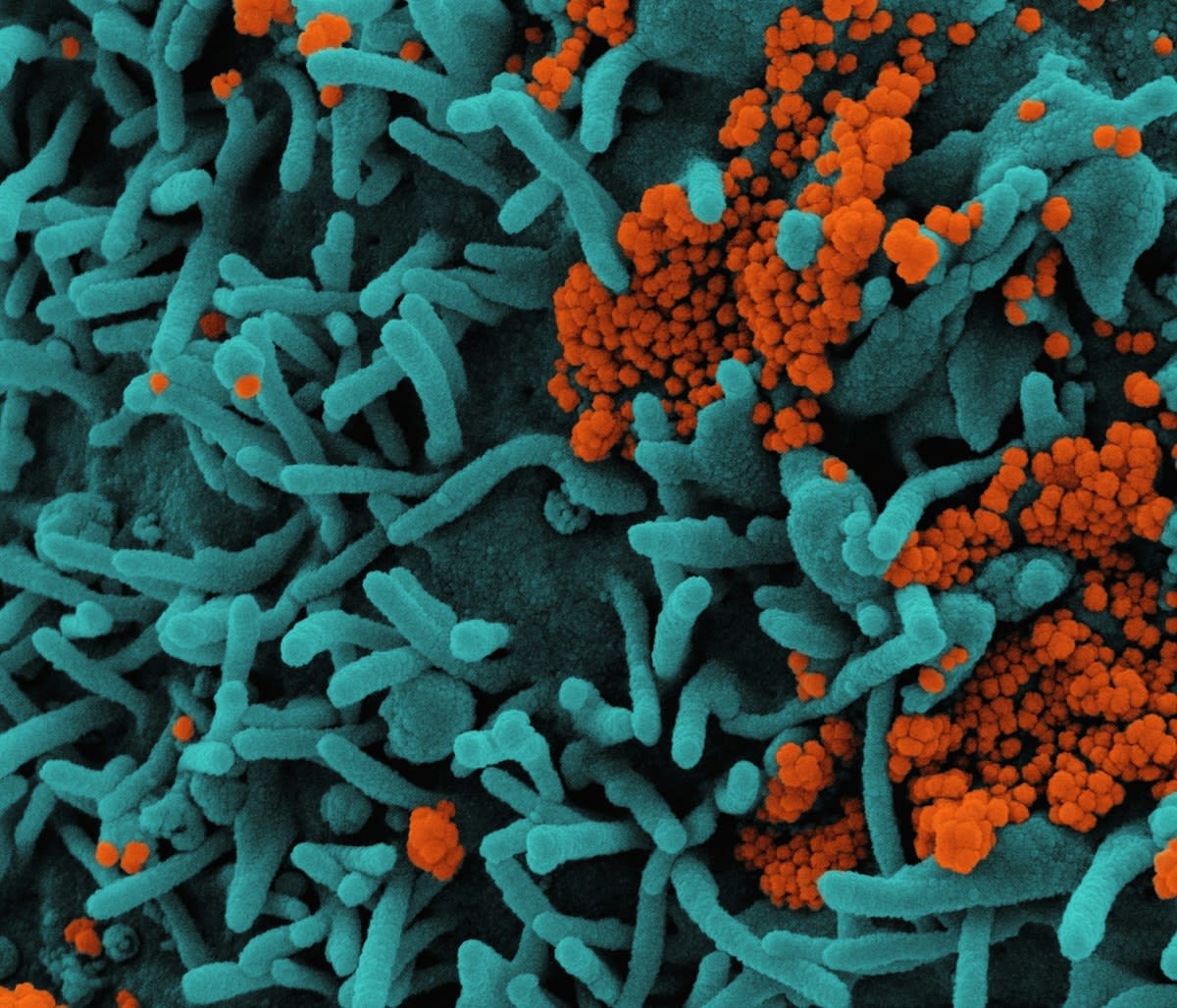
The stakes are highest with carbapenem-resistant hypervirulent Klebsiella pneumoniae (CR-hvKP). This particular pathogen has evolved to resist colistin and aminoglycosides, the very drugs usually reserved as the last line of defense. Recent research has identified a novel bacteriophage, vBKpnDA2, which is capable of efficiently lysing these multi-drug-resistant strains. When chemical options fail and toxicity risks from high-dose antibiotics become too great, these viral predators provide the only viable pathway for survival.
"The emergence of carbapenem-resistant hypervirulent K. pneumoniae has aggravated the predicament of clinical therapy, creating an urgent requirement for novel antimicrobial agents."— Frontiers in Microbiology
This shift requires us to rethink the very nature of a 'drug'. A traditional antibiotic is a static molecule. A phage is a living, evolving entity. This biological fluidity allows phages to adapt as bacteria mutate, effectively engaging in an evolutionary arms race on behalf of the patient. The systemic advantage here is clear: we are no longer fighting a war of attrition with chemicals, but employing a dynamic biological system that scales its efficacy in real-time.
The Silicon-Biological Convergence
The historical failure of phage therapy to reach mainstream adoption was rooted in the 'matching problem'. Finding the right phage for a specific infection was a manual, painstaking process of trial and error. AI has fundamentally broken this bottleneck. We are now seeing the transition from 'hunting' for phages in nature to 'designing' them in silicon. The ability to engineer functional viral genomes from scratch is transforming the speed of deployment from months to days.
Recent breakthroughs in AI-designed viral genomes demonstrate the terrifying efficiency of this approach. In recent tests, researchers successfully designed functional viral genomes from scratch, with 16 of them proving effective in practice. More impressively, some of these AI-generated variants exhibited replication advantages of up to 65 times over their natural templates. This is not just an incremental improvement; it is a quantum leap in potency.
Replication Efficiency: AI-Designed vs. Natural Phages
Executive Insight
+18.4%
YTD Growth
By using AI to create 'cocktails' of these synthetic phages, clinicians can target multiple bacterial strains simultaneously, preventing the bacteria from developing resistance to the phage itself. This convergence of synthetic biology and machine learning means that the 'personalized' aspect of medicine is finally moving beyond oncology and into the realm of infectious disease. We are moving toward a future where your specific infection is sequenced, and a custom viral predator is printed to kill it.
Global Infrastructure and Strategic Alliances
The transition to a post-antibiotic world is not just a scientific challenge; it is a geopolitical and logistical one. The fragmentation of drug development is being replaced by strategic, cross-border partnerships. A prime example is the collaboration between Shionogi & Co. Ltd. of Japan, the Global Antibiotic Research and Development Partnership (GARDP) in Switzerland, and the US-based Clinton Health Access Initiative (CHAI). These alliances are designed to bypass the traditional profit-driven pharmaceutical model to ensure global access to next-generation antimicrobials.
| Feature | Traditional Antibiotics | Bacteriophage Therapy |
|---|---|---|
| Targeting | Broad-spectrum (hits good and bad bacteria) | Hyper-specific (targets single strain) |
| Adaptability | Static (bacteria evolve resistance) | Dynamic (phages co-evolve with bacteria) |
| Development Speed | Years of chemical synthesis/testing | Rapid AI-driven genomic design |
| Side Effects | High toxicity, microbiome disruption | Low toxicity, preserves microbiome |
| Delivery | Oral/IV standard | Nebulizers, IV, Personalized Cocktails |
Parallel to the biological pivot is a digital one. The integration of telehealth and remote patient monitoring is changing how we manage hospital-acquired infections. By leveraging telemedicine, providers can monitor the progress of a phage therapy in real-time, adjusting the 'cocktail' composition based on the patient's response. This creates a feedback loop that was impossible in the era of the standard pill bottle.

Why does this matter now? Because the systemic risk has become too high to ignore. The rise of CR-hvKP and other pan-resistant bacteria means that the 'safety net' of modern surgery and chemotherapy is fraying. The pivot to viral predators is not a desperate last resort; it is a strategic upgrade. We are replacing a clumsy, failing tool with a sophisticated, scalable biological system.
The regulatory landscape is finally catching up. The FDA's willingness to clear trials for combination products—such as inhalation devices paired with specific phages—shows a shift in how the government views 'medicine'. We are moving away from the approval of a single molecule and toward the approval of a platform. The platform is the phage; the 'drug' is the specific sequence used to target the patient's infection.
Ultimately, the post-antibiotic pivot is about resilience. By embracing the very viruses we once feared, we are building a healthcare system that is as adaptive as the pathogens it fights. The era of the wonder drug is over, and the era of the engineered predator has begun. This is not a crisis to be managed, but an opportunity to redefine the limits of human longevity and medical precision.