
Biosecurity is often discussed as a matter of high-containment labs and frontier AI guardrails, but the most dangerous vulnerabilities are far more mundane. In the intersection of industrial farming and aquaculture, a silent exchange of genetic material is occurring. When untreated poultry waste is sold directly into aquaculture systems, it does not just move nitrogen and phosphorus; it transports a concentrated payload of antibiotic-resistant bacteria. This is not a localized failure but a structural blindness to how pathogens migrate through the food chain.
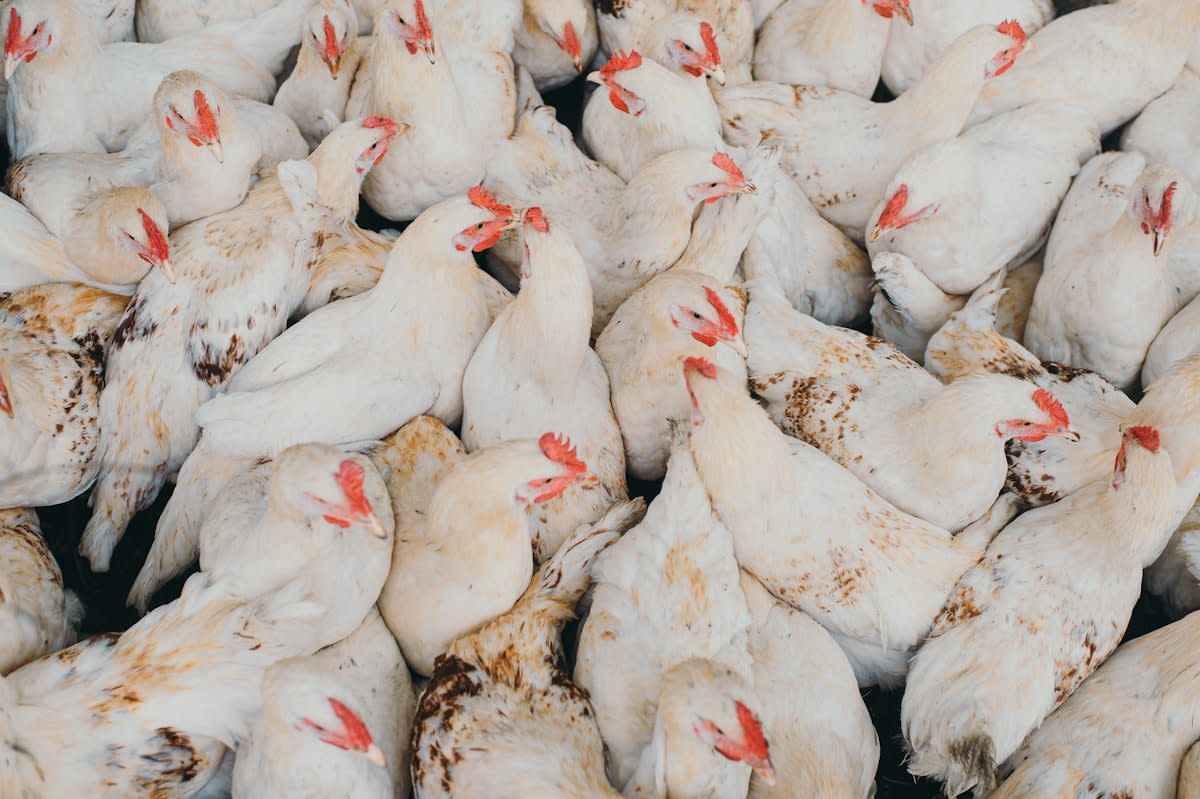
The data from recent field surveys of commercial poultry farms reveals a staggering lack of basic containment. Approximately 90% of farmers practice no litter treatment whatsoever, leaving a biological open door for pathogens to propagate. Even more concerning is the cognitive gap: 80% of these operators lack any meaningful awareness of antimicrobial resistance (AMR). When the people managing the primary vectors of transmission are unaware of the risk, the entire biosecurity apparatus becomes a performance rather than a protection.
The Molecular Math of Resistance
The biological cost of this negligence is quantifiable. Molecular analysis of 192 litter samples shows a 72.4% prevalence of E. coli, but the prevalence is less alarming than the resistance profiles. The Multiple Antibiotic Resistance (MAR) indices peaked at 0.90, a figure that indicates an extreme capacity for the bacteria to survive standard medical interventions. This is not a random occurrence but a result of selective pressure applied in an environment with zero oversight.
| Metric | Observed Value | Systemic Implication |
|---|---|---|
| E. coli Prevalence | 72.4% | Widespread baseline contamination |
| Litter Treatment Rate | 10% | Near-total absence of mitigation |
| AMR Awareness | 20% | Critical knowledge gap in farm management |
| Peak MAR Index | 0.90 | Extreme multi-drug resistance levels |
| Waste to Aquaculture | 70% | Direct pathway to human food chains |
The most chilling aspect of this data is the co-resistance patterns. A strong correlation exists between imipenem and tetracycline (phi = 0.65), as well as between cefotaxime and ceftazidime (phi = 0.58). These are not just separate resistances; they are bundled. When a bacterium develops resistance to one of these critical drugs, it is statistically likely to be resistant to the other, effectively neutralizing entire classes of antibiotics in a single evolutionary leap. Why are we surprised when the drugs of last resort stop working?
"Veterinary supervision deficits are the primary driver of extensively drug-resistant (XDR) transmission, turning commercial farms into evolutionary accelerators for pathogens."— Nature Research Analysis
The statistical significance of this supervision deficit is undeniable, with a P-value of less than 0.0001. This confirms that the emergence of XDR strains is not an inevitable biological accident but a direct consequence of human failure. The absence of veterinary oversight allows for the indiscriminate use of antibiotics, which in turn grooms the bacterial population for maximum resilience. We are effectively paying for cheap protein with the currency of future medical efficacy.
This agricultural failure creates a ripple effect that extends far beyond the farm gate. When 70% of untreated waste is sold to aquaculture, the biosecurity boundary between land and water vanishes. The bacteria transition from poultry litter to fish ponds and eventually to human consumers. This creates a hidden, distributed risk that does not appear on any government dashboard until a patient in a hospital presents with an untreatable infection.
These biological failures mirror the structural failures seen in physical infrastructure. Consider the 2018 collapse of the Morandi highway bridge in Genoa, Italy, which killed 43 people. That disaster was not caused by a single freak event but by deep, systemic failures in maintenance over years. Biosecurity failures in poultry waste are the biological equivalent of ignoring cracks in a bridge pillar; the collapse is inevitable, but the timing is unpredictable.
The Asymmetry of Response
In response to these threats, the industry is pivoting toward high-technology solutions that often ignore the root cause. Google DeepMind recently unveiled a bioresilience program designed to help governments detect and respond to biological threats using frontier AI. While the ambition is laudable, there is a profound asymmetry between using AI to detect a pathogen and the reality of a farmer selling untreated waste to a fish pond. One is a sophisticated shield; the other is a wide-open door.
Demis Hassabis has called for a more systematic approach to AI regulation, suggesting a standards body funded by the industry and staffed by technical experts. This desire for rigorous testing and guardrails is essential for AI safety, but it highlights a strange contradiction. We are building complex, expert-led regulatory frameworks for software while the actual biological vectors in our food supply remain governed by a total lack of veterinary supervision.
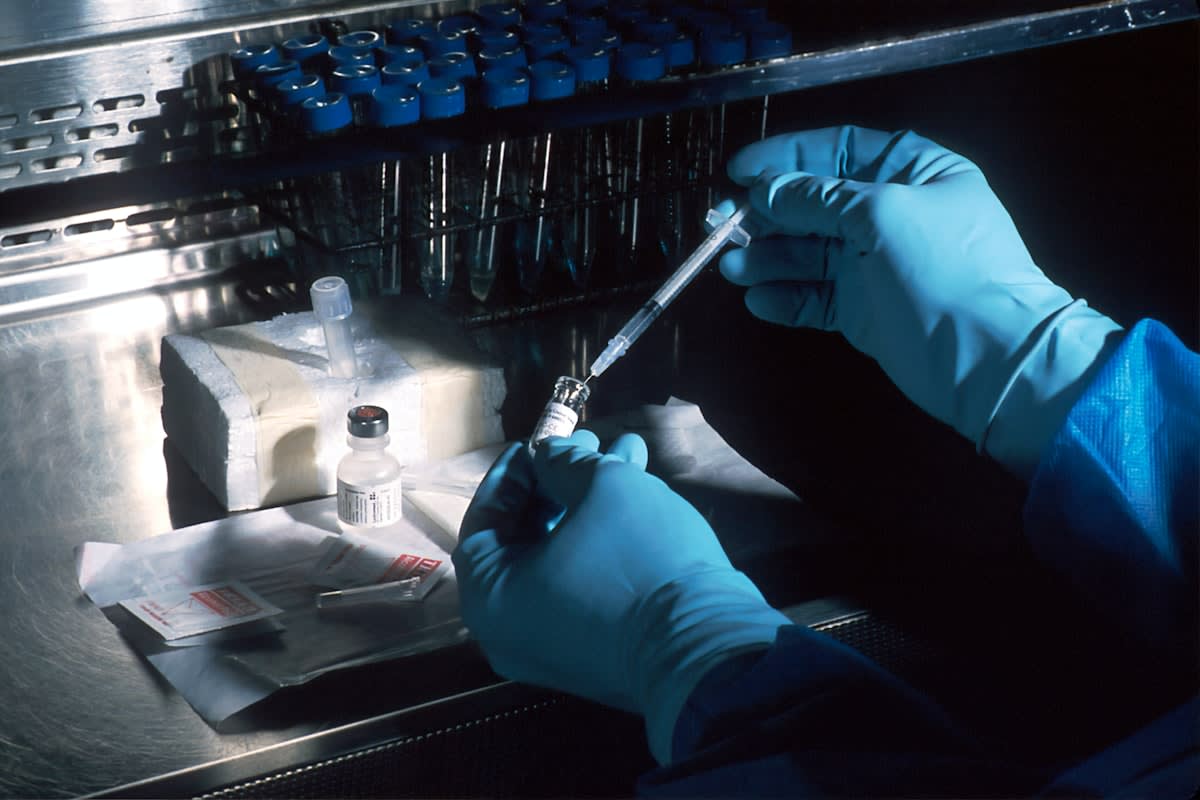
Even the technical solutions to these failures are focused on mitigation rather than prevention. The use of silver nanoparticle-hydrogen peroxide (AgNPs-H2O2) composites has shown success in mitigating the dissemination of resistant E. coli. While this is a potent tool, it is a reactive measure. It treats the symptom—the resistant bacteria—without addressing the cause: the 90% of farms that refuse to treat their litter.
The psychological dimension of this failure is equally concerning. In the United States, communities in Pennsylvania facing repeated flash floods have entered a state of disaster fatigue. This fraying of social and governmental networks happens when the frequency of crisis outpaces the capacity for recovery. A similar fatigue is settling into the global health community regarding AMR. When the threat is invisible and the failures are distributed across millions of small farms, the urgency dissipates.
The Detection Paradox
The danger lies in the gap between our detection capabilities (AI) and our prevention capabilities (veterinary oversight). We are becoming experts at watching the collapse in real-time while remaining unable to stop the cracks from forming.
If we continue to rely on frontier AI to catch the next outbreak while ignoring the basic hygiene of agricultural waste, we are simply optimizing our disaster response. The real risk is not a laboratory leak or a synthetic pathogen, but the slow, steady accumulation of resistance in the wild. The poultry waste loop is a perfect example of how a failure in a low-tech sector creates a high-stakes risk for the entire global population.
Ultimately, biosecurity is only as strong as its weakest link. Whether it is the maintenance of a bridge in Italy or the treatment of poultry litter on a commercial farm, the pattern is the same: a disregard for routine maintenance leads to catastrophic failure. The solution is not more AI, but a return to the fundamentals of veterinary supervision and waste management. Until the 80% of farmers who are unaware of AMR are brought into the fold, the most advanced bioresilience programs in the world will be fighting a losing battle.