Prerequisites for Animal-Free Protein Production
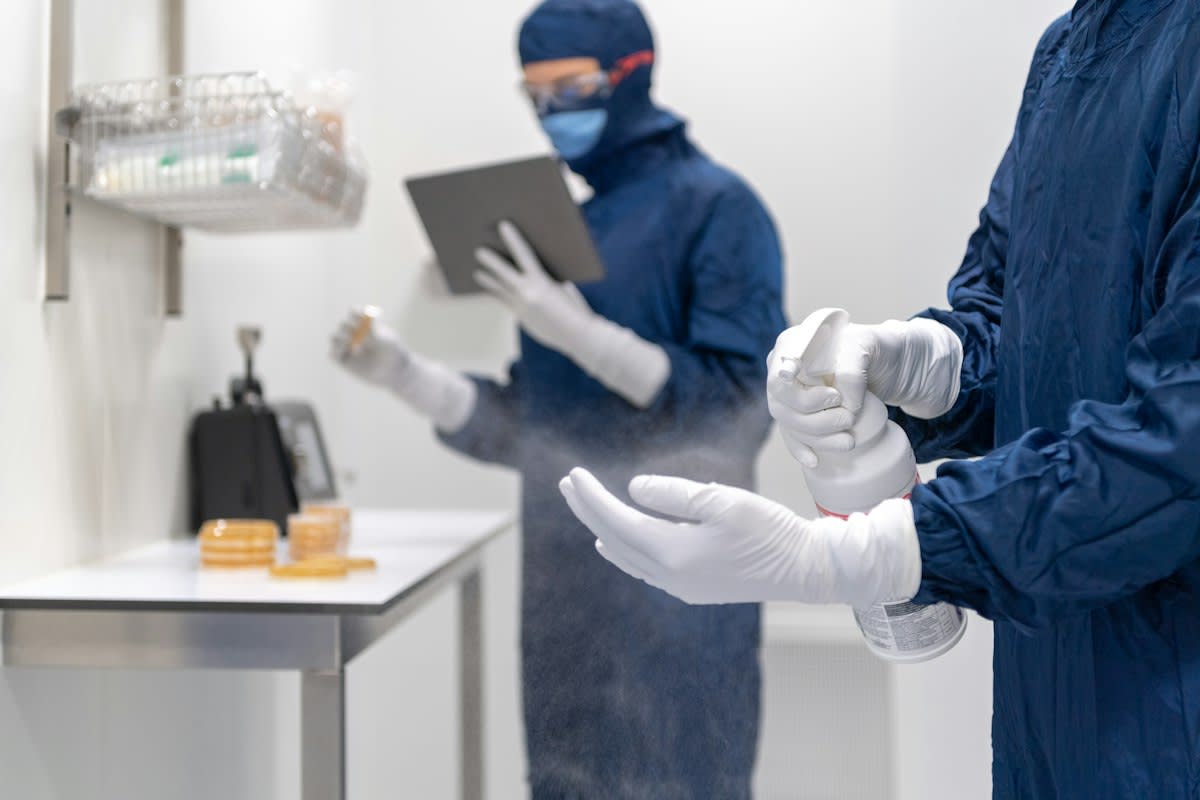
Bio-reactors replace cows. 0.5% (v/v) alcohol limits define non-alcoholic beverages in Denmark (Source: MDPI, 2026). To initiate precision fermentation, a facility requires specific biological agents and industrial hardware. Operators must secure genetically coded microorganisms, specifically the Trichoderma reesei fungus or Komagataella phaffii yeast. These microbes act as the biological factories. They require bovine DNA sequences to be inserted into their genetic code to produce real dairy proteins without an animal. The environment must be sterile, copper-scented, and concrete-raw to prevent contamination of the recombinant strains.
Feedstock is the second essential requirement. Microbes require high-purity sugar to fuel the secretion of proteins. Without a consistent carbon source, the fermentation vats cannot maintain the necessary metabolic rate for industrial output. Large-scale industrial fermentation vats are necessary to house these microbes. These vats must be capable of maintaining precise temperature and pH levels to ensure the stability of the recombinant bovine beta-lactoglobulin. The infrastructure is often rust-pitted in older facilities but must be upgraded to medical-grade stainless steel for FDA compliance.
Step-by-Step Production Process
- Sequence bovine DNA for beta-lactoglobulin (whey) and casein proteins.
- Insert these sequences into Trichoderma reesei fungus or Komagataella phaffii yeast.
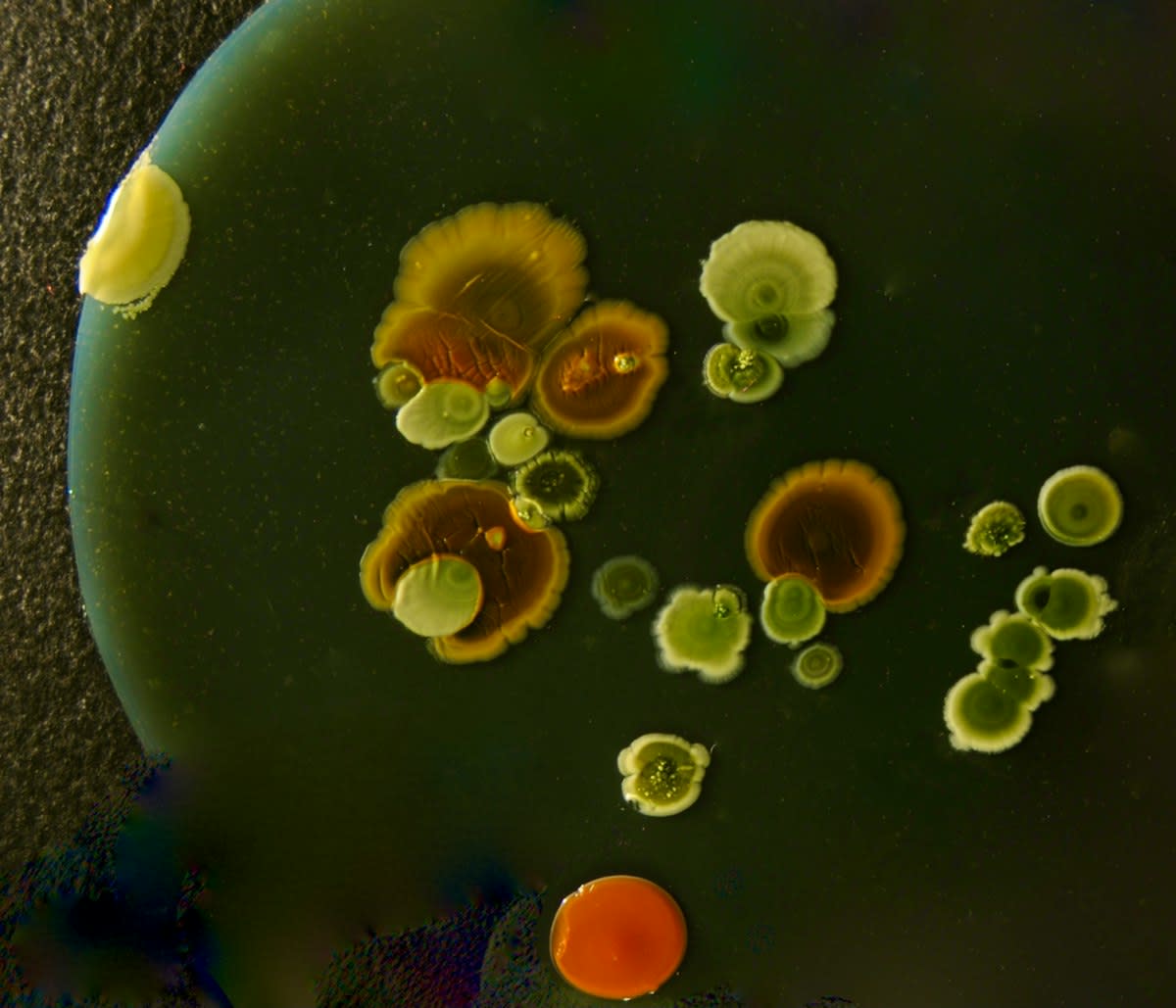
- Inoculate industrial fermentation vats with the genetically coded microbes.
- Feed the microbes sugar substrates to trigger protein secretion.
- Harvest the recombinant proteins from the fermentation broth.
- Purify the proteins for use in cream cheese, shreds, or milk alternatives.
The secretion phase is where the chemistry becomes intricate. When the microbes consume sugar, they follow the inserted bovine instructions to produce proteins that are genetically identical to those from a cow. This process allows companies like Perfect Day to produce tons of recombinant proteins (Source: AJ Koby, 2020). These proteins are then sold to food processors who blend them into consumer products. The resulting food is technically dairy-free because no animal was involved, yet it contains real dairy proteins. This creates a regulatory loop that challenges traditional labeling laws.
From a practitioner's perspective, the friction is constant. In the labs of the Nordic corridor, engineers argue over the stability of the protein folds while traditional dairy farmers fight the recombinant label in public forums. It is a war of terminology played out in sulfur-thick air and sterile corridors. There is a real tension between the speed of biotech innovation and the slow pace of consumer acceptance. Many technicians describe the process as a constant battle against microbial drift, where the fungus may stop producing the protein if the environment is not perfectly tuned.
"In the days and weeks of the summer 2026 heatwaves, the decrease of the solid content in milk was at a detectable size."— Alexander Anton, Secretary General of the European Whey Processors Association
Climate volatility accelerates the move toward these synthetic alternatives. Heat stress significantly impacts the yield and quality of traditional livestock milk (Source: FoodNavigator, 2026). When animals suffer from extreme heat, the protein and fat content of their milk drops. This was observed during the intensive heatwaves that hit Europe in 2026. Because precision fermentation occurs in controlled indoor vats, it is immune to these weather patterns. This makes the recombinant method a more stable supply chain option for the European market.
| Market Segment | Application | Key Focus |
|---|---|---|
| Personalized Fermented Proteins | Sports Nutrition | Customized amino acid profiles |
| Precision Fermented Dairy Alternatives | Functional Foods | Animal-free casein and whey |
| Fermented Nutraceuticals | Clinical Nutrition | Bioactive compound delivery |
| Customized Functional Ingredients | Dietary Supplements | Targeted nutrient delivery |
Regional hubs are diversifying the application of these proteins. Europe, specifically Denmark and the Nordic countries, maintains a strong biotechnology and food-science ecosystem (Source: HTF Market Intelligence, 2026). These regions prioritize traceable production and animal-free nutrition. Meanwhile, the demand for functional dairy is expanding into Asia. In hubs like Mumbai and Jakarta, where generic GLP-1 drugs are being produced, there is a growing interest in companion foods (Source: FoodNavigator, 2026). This includes functional dairy products designed to work alongside metabolic medications.
China's Mengniu is already preparing for this metabolic era. They are introducing the patented LC19 probiotic into dairy products to naturally aid the stimulation of GLP-1 secretion in the body (Source: FoodNavigator, 2026). This represents a move toward personalized nutrition where dairy is no longer just a calorie source but a delivery vehicle for bioactive compounds. The blending of probiotics with precision-fermented proteins could create a new category of hyper-functional milk. This approach targets the specific needs of patients using GLP-1 drugs to manage weight or diabetes.
Failure Points and Technical Risks
Protein degradation remains a primary failure point in non-dairy fermentation. In studies using Milk Kefir Grains (MKG) with orange juice substrates, protein concentrations declined from 6.00 ± 0.11 g/L to 2.46 ± 0.02 g/L by the end of the incubation period (Source: MDPI, 2026). This reduction is caused by microbial proteolysis and acid-induced denaturation. When LAB (Lactic Acid Bacteria) activity increases, the proteins break down, reducing the nutritional value of the final beverage. This instability makes it difficult to maintain consistent protein levels in fermented non-dairy alternatives.
Regulatory hurdles also present a significant risk. While the FDA issued GRAS Notice No. GRN 000863 in 2020 for recombinant bovine beta-lactoglobulin produced by Trichoderma reesei, other jurisdictions are slower (Source: AJ Koby, 2020). In the EU, strict rules regarding alcohol content in non-alcoholic beverages—such as the 0.5% (v/v) limit in Denmark and Ireland—can be accidentally exceeded during fermentation (Source: MDPI, 2026). A beverage that exceeds 1.2% (v/v) alcohol must declare its strength under EU Regulation No 1169/2011, which can alienate the non-alcoholic target market.
Common Pitfalls in Implementation
- Overlooking the protein loss during microbial proteolysis in kefir-like systems.
- Failing to monitor alcohol thresholds (0.5% v/v) in Nordic jurisdictions.
- Ignoring the impact of heat stress on traditional milk solids when calculating the cost-benefit of synthetic alternatives.
- Using insufficient sugar substrates, leading to low protein secretion rates in the vats.
- Neglecting the regulatory differences between FDA GRAS notices and EU beverage labeling laws.
Editorial Note
The use of recombinant proteins allows for the creation of real dairy products without animals, but the industry faces a struggle with consumer transparency. Many products are marketed as dairy-free while containing proteins genetically identical to bovine milk, creating a gray area in food labeling.
Fact-Check & Accuracy Note
All data regarding protein degradation (6.00 g/L to 2.46 g/L) and alcohol limits (0.5% and 1.2% v/v) are sourced from MDPI (2026). FDA GRAS Notice GRN 000863 (2020) confirms the safety of recombinant bovine beta-lactoglobulin. Climate data regarding 2026 heatwaves is attributed to FoodNavigator (2026) and the European Whey Processors Association.