
Why do we wait for the engine to smoke before checking the oil? For a century, modern medicine has operated on this exact fallacy. We treat the human body like a black box, opening it only when a symptom becomes unbearable or during a once-a-year checkup that captures a mere heartbeat of our biological existence. This is reactive medicine: a system designed to manage sickness rather than cultivate health. But the wind has shifted. We are witnessing the emergence of the Precision Health Stack, a sophisticated layer of integrated technology that transforms biological signals into actionable data in real time.
Twelve months ago, the conversation around wearables centered on 'wellness'—counting steps, tracking sleep cycles, or monitoring heart rate during a jog. Today, that narrative has evolved into 'clinical precision.' The delta is staggering. We have moved from general activity tracking to the monitoring of specific, high-impact biomarkers like interstitial glucose, lactate levels, and heart rate variability (HRV). This shift represents the transition from a cinema of health—where we see a movie of our life after the fact—to a live broadcast, allowing for interventions before the pathology even begins.
The Hardware Layer: From Gadgets to Medical Grade Sensors
At the base of the stack lies the hardware. Continuous Glucose Monitors (CGMs), once the exclusive domain of Type 1 diabetics, have broken into the mainstream. In hubs from San Francisco to Dubai, high-performers and health-conscious individuals are using these sensors to map their unique glycemic responses to specific foods. They discovered that a 'healthy' bowl of oatmeal might spike one person's blood sugar while leaving another untouched. This realization destroys the myth of the universal diet and replaces it with an N-of-1 experimental model.
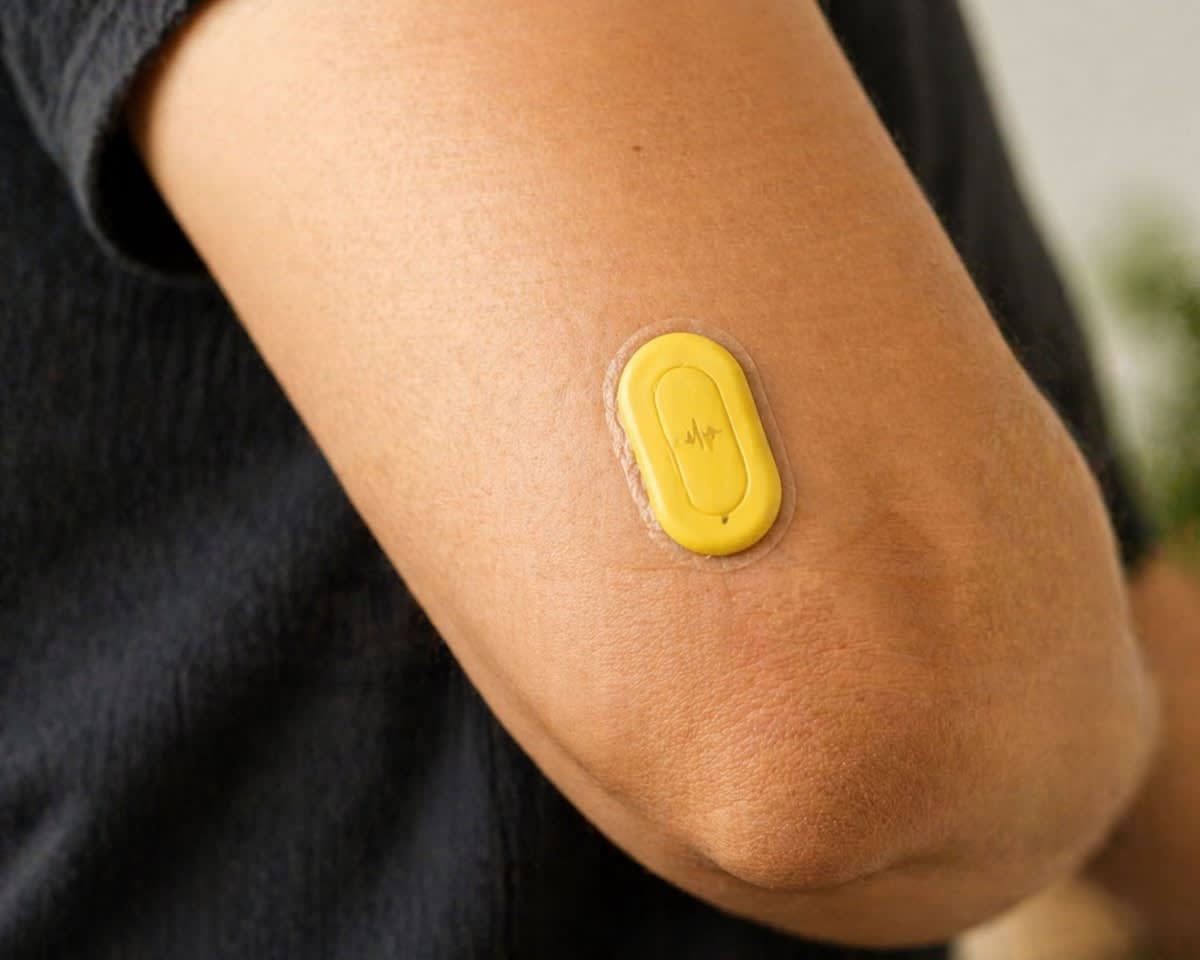
Beyond glucose, we see the rise of advanced rings and wrist-worn devices that track HRV and resting heart rate with surgical precision. These aren't just toys; they are early warning systems. A sudden drop in HRV often signals systemic stress or an impending viral infection days before a fever manifests. By monitoring the autonomic nervous system, users in cities like Singapore and London are now optimizing their training and work schedules based on their actual recovery state rather than a rigid calendar.
The hardware layer is expanding further into the realm of epigenetic clocks and liquid biopsies. We are seeing the integration of quarterly blood panels that track inflammation markers like hs-CRP and metabolic health indicators like ApoB. When these periodic deep-dives are layered over the continuous data from wearables, the result is a high-resolution map of human biology. The precision is no longer about the average patient; it is about the specific biological reality of the individual.
Hardware provides the raw signal, but signal without interpretation is just noise.
The Intelligence Layer: Turning Noise into Signal
The true power of the Precision Health Stack emerges when AI intersects with biomarker data. Raw data—a glucose reading of 140 mg/dL or a sleep score of 62—means nothing in isolation. The intelligence layer analyzes these data points against a baseline of thousands of other hours of the user's own history. It identifies patterns that a human physician, seeing a patient for fifteen minutes every six months, would inevitably miss. AI now flags the subtle correlation between a late-night meal and a subsequent dip in cognitive performance the following morning.
"We are moving from a world of population-based guidelines to a world of individual-based evidence. The 'average' patient is a statistical ghost; they do not exist in reality."— Industry Analyst on Precision Medicine
This analytical shift is particularly evident in the rise of 'Bio-Optimization' clinics in Switzerland and the UAE. These centers don't treat disease; they optimize function. They use the data stack to tune hormones, adjust micronutrient intake, and refine sleep hygiene. By treating the body as a dynamic system rather than a collection of static organs, they are extending the 'healthspan'—the period of life spent in peak physical and mental condition—rather than just the lifespan.
| Feature | Reactive Medicine (Traditional) | Precision Health Stack (Modern) |
|---|---|---|
| Data Frequency | Episodic (Annual/Bi-annual) | Continuous (Real-time) |
| Diagnostic Approach | Symptom-based | Biomarker-based |
| Treatment Goal | Disease Management | Optimal Performance |
| Patient Role | Passive Recipient | Active Operator |
As the technology matures, the impact ripples outward from the individual to the systemic level of global healthcare.
Global Adoption and Systemic Friction
The adoption of this stack varies wildly by region, reflecting different cultural attitudes toward data and health. In Singapore, the government's 'Smart Nation' initiative has paved the way for integrated health tracking, viewing proactive wellness as a matter of national security and economic stability. In contrast, the United States sees a fragmented, consumer-led explosion of biohacking, where individuals pay out-of-pocket for a level of monitoring that the insurance industry is not yet equipped to subsidize.
Europe presents a different challenge: the tension between precision and privacy. While the technology exists, strict GDPR regulations make the aggregation of real-time biomarker data more complex. However, this friction is forcing the development of more secure, decentralized data ownership models. We are seeing the rise of 'Health Wallets' where the individual, not the hospital, owns the encrypted keys to their biological data.
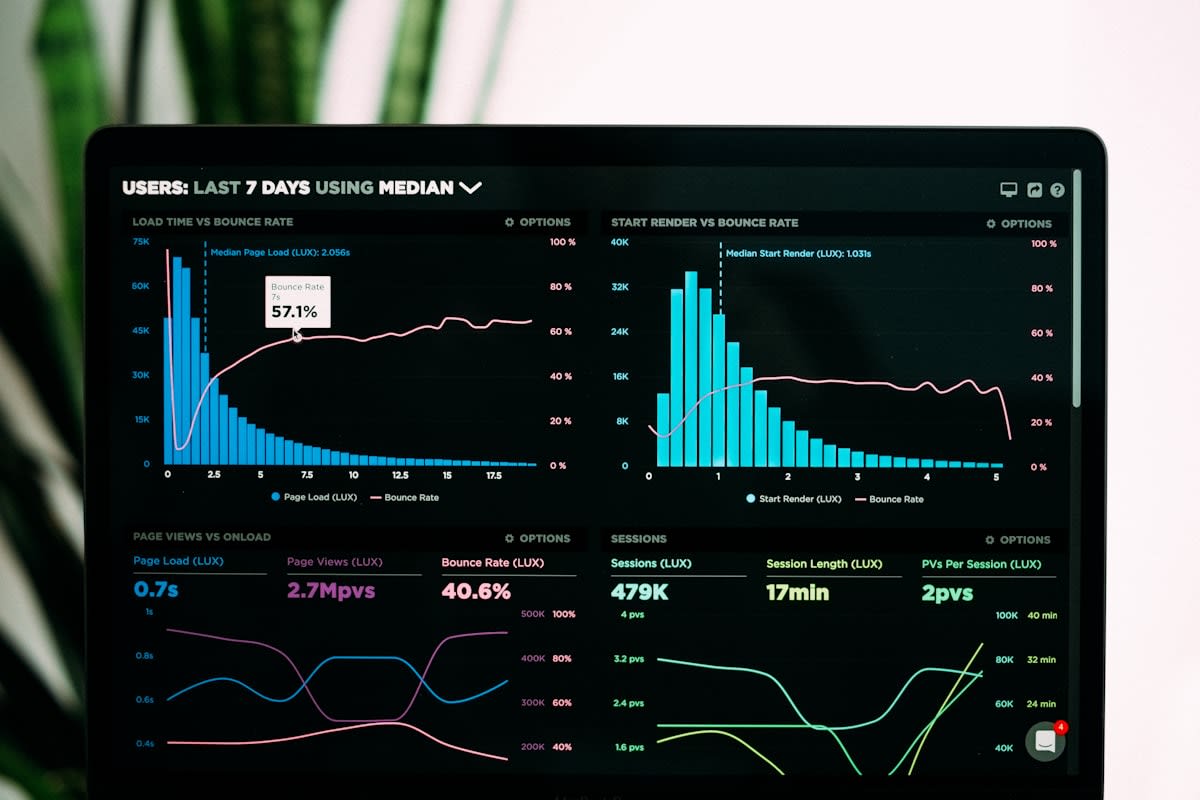
But this shift is not without its psychological costs. The 'quantified self' movement risks turning health into a source of anxiety. When every meal and every hour of sleep is graded, the line between optimization and obsession blurs. The challenge for the next generation of the Precision Health Stack is to provide 'invisible' monitoring—sensors that work in the background and only alert the user when a critical threshold is crossed, rather than providing a constant stream of stressful metrics.
Economically, the stakes are massive. The global wearable health market is seeing a compound annual growth rate (CAGR) exceeding 15%, but the real value lies in the reduction of chronic disease costs. If a CGM can prevent a pre-diabetic patient from crossing the threshold into Type 2 diabetes, the lifetime savings to the healthcare system are measured in hundreds of thousands of dollars. The financial incentive for insurance companies to move toward the Precision Health Stack is becoming undeniable.
The Path Forward: From Patient to Operator
We are entering the era of the 'Human Operator.' In this new paradigm, the individual is no longer a passive patient waiting for a diagnosis. They are the pilot of their own biology. By leveraging the Precision Health Stack, they can iterate on their lifestyle in real time, treating their body as a series of experiments. This empowers the individual and shifts the role of the doctor from a diagnostic authority to a high-level strategist and coach.
The transition will be messy. Legacy healthcare systems are built on billing codes for sickness, not rewards for wellness. However, the momentum of the Precision Health Stack is an unstoppable force. As sensors become smaller, less invasive, and more accurate, the gap between our internal biological state and our external awareness will vanish. The annual physical will eventually be viewed as a quaint relic of a time when we were blind to our own bodies.
The Core Shift
The transition to precision health is not just about better gadgets; it is about a fundamental shift in the philosophy of medicine—from treating the average to optimizing the individual.