
Prerequisites for Metabolic Stabilization
Effective management of chronic metabolic syndrome requires a departure from the legacy reliance on HbA1c, which provides a retrospective average rather than a real-time snapshot of glycemic volatility. To implement a modern variability protocol, practitioners must establish a diagnostic stack that captures the intersection of glucose and ketone levels. This shift allows for the identification of metabolic dysfunction before it manifests as full-scale cardiovascular disease or neurodegeneration. Why continue to rely on a three-month average when finger-prick biomarkers can provide immediate actionable data?
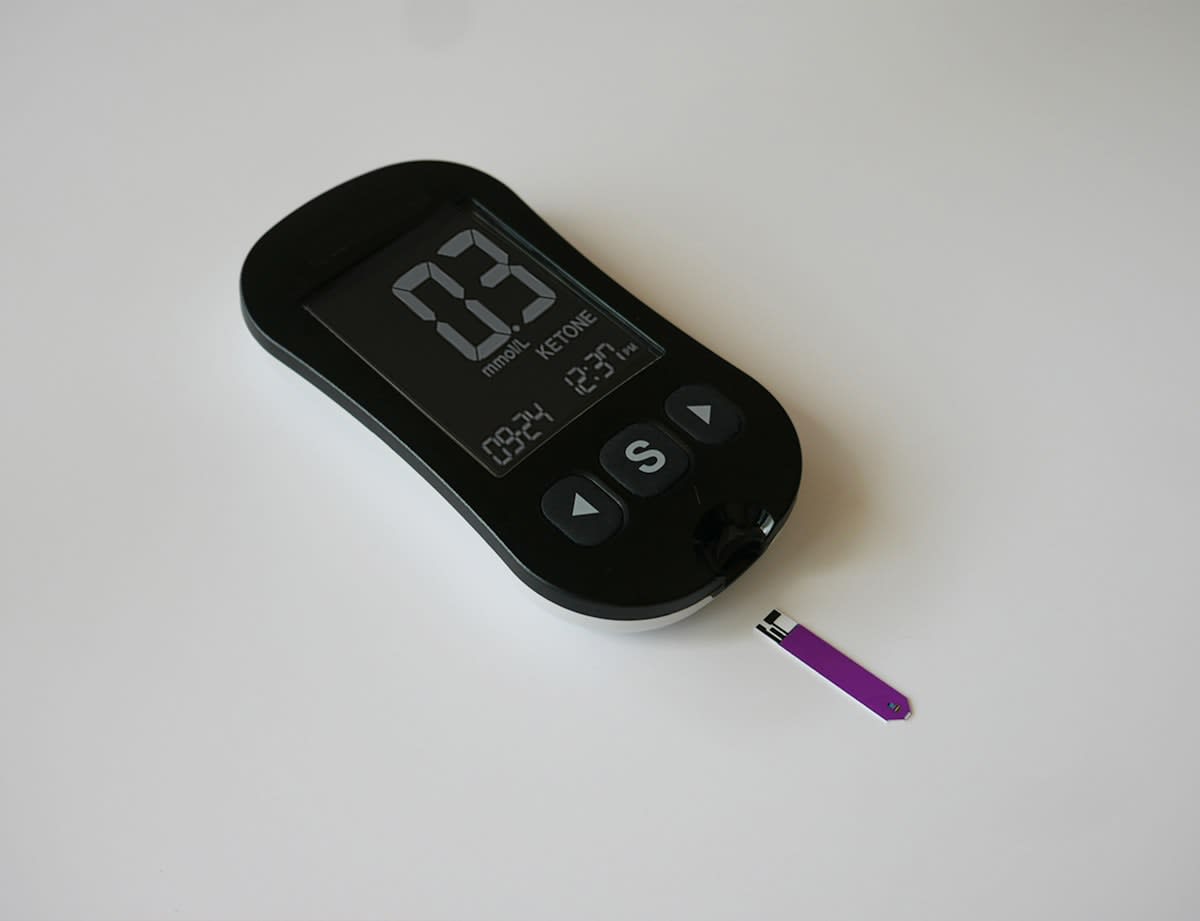
- Glucose Ketone Index (GKI) finger-prick testing kits
- Access to GLP-1 receptor agonists via clinical infrastructure (e.g., Medicare GLP-1 Bridge programs)
- Amino acid tracking tools to monitor methionine intake
- Virtual care platforms capable of automating prior authorizations and licensing compliance
- Continuous glucose monitoring (CGM) integration for baseline variability mapping
Establishing the GKI Baseline
The Glucose Ketone Index (GKI) serves as the primary biomarker for tracking the metabolic dysfunction underlying obesity and type 2 diabetes. Unlike simple glucose monitoring, the GKI provides a ratio that reflects the body's actual metabolic state, offering a more nuanced view of how a patient is processing fuel. According to data from the American Nutrition Association, this biomarker is essential for managing conditions projected to dominate the global disease burden. By quantifying the relationship between glucose and ketones, clinicians can pinpoint the exact threshold where metabolic flexibility is lost.
- Perform an initial fasting finger-prick test to determine baseline glucose and ketone levels.
- Calculate the GKI ratio to categorize the patient's current metabolic zone (e.g., glucose-dominant vs. ketone-dominant).
- Map GKI fluctuations against dietary triggers over a 14-day period to identify specific glycemic spikes.
- Establish a target GKI range tailored to the patient's specific comorbidities, such as cardiovascular risk or neurodegenerative markers.
- Audit the GKI weekly to adjust caloric or pharmaceutical interventions in real-time.
Optimizing GLP-1 Response Pathways
Stabilizing glycemic variability requires a dual-track approach to GLP-1 modulation: pharmaceutical intervention and natural endogenous stimulation. The scale of pharmaceutical deployment has accelerated rapidly, with infrastructure like Wheel Horizon facilitating 300,000 branded GLP-1 encounters in the first half of 2026. This includes significant penetration into the 60-plus demographic, where over 50,000 adults have accessed weight management programming through expanded Medicare capabilities. The ability to automate administrative overhead—such as state-by-state licensing and payment adjudication—has moved GLP-1 therapy from a luxury to a point-of-care standard.
Endogenous vs. Exogenous GLP-1
While pharmaceutical GLP-1s provide immediate glycemic control, long-term stability is augmented by dietary triggers that increase natural GLP-1 production, reducing the risk of pharmaceutical dependency.
For patients seeking to boost natural GLP-1 levels, the longevity diet offers a technical alternative to traditional ketogenic or Western patterns. This specific meal plan emphasizes low-amino-acid intake combined with high-carbohydrate and relatively high-fat foods. Crucially, the supplementation of methionine—an essential amino acid—has been shown to be the most effective method for reducing fat mass and frailty while simultaneously improving cardiometabolic markers. This contrast is stark when compared to the Western diet, which typically exacerbates the very variability these protocols seek to eliminate.
| Dietary Approach | Core Composition | Primary Metabolic Outcome |
|---|---|---|
| Western Diet | High processed sugars and fats | Increased fat mass and frailty |
| Keto Diet | High unsaturated fats, low carb | Variable GLP-1 response |
| Longevity Diet | Low-amino-acid, high-carb/fat + Methionine | Increased natural GLP-1, reduced fat |
Caloric Modulation and Systemic Stability
The final layer of the protocol involves the strategic application of moderate calorie restriction. As noted by integrative medicine experts like Dr. Josh Reilly, the body responds more favorably to small, steady changes in calorie intake than to aggressive, unsustainable deficits. This gradual approach allows the cellular environment to adapt, supporting more stable weight management and reducing systemic inflammation. When combined with GKI tracking, moderate restriction prevents the extreme glycemic dips that often trigger compensatory overeating and subsequent spikes.
Does the traditional calorie-counting model fail because it ignores the quality of the amino acids involved? The evidence suggests yes. By focusing on the specific interaction between calorie restriction and amino acid profiles—specifically the methionine-supplemented low-amino-acid approach—practitioners can maintain muscle mass (reducing frailty) while forcing the body to optimize its glucose utilization. This creates a resilient metabolic state that can withstand minor dietary deviations without triggering a systemic glycemic crisis.

Common Pitfalls in Implementation
- Over-reliance on pharmaceutical GLP-1s without integrating dietary GKI tracking, leading to muscle loss.
- Implementing aggressive calorie restriction that triggers metabolic adaptation and slows weight loss.
- Ignoring the methionine requirement in low-amino-acid diets, which can increase frailty in older adults.
- Using HbA1c as the sole metric for success instead of monitoring real-time glycemic variability via GKI.
- Failure to utilize virtual infrastructure for prior authorizations, delaying critical GLP-1 access for high-risk Medicare patients.