
The Death of the Average Eater
The food pyramid is dead. For half a century, global health authorities relied on static charts to tell us how to fuel our bodies, ignoring the chaotic reality of human biology. It was a convenient lie designed for a theoretical average human who does not actually exist. We are now witnessing the collapse of this paradigm. The shift is not subtle; it is a total migration from population-based guidelines to individual-based prescriptions.
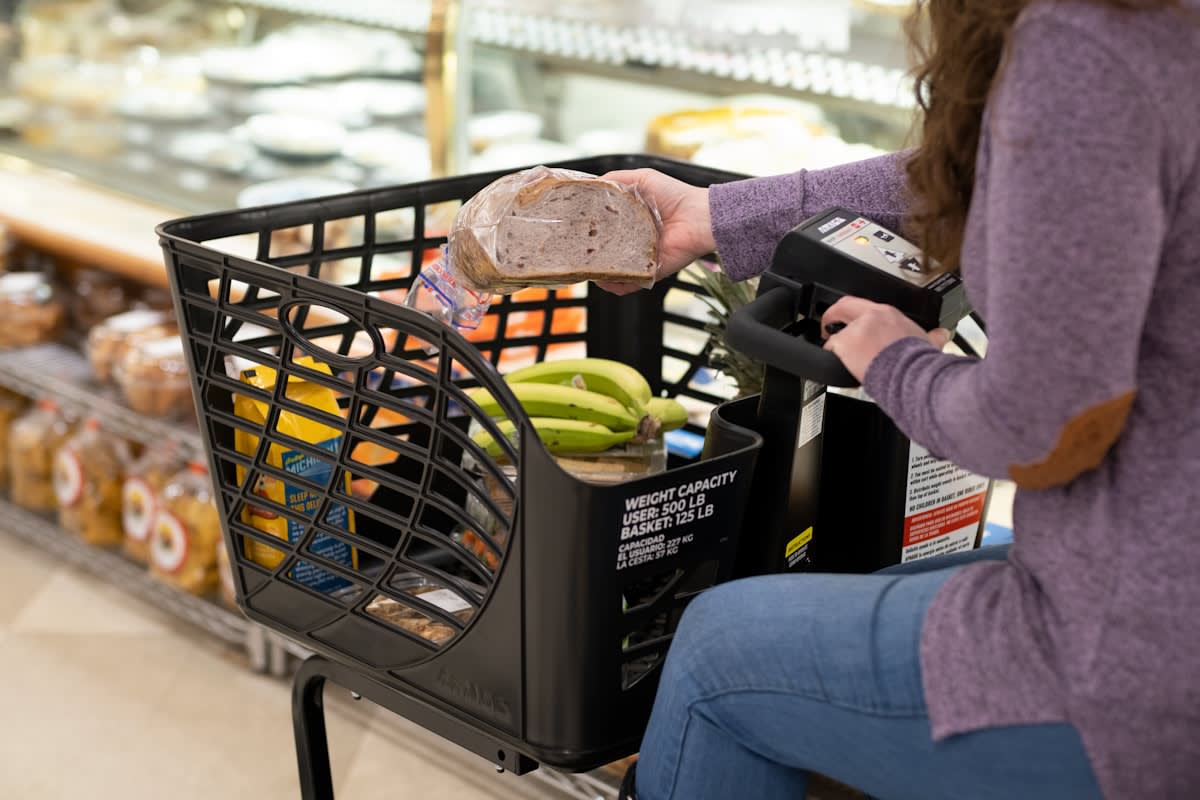
Precision nutrition is no longer a luxury reserved for elite athletes or Silicon Valley biohackers with deep pockets. This year, the technology is migrating from sterile laboratories and high-fee clinics directly into the aisles of the grocery store. We are seeing a convergence of wearable tech, rapid genomic sequencing, and retail integration that makes personalized eating a consumer reality. The question is no longer what we should eat, but what you specifically need to eat today.
The Delta: 2023 vs. 2024
To understand the velocity of this shift, look at the delta between last year and today. Twelve months ago, precision nutrition required a fragmented journey: a blood test here, a DNA kit there, and a costly consultant to make sense of the data. The process was slow and the feedback loop was lagged. You waited weeks for results that were often outdated by the time they arrived. It was a clinical experience, not a lifestyle one.
Today, the loop has closed. We have moved from episodic testing to continuous monitoring. The integration of Continuous Glucose Monitors (CGMs) for non-diabetics has fundamentally changed how consumers perceive food. Instead of guessing how a banana affects their energy, users see the spike in real-time on their wrist. This immediate feedback loop has accelerated the demand for personalized food options at the point of purchase.
The Strategic Pivot
The core shift is the transition from 'reactive' nutrition—fixing a deficiency—to 'predictive' nutrition—optimizing biology before a problem arises.
The Technology Triggers
Three specific triggers are driving this retail migration. First, the cost of genomic sequencing has plummeted from millions of dollars to under 600 dollars in a few decades, making DNA-based dieting accessible to the middle class. Second, the microbiome revolution has provided a map of the gut, revealing why two people can eat the same apple and have completely different glycemic responses. Third, AI is now capable of synthesizing these massive datasets into a simple grocery list.
| Feature | General Diet (Old Model) | Precision Nutrition (New Model) |
|---|---|---|
| Basis | Population averages | Individual biomarkers |
| Adaptability | Static/Fixed | Dynamic/Real-time |
| Goal | Disease prevention | Optimal performance |
| Delivery | Public guidelines | Algorithm-driven apps |
This is not just about apps; it is about the physical infrastructure of food. In regions like Southeast Asia, we see a surge in 'smart' nutrition hubs where biometric data informs the preparation of fresh meals. In North America, supplement companies are ditching the generic multivitamin in favor of 3D-printed pills tailored to a user's monthly blood work. The product is no longer the vitamin; the product is the personalization.
"We are moving toward a world where your grocery cart knows your blood sugar levels before you do. The supermarket is becoming a pharmacy of preventative health."— Industry Analyst, Global Health Trends
Global Adoption and Regional Nuance
The adoption of precision nutrition is not uniform across the globe. In the European Union, strict GDPR and health data regulations have slowed the integration of biometric data into retail, but have created a higher standard for data privacy. Consumers there are more skeptical of 'black box' algorithms and demand transparency in how their genetic data is used to suggest food. This has led to a more cautious, evidence-based rollout.
Contrast this with the rapid acceleration in Singapore and South Korea, where government-led health initiatives embrace digital health tracking. Here, the integration of wearables with national health databases is creating a seamless pipeline from clinic to kitchen. The result is a population that views personalized nutrition as a civic tool for longevity rather than a niche hobby for the wealthy.
Estimated Global Personalized Nutrition Market Growth (Billion USD)
Executive Insight
+18.4%
YTD Growth
The economic incentive for retailers is obvious. Personalized nutrition creates an incredibly sticky customer relationship. When a grocery store app tells you that your current iron levels are low based on your latest wearable sync and suggests three specific spinach-rich products, the friction of shopping disappears. It transforms the grocery store from a place of decision-fatigue into a place of curated health.
The Friction Points: Data vs. Behavior
However, data is not a magic bullet. The greatest challenge facing precision nutrition is the 'action gap.' Knowing that your body processes saturated fats poorly is one thing; resisting a slice of pizza in a social setting is another. The industry is now pivoting toward behavioral science to bridge this gap. We are seeing the rise of 'nudges'—real-time notifications that suggest alternatives based on the user's current metabolic state.
- Nutrigenomics: Tailoring diets based on genetic predispositions to nutrient absorption.
- Metagenomics: Using gut microbiome sequencing to predict glycemic response to carbohydrates.
- Metabolomics: Real-time tracking of metabolites via wearables to adjust caloric intake.
- Phenotyping: Integrating sleep, stress, and activity data to determine meal timing.
There is also the looming shadow of data sovereignty. Who owns the map of your microbiome? As this data moves from the lab to the grocery store, it enters the realm of commercial exploitation. If a retailer knows your genetic predisposition to certain cravings, they can manipulate your shopping experience with surgical precision. The resilience of this trend depends on the establishment of clear ethical boundaries regarding biological data.
Despite these hurdles, the momentum is irreversible. The move toward precision nutrition represents a broader shift in human health: a move from the 'sick-care' model to a 'well-care' model. By optimizing nutrition at the individual level, we reduce the systemic burden of metabolic diseases. We are no longer treating the symptoms of a bad diet; we are designing a diet that prevents the symptoms from ever appearing.
As we move through the remainder of the year, expect to see more 'biometric aisles' and AI-driven meal kits that sync with your health app. The general diet is not just evolving; it is being replaced. The future of food is not found in a general guideline, but in the unique code of your own biology. The lab has officially opened its doors to the public, and the results will be found in our shopping carts.