
Why do we wait for the engine to smoke before checking the oil? In modern medicine, the prevailing model is reactive: you feel a pain, you visit a clinic, you receive a diagnosis, and then you manage a disease. This is an outdated strategy. The real victory isn't in managing a chronic condition; it is in ensuring the condition never manifests. Predictive health flips the script. By leveraging proactive screening, we move the goalposts from treatment to prevention, identifying the molecular whispers of disease long before they become shouts.
This shift requires more than just a yearly physical. It demands a systemic overhaul of how you view your biology. We are seeing a global transition where high-performance health is treated like a precision engineering project. From the longevity clinics in Singapore to the integrated health hubs in Scandinavia, the elite are no longer asking 'What is wrong with me?' but 'What is my current trajectory, and how do I bend the curve?' This is not about chasing immortality; it is about expanding the healthspan to match the lifespan.
Prerequisites: Your Predictive Toolkit
Before you dive into advanced diagnostics, you need a foundation. You cannot optimize what you have not measured. Most patients enter the predictive space with fragmented data—a blood test from three years ago and a vague memory of a family history of hypertension. To execute this blueprint, you need a cohesive data repository and a specific mindset. You are no longer a passive patient; you are the CEO of your own biological data.
- A Comprehensive Health History: A digitized record of every major lab result, imaging report, and medication from the last decade.
- A Forward-Thinking Physician: A practitioner specializing in functional, preventative, or precision medicine who views 'normal' lab ranges as insufficient.
- Baseline Biometrics: Current measurements of blood pressure, resting heart rate, HbA1c, and lipid panels to establish a point of origin.
- Genetic Literacy: A basic understanding of how SNPs (Single Nucleotide Polymorphisms) influence individual responses to diet and exercise.

The Step-by-Step Implementation Process
Executing a predictive health strategy is an iterative process. It is not a one-time test but a lifelong feedback loop. The objective is to identify 'delta'—the rate of change in your markers over time. A single blood sugar reading tells you where you are today; three readings over three years tell you where you are heading. Here is how to build your screening architecture.
- Establish Your Genetic Baseline: Start with whole-genome sequencing or a comprehensive SNP analysis. This identifies your inherited predispositions—such as a higher risk for APOE4 (Alzheimer's) or BRCA mutations—allowing you to prioritize specific screenings over generic ones.
- Map Your Metabolic Fingerprint: Move beyond basic glucose tests. Implement quarterly monitoring of fasting insulin and HbA1c. In many global populations, insulin resistance precedes type 2 diabetes by a decade. Catching the rise in fasting insulin allows for lifestyle interventions that can completely reverse the trajectory.
- Execute Advanced Cardiovascular Imaging: Do not rely solely on LDL cholesterol. Request a CAC (Coronary Artery Calcium) score or a CCTA (Computed Tomography Coronary Angiography). These tools visualize actual plaque buildup in the arteries, providing a definitive answer on cardiovascular risk that a blood test cannot offer.
- Implement Longitudinal Biomarker Tracking: Track inflammatory markers like hs-CRP (high-sensitivity C-reactive protein) and Homocysteine. Chronic low-grade inflammation is the common denominator in almost every chronic disease, from atherosclerosis to neurodegeneration.
- Synthesize and Pivot: Every six months, aggregate your data. If a marker is trending toward the edge of the 'optimal' range (not the 'normal' range), pivot your nutrition, sleep, or exercise protocol immediately to correct the course.
Does this sound excessive? Perhaps to those accustomed to the 'wait and see' approach. But consider the cost of failure. In the United States and Europe, chronic diseases account for the vast majority of healthcare spending, yet most of these conditions are detectable years before they become symptomatic. By the time a patient feels the effects of metabolic syndrome, the systemic damage is often profound. Why accept a trajectory of decline when the data allows for a trajectory of optimization?
Critical Distinction
The 'Normal' Trap: Most laboratory reference ranges are based on the average of the population being tested. Since a large percentage of the population is metabolically unhealthy, 'normal' often actually means 'average sick.' Aim for 'optimal' ranges, which are defined by the healthiest cohorts in the population.
Transitioning from the 'what' to the 'how' requires a deep dive into the specific tools that make predictive health possible. We are currently witnessing a convergence of AI-driven analytics and liquid biopsies that are redefining the boundaries of early detection.
The Three Pillars of Proactive Detection
To build a truly resilient health blueprint, you must integrate three distinct layers of data. Relying on just one is like trying to navigate a city with only a compass; you know the direction, but you cannot see the obstacles in your path. The synergy of genomics, proteomics, and imaging creates a high-resolution map of your internal health.
| Pillar | What it Measures | Predictive Window | Actionable Outcome |
|---|---|---|---|
| Genomics | Inherited susceptibility (DNA) | Lifetime | Targeted screening & lifestyle pivots |
| Proteomics/Biomarkers | Current biological state (Blood/Urine) | Months to Years | Dietary adjustments & pharmacological intervention |
| Advanced Imaging | Structural changes (Organs/Arteries) | Years | Surgical prevention or aggressive therapy |
Genomics provides the blueprint, but it is not destiny. Epigenetics—how your environment influences gene expression—is where the real power lies. For instance, knowing you have a genetic predisposition for type 2 diabetes is not a sentence; it is a warning. It tells you that your margin for error with refined carbohydrates is smaller than someone else's. This allows for a personalized nutritional strategy that prevents the gene from ever being 'switched on'.
Proteomics and biomarker tracking offer a real-time snapshot of your biological machinery. We are seeing an explosion in the use of continuous glucose monitors (CGMs) not just for diabetics, but for healthy individuals in urban centers like Tokyo and London. By seeing how a specific food spikes their blood sugar in real-time, individuals can eliminate triggers that cause systemic inflammation and insulin resistance long before an HbA1c test would show a problem.
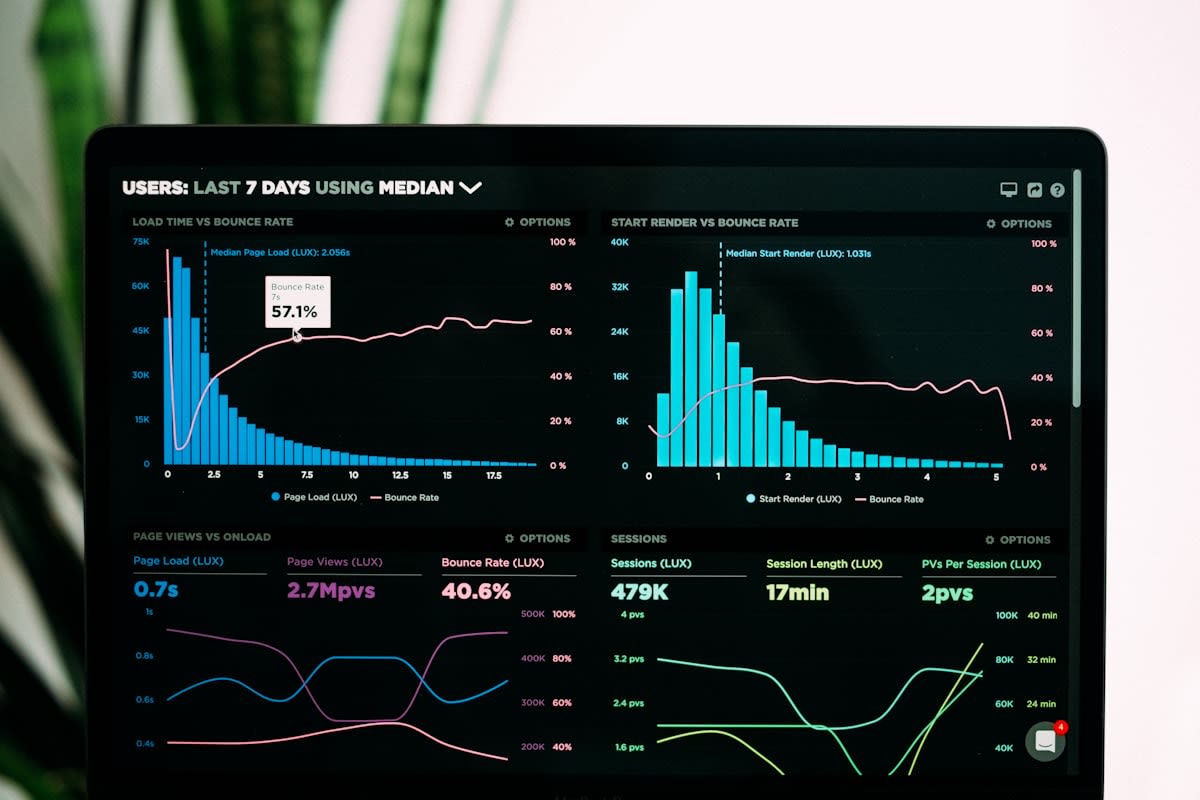
Finally, imaging provides the ground truth. While blood tests can suggest risk, a scan shows reality. The rise of AI-enhanced radiology means we can now detect nodules or arterial plaques that were previously invisible to the human eye. In regions with advanced healthcare infrastructure, the integration of AI into screening has increased the early detection rate of several cancers by over 20%, drastically improving survival outcomes.
"The future of medicine is not the cure; it is the elimination of the need for the cure through the aggressive pursuit of early data."— Industry Expert in Precision Medicine
As we refine these protocols, we must address the psychological and systemic hurdles. Proactive screening is not without its risks, and the implementation must be handled with surgical precision to avoid the pitfalls of over-diagnosis.
Common Pitfalls in Predictive Health
The road to optimization is littered with mistakes. The most common error is the 'snapshot fallacy'—believing that a single 'perfect' lab result means you are permanently healthy. Health is a dynamic state, not a static achievement. Others fall into the trap of 'data paralysis,' where they collect vast amounts of information but lack the clinical expertise to interpret it, leading to unnecessary anxiety or inappropriate self-treatment.
- Over-Diagnosis: Treating a 'marker' that would never have progressed into a clinical disease, leading to unnecessary medication side effects.
- Ignoring the Basics: Spending thousands on whole-genome sequencing while neglecting basic sleep hygiene and daily movement.
- Lack of Professional Oversight: Using AI health apps as a replacement for a physician rather than a tool to inform the physician.
- Failure to Trend: Looking at results in isolation rather than tracking the slope of the marker over multiple years.
Ultimately, the predictive health blueprint is about agency. It is about moving from a state of hope—hoping you aren't the one with the unlucky gene or the silent arterial blockage—to a state of knowledge. When you own your data and understand your trajectory, you stop being a passenger in your own body. You become the architect of your longevity.