US Federal Reserve keeps rates unchanged, leaves door open to further hikes
Source Entity
PRISHA PATNAIK
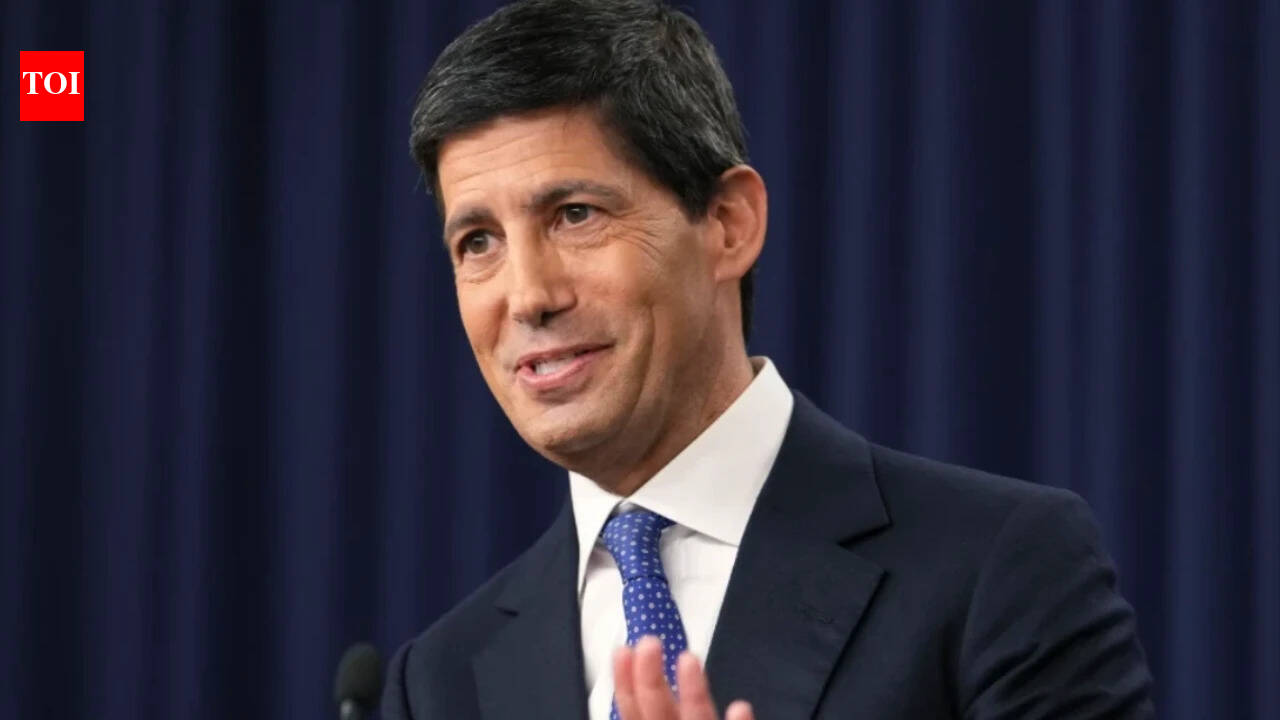
The Federal Reserve has maintained interest rates at 3.75%-4% following a 10-2 FOMC vote. Chair Kevin Warsh signaled that while rates remain steady, the door for future hikes stays open due to persistent inflation and robust economic growth.
Federal Reserve Holds Rates Steady Amidst Economic Resilience
The United States Federal Reserve, under the leadership of Chair Kevin Warsh, concluded its two-day Federal Open Market Committee (FOMC) meeting on October 28, 2026, with a decision to keep the federal funds rate unchanged in the 3.75%–4% range. This decision reflects a delicate balancing act as the central bank navigates the persistent challenge of elevated inflation against a backdrop of surprising economic strength. The outcome, reached by a 10-2 vote, underscores a prevailing consensus that current policy is sufficient for the moment, though internal disagreements persist.
The Mechanics of the 10-2 Vote
The 10-2 vote indicates that while the majority of the committee favored a pause to evaluate incoming data, a minority of two members advocated for a 25-basis-point increase. This split highlights the ongoing internal debate regarding the efficacy of current monetary tightening measures. Those favoring an increase likely point to the stubborn nature of inflation, while the majority appears to be prioritizing a cautious approach, waiting for more definitive evidence before committing to further restrictive actions.
Assessing the Economic Landscape
Chair Kevin Warsh noted that the U.S. economy is expanding at a "strong" pace, an upgrade from the "solid" assessment provided during the September meeting. This resilience is supported by robust domestic spending, strong productivity growth, and healthy investment levels. Furthermore, the labor market remains tight, with job gains keeping pace with the growing workforce. Despite these positive indicators, the central bank acknowledges that inflation remains a significant hurdle that necessitates continued vigilance.
Policy Messaging and Market Expectations
Although markets had largely priced in a pause—assigning less than a 10% probability to a rate hike prior to the announcement—the accompanying policy statement and press conference remain critical for investor sentiment. By leaving the door open for potential future hikes, the Federal Reserve is effectively managing market expectations and maintaining its "dual mandate" of promoting maximum employment and stable prices. The Fed’s signaling serves as a tool to prevent market complacency while acknowledging that the trajectory of interest rates remains data-dependent.
Broader Context and Future Trends
This decision arrives during a pivotal political window, just ahead of the U.S. midterm elections, adding a layer of complexity to the economic discourse. Historically, the Fed aims to remain apolitical, yet its decisions inevitably influence the economic narrative during election cycles. Looking ahead, the Federal Reserve will likely continue to monitor productivity and consumer spending patterns closely. If inflation does not trend toward the target rate despite the current pause, the committee may face renewed pressure to resume hikes in subsequent meetings, ensuring that monetary policy remains a reactive force to the prevailing macroeconomic environment.