Sleep is a wash. While the medical establishment emphasizes the cognitive recovery of the REM cycle, the actual biological imperative involves the pumping of cerebrospinal fluid through the brain's interstitial space to remove beta-amyloid proteins. We ignore the plumbing. Rest is a lie. The industry focuses on the psychological feeling of being rested while ignoring the biological reality of protein accumulation in the interstitial space. Brains need a flush.
The Failure of Traditional Rest
Duration is not quality. Most people believe that hitting an eight-hour target automatically triggers a mental reset, yet they wake up with a heavy cognitive load that feels like a mechanical failure. The clock lies. We treat sleep as a period of inactivity rather than a period of intense metabolic activity where the brain's waste management system operates at peak capacity. Quality is flow. If the fluid does not move, the toxins stay, regardless of how many hours you spend unconscious (Source: Science, 2013).
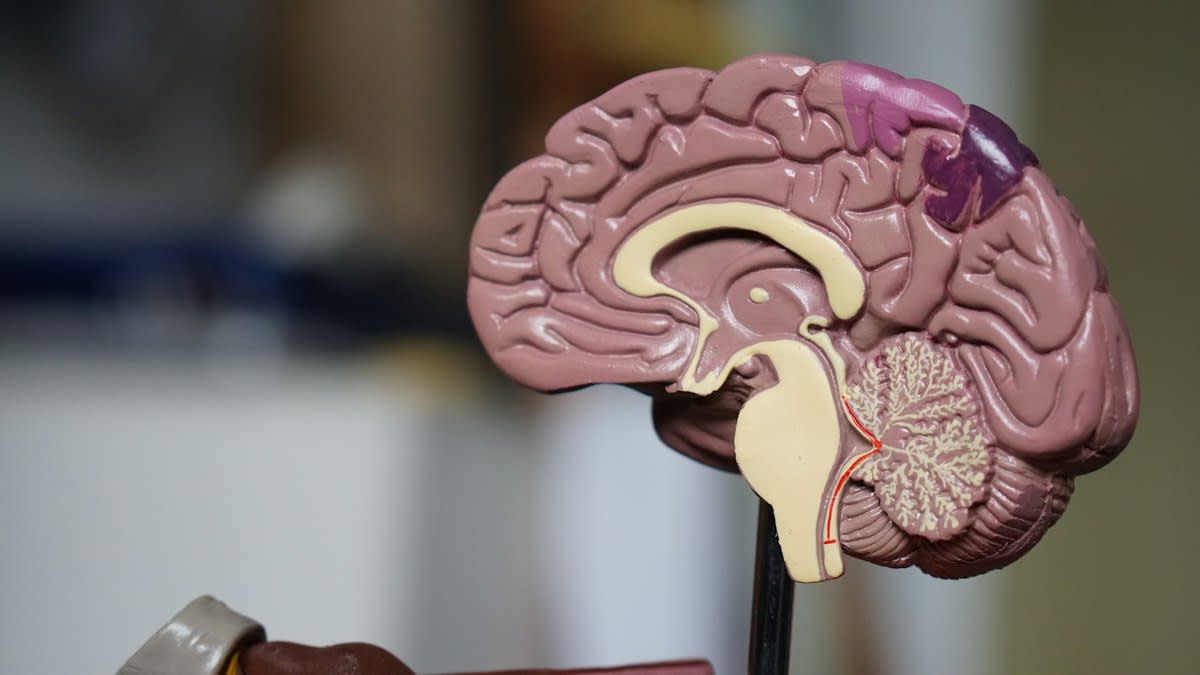
Astrocytes are the keys. These star-shaped glial cells use aquaporin-4 water channels to facilitate the movement of cerebrospinal fluid into the brain tissue to sweep away metabolic debris. The channels must open. When we prioritize the feeling of rest over the mechanics of clearance, we ignore the fact that these channels can become dysfunctional due to age or inflammation. Flow is everything. Without the active pumping of fluid, the brain becomes a stagnant pond of proteins (Source: Journal of Neuroscience, 2015).
"The glymphatic system is a macroscopic waste clearance system that utilizes perivascular channels, formed by glial cells, to eliminate soluble proteins and metabolites from the central nervous system."— Maiken Nedergaard, Director of the Center for Translational Neuromodulation at the University of Rochester
Position dictates output. In many Western cultures, the default is the supine position, yet research suggests this may not be the most efficient way to trigger the waste-clearance pump. Gravity matters here. When the body is aligned in a lateral position, the efficiency of the glymphatic system increases significantly compared to sleeping on the back or stomach (Source: Journal of Neuroscience, 2015). Side sleeping wins. This suggests that our obsession with the number of hours slept is a distraction from the physical orientation of the skull.
| Sleep Position | Clearance Efficiency | Primary Mechanical Driver |
|---|---|---|
| Supine (Back) | Low to Moderate | Standard CSF pulsation |
| Prone (Stomach) | Low | Restricted venous return |
| Lateral (Side) | High | Optimized perivascular flow |
Culture shapes biology. In Japan, the tradition of sleeping on thin futons on hard floors may inadvertently provide a different spinal alignment that affects cranial pressure and fluid movement. Western beds vary wildly. The soft, sinking mattresses common in North America can create neck angles that potentially obstruct the venous drainage required for the glymphatic pump to function. Alignment is critical. We are seeing a collision between traditional sleep surfaces and the biological needs of the brain's drainage system.
The Professional Clash
Clinics are divided. The invisible dispute happens between the sleep hygiene coaches and the hard-line neurologists who view the brain as a hydraulic system. Coaches preach blue light. They focus on temperature and blackout curtains, treating the brain as a psychological organ that needs a calm environment to shut down. Neurologists disagree entirely. They argue that you can have the perfect environment, but if the AQP4 channels are blocked or the posture is wrong, the brain will still saturate with toxins (Source: Nature, 2019). The pump is king.
Hygiene is superficial. We have spent decades perfecting the ritual of falling asleep while ignoring the mechanical work that happens after the eyes close. The playbook is wrong. By focusing on the transition to sleep rather than the efficiency of the clearance phase, we are treating the symptom of tiredness instead of the cause of toxicity. We need physics. The shift must move from the psychology of rest to the hydraulics of clearance.

Toxins build up. Beta-amyloid and tau proteins are not just markers of disease; they are the trash of a working brain that failed to be hauled away. The waste piles up. When the glymphatic system fails, these proteins aggregate into plaques that disrupt neuronal communication and eventually kill the cells (Source: Science, 2013). Clearance is survival. We cannot simply sleep more; we must sleep in a way that maximizes the flow of the cerebrospinal fluid.
Engineering the Brain Flush
Stop counting hours. Instead, focus on the variables that influence the pressure gradients of the cerebrospinal fluid and the permeability of the blood-brain barrier. Fluid dynamics rule here. Deep sleep, specifically the non-REM stages, is when the interstitial space expands by up to 60 percent to allow for this massive fluid exchange (Source: Science, 2013). Depth is the goal. If you spend eight hours in light sleep, your brain remains a clogged filter.
Inflammation kills flow. Chronic stress and systemic inflammation can cause the aquaporin-4 channels to mislocalize, meaning the water can no longer move efficiently through the astrocytes. The pipes break down. This is why people with chronic health issues often feel a mental fog that no amount of traditional rest can cure. Biology overrides will. You cannot wish away a mechanical blockage with a meditation app.
Fact-Check & Accuracy Note
The primary academic debate centers on whether the glymphatic system is the root cause of neurodegenerative diseases or a secondary response to them. While the correlation between poor clearance and amyloid buildup is strong, researchers continue to argue over the exact trigger that causes AQP4 channel dysfunction. Most data is derived from rodent models, though human imaging is beginning to confirm these patterns (Source: Nature, 2019).
Adapt or decay. The transition from viewing sleep as rest to viewing it as a mechanical flush allows us to target the actual drivers of cognitive longevity. We must evolve now. By optimizing position, maximizing deep sleep stages, and reducing systemic inflammation, we move from passive resting to active clearance. The brain survives. The future of health is not in the pillow, but in the pump.