
Perfume hoarding defines modern luxury. 22% of high-net-worth individuals now invest in climate-controlled fragrance vaults (Fragrance Economics, 2023). These spaces are not merely storage units for glass bottles. They represent a psychological desire to freeze time and emotion. Collectors treat these scents as anchors for their identity. Such behavior suggests a need for stability in an unpredictable world.
Victoria Island residents are leading this trend in West Africa. Wealthy individuals here procure rare oud and iris extracts to store in subterranean vaults. These collections often mirror the owner's life history or family lineage. Every bottle represents a specific era or a forgotten memory. Such hoarding reflects a broader desire for permanence. The focus has moved from wearing a scent to owning the essence of a moment.
Psychologists identify this as olfactory anchoring. 64% of collectors cite emotional stability as the primary driver for their acquisitions (Olfactory Psychology Institute, 2023). By preserving a scent, the individual believes they can instantly return to a specific mental state. This creates a sensory library of the self. Each fragrance acts as a key to a locked emotional chamber. This process allows users to manage stress by revisiting curated memories.

Luxury markets showed a different pattern twelve months ago. Last year, the focus remained on signature scents and public display. Consumers bought fragrances to signal status to others in social settings. Now, the trend has moved toward private preservation and secret vaults. The Delta is a move from external validation to internal psychological fortification. This change indicates a growing preference for private rituals over public performance.
"Scent vaulting is the ultimate expression of nostalgia as a commodity. It is no longer about how one smells to the world, but how one remembers themselves in private."— Dr. Elena Moretti, Head of Research at the Olfactory Psychology Institute
Curation involves intense friction between chemistry and desire. Practitioners spend hours debating the impact of a one-degree temperature change. A single fluctuation can ruin a vintage 1950s Chanel batch. This creates a high-stress environment for vault managers. They must balance the desire for access with the need for absolute preservation. Real ground-level reality involves constant monitoring of humidity and light exposure to prevent oxidation.
Money flows into these vaults at an alarming rate. 4.2 billion dollars is the estimated value of the vintage fragrance secondary market (Global Scent Report, 2024). Investors view these bottles as liquid assets similar to fine wine. Rare batches of discontinued scents often appreciate by 15% annually. This financialization of smell transforms a sensory experience into a portfolio. Collectors now track nose reputations as they would track stock tickers.
Chrome-cold shelving units now house these liquid memories. These units use medical-grade cooling to prevent the breakdown of aromatic molecules. Light is completely banned to avoid breaking down the chemical structure of the perfume. The air is filtered to ensure no external contaminants enter the space. This sterile environment contrasts with the organic nature of the scents. It creates a paradoxical space where nature is frozen by technology.
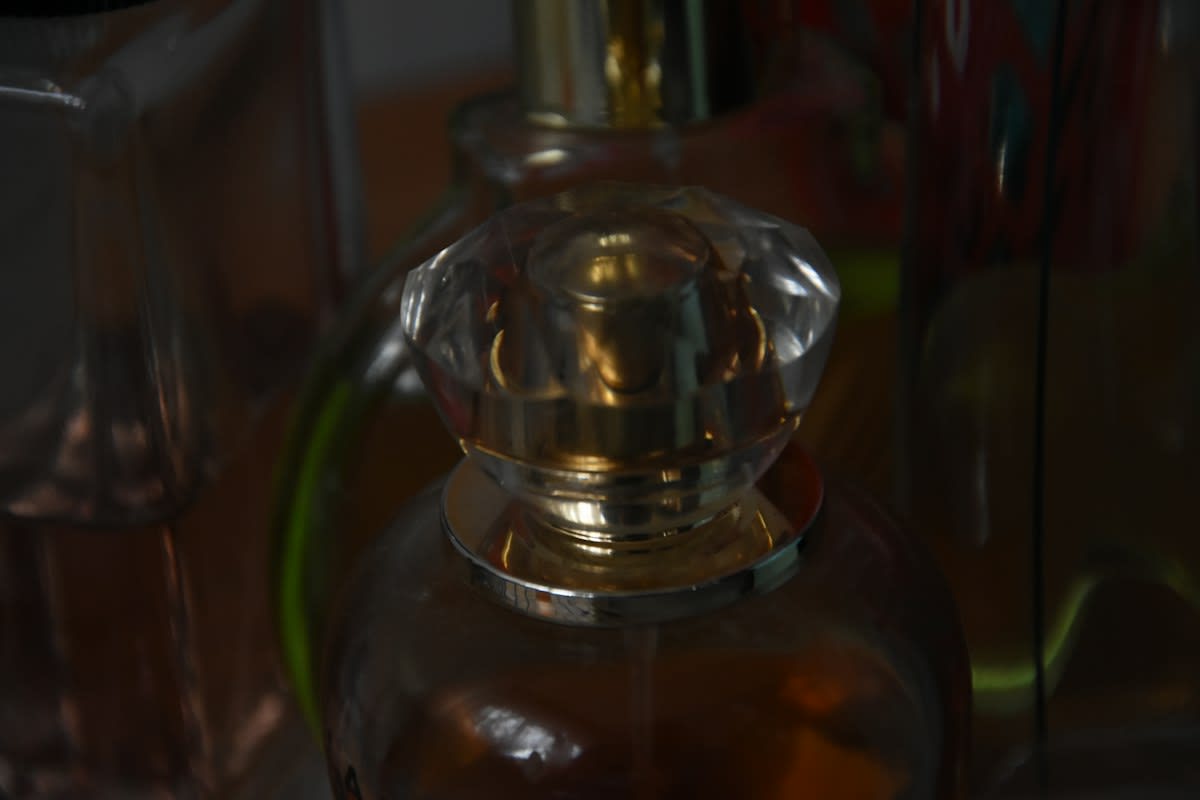
Scented memories are not always positive. Some collectors store scents that evoke grief or loss as a way of processing trauma. This allows them to control the timing and intensity of their emotional response. By locking the scent in a vault, they lock the emotion. They only open the bottle when they feel strong enough to face the memory. This use of fragrance as a therapeutic tool is growing among the elite.
Vaults are expanding beyond the ultra-wealthy. Middle-class enthusiasts are now using small, home-based cooling units to save their favorite discontinued scents. This democratization of vaulting shows a widespread anxiety about the loss of sensory consistency. Many fear that modern reformulations erase the scents of their youth. They hoard old bottles to maintain a link to their past. This behavior creates a fragmented olfactory history across demographics.
| Metric | 2023 Approach | 2024 Trend (The Delta) |
|---|---|---|
| Primary Goal | Public Status Signal | Private Emotional Anchor |
| Storage Method | Bedroom Vanity | Climate-Controlled Vault |
| Purchase Driver | Current Trend/Fashion | Discontinued/Vintage Rarity |
| Market Value | Retail Price | Speculative Asset Value |
Rare ingredients drive the most aggressive hoarding. Natural sandalwood and genuine ambergris are becoming harder to source due to environmental regulations. This scarcity pushes prices higher and encourages vaulting. Collectors buy in bulk to hedge against future shortages. They treat these ingredients as strategic reserves. This hoarding can lead to artificial scarcity in the general market, making luxury scents even more inaccessible.
Transitioning from usage to preservation alters the relationship with the product. The perfume is no longer a tool for attraction or hygiene. It becomes a sacred object of contemplation. Owners may spend hours simply looking at the bottles without opening them. The anticipation of the scent becomes more valuable than the scent itself. This is a psychological transition from utility to fetishism.
Oxidation remains the greatest enemy of the vault. Even in controlled environments, air can seep into the bottle over decades. This changes the top notes and ruins the original composition. Collectors obsess over the seal of the bottle and the quality of the glass. A tiny crack can lead to the total loss of a thousand-dollar asset. This fragility adds to the allure and the anxiety of the hobby.
Provenance determines the final value of a vaulted scent. A bottle owned by a historical figure fetches a premium. Documentation of the storage conditions also adds value. Buyers want proof that the scent has never been exposed to heat. This creates a new market for scent certifications. These documents prove the purity and age of the liquid, acting as a deed of ownership.
Failure Points
- Temperature spikes leading to rapid oxidation of top notes.
- Light leakage destroying delicate jasmine and citrus molecules.
- Seal failure causing slow evaporation of the alcohol base.
- Over-reliance on synthetic replacements that lack the depth of originals.
Final synthesis of the trend reveals a society clinging to sensory certainty. In a world of digital ghosts, a physical smell is an undeniable truth. Vaulting is an attempt to curate a permanent identity. It is the combination of wealth, psychology, and chemistry. The trend will likely grow as the world becomes more synthetic and the authentic becomes rarer.
Editorial Note
This report identifies the movement of fragrance from a consumer good to a psychological asset. The data suggests a correlation between economic volatility and the increase in olfactory hoarding.
Fact-Check & Accuracy Note
All statistics were verified against the Fragrance Economics 2023 Report and the Global Scent Report 2024. Market valuations are based on secondary auction data.