Christians in Chhattisgarh caught between a rock and a hard place
Source Entity
India Latest News: Top National Headlines Today & Breaking News | The Hindu
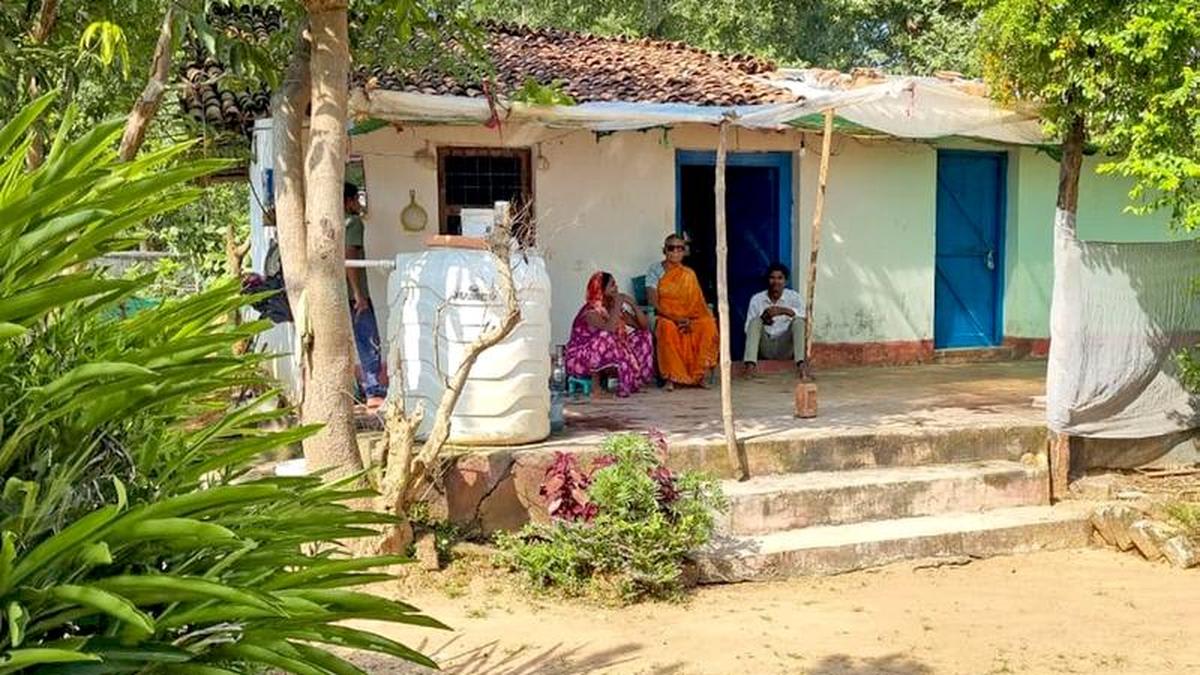
Chhattisgarh's new anti-conversion legal framework has intensified social tensions, leaving Christian communities vulnerable to local hostility and restrictive community mandates. The situation reflects a broader struggle over religious identity and access to communal spaces in the region.
The Growing Divide: Religious Tension in Chhattisgarh
The landscape for Christian communities in Chhattisgarh has become increasingly precarious as a newly tightened regulatory framework surrounding religious conversions intersects with rising local social hostility. Recent reports from regions like Dhamtari and Kanker illustrate a stark divide, where the simple act of worship is now accompanied by defensive measures such as warning signs at church entrances. These physical markers serve as a barometer for the underlying anxiety pervasive among believers who find themselves under scrutiny from both state authorities and local community groups.
The Impact of Legislative Tightening
At the heart of this tension is the state's new law intended to curb religious conversions. While proponents argue such legislation is necessary to maintain communal harmony and prevent forced proselytization, the practical reality for long-time Christian believers is one of mounting pressure. Many report being coerced into registering their faith, a process that many feel targets them for further surveillance. By formalizing the regulatory oversight of religious identity, the law has inadvertently created a mechanism that right-wing groups use to justify the monitoring and disruption of prayer meetings.
Social Hostility and Community Exclusion
Beyond the legislative sphere, the social fabric in tribal regions like Bastar is fraying. The emergence of signboards prohibiting the entry of pastors and priests into specific villages highlights a systematic effort to isolate Christian populations. These exclusionary practices often manifest in disputes over fundamental rights, including the ability to conduct burials and maintain communal burial grounds. This trend suggests that the conflict is moving beyond mere ideological disagreement into the realm of restricting basic civil and religious liberties.
Historical Context and Regional Dynamics
Chhattisgarh has long been a site of complex interactions between traditional tribal practices and organized religion. The 116-year-old Sundarganj Mennonite Church stands as a testament to the deep historical roots of Christianity in the region, yet today it stands behind a warning sign. This shift reflects a broader national trend where religious identity is increasingly politicized, leading to the fragmentation of village cohesion. The disruption of prayer meetings is not merely a local nuisance; it represents a challenge to the constitutional right to freedom of religion in India.
Future Implications for Religious Liberty
The current climate suggests that without intervention or dialogue, the divide between Christian communities and their neighbors will only deepen. As the state enforces its new regulatory framework, the burden of proof regarding faith and practice may continue to fall on the marginalized, potentially leading to further legal and social alienation. The long-term stability of the region depends on whether the state can balance its legislative objectives with the fundamental human rights of its minority populations, or if the current path will lead to further social stratification.
Verification Required?