'Internal Affair': Indian Envoy Slams US Lawmaker's SIR Voter List Row Remark
Source Entity
NDTV News Search Records Found 1000
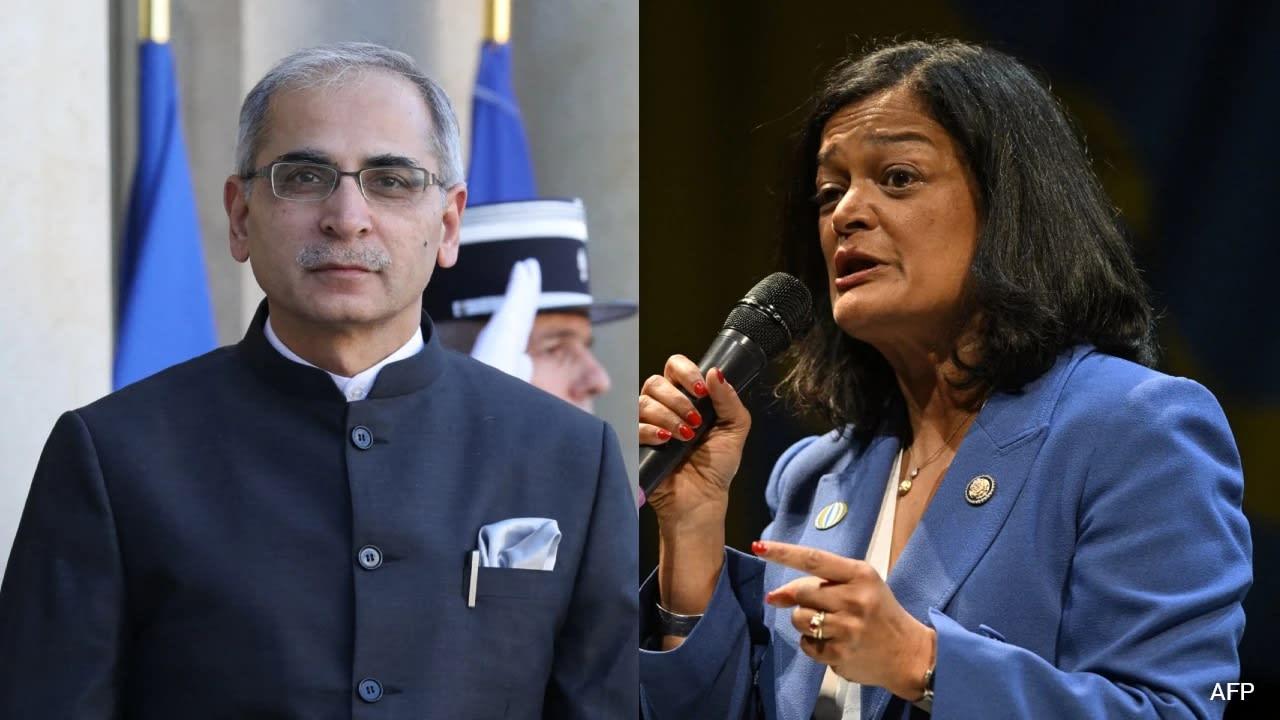
The Indian ambassador has dismissed concerns raised by a US lawmaker regarding voter list rows, labeling the issue an internal affair. The envoy emphasized his openness to constructive dialogue while maintaining India's sovereign stance on domestic governance.
Diplomatic Tensions: India Responds to US Scrutiny
Recent diplomatic discourse between India and the United States has hit a point of friction following comments made by a US lawmaker regarding India's voter list processes. The Indian ambassador has firmly characterized these remarks as an 'internal affair,' asserting that the integrity and management of electoral rolls remain strictly within the purview of Indian national sovereignty. This response serves as a recalibration of the bilateral narrative, emphasizing that while partnerships are valued, external commentary on sensitive domestic administrative procedures is often viewed with reservation by New Delhi.
The Boundaries of Constructive Engagement
Central to the ambassador's rebuttal is the distinction between constructive international cooperation and perceived interference. By stating he is 'always open to constructive conversation,' the envoy is signaling that India is not retreating from the global stage or avoiding scrutiny, but rather establishing clear parameters for how such discourse should occur. This suggests that future diplomatic engagements must prioritize respectful, bilateral channels rather than public critiques that might be seen as undermining internal administrative autonomy.
Contextualizing Electoral Administration
To understand the gravity of this exchange, one must recognize the scale of Indian democracy. The management of voter lists in a nation with nearly a billion eligible voters is an immense logistical undertaking managed by the Election Commission of India. When US lawmakers or international bodies comment on these processes, it often touches upon the perceived transparency and inclusivity of these rolls. The Indian government’s insistence on the 'internal affair' label is a protective stance designed to shield these complex, constitutionally mandated processes from what they consider misinformed external political pressures.
Bilateral Implications and Future Trends
This incident highlights a recurring trend in US-India relations: the balancing act between shared democratic values and differing approaches to domestic governance. As India continues to grow as a global power, it is increasingly sensitive to how its internal administrative mechanisms are portrayed abroad. We can expect future interactions to feature similar tensions, particularly as both nations navigate the complexities of global democratic standards versus national sovereignty.
Conclusion: Navigating Diplomatic Maturity
Ultimately, this exchange underscores the maturity of the modern US-India relationship. The ability for both sides to engage in open, even if occasionally sharp, discourse without fracturing the broader strategic partnership is a sign of long-term stability. The Indian envoy’s insistence on constructive dialogue suggests that while the current disagreement over voter list remarks is significant, it is unlikely to derail the deepening economic and security ties between the two nations, provided that mutual respect for sovereignty remains a core tenet of the engagement.
Verification Required?