No fuel-powered motorboats, jet skis in Dal Lake, orders Jammu and Kashmir High Court
Source Entity
Ashish Shaji
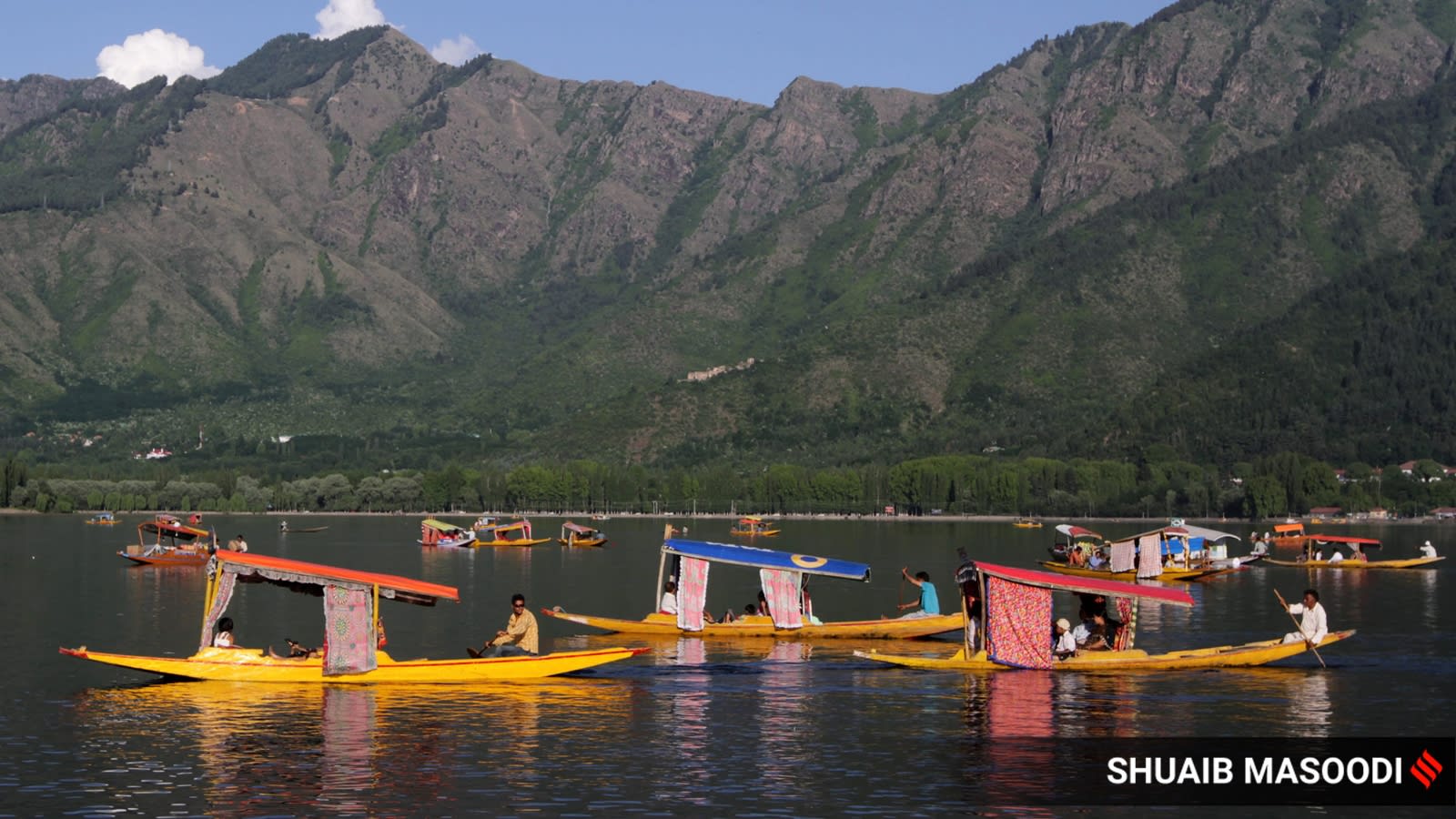
The Jammu and Kashmir High Court has banned all fuel-powered motorboats and jet skis on Dal Lake to mitigate environmental damage. Authorities are now tasked with transitioning to eco-friendly alternatives like solar-powered e-engines.
Judicial Intervention for Dal Lake’s Preservation
In a landmark ruling delivered on October 14-15, 2026, the Jammu and Kashmir and Ladakh High Court has imposed a strict prohibition on the use of fuel-powered motorboats and jet skis within the iconic Dal Lake. The Division Bench, led by Chief Justice Dr. Pushpendra Singh Bhati and Justice Rajesh Sekhri, issued this directive to address the deteriorating ecological state of the lake, which has long been threatened by motorized pollution. This judicial intervention marks a significant shift in how the region manages its most famous water body, prioritizing environmental preservation over commercial convenience.
Accountability and Enforcement
The court has placed the burden of enforcement squarely on the shoulders of the Jammu and Kashmir Lake Conservation and Management Authority (LCMA), the Tourism Department, and the J&K Police. The bench was explicit in its instructions, warning that any failure to prevent the operation of motorized vessels would be treated as contempt of court. By holding specific officers accountable, the judiciary is attempting to ensure that the order is not merely a symbolic gesture, but a strictly enforced operational reality for the lake’s management.
Exemptions for Public Safety
While the ban is comprehensive, the court has provided critical exemptions to ensure that essential administrative functions remain unhindered. Boats utilized by the administration, emergency services, law enforcement, and disaster management teams are permitted to continue operations. This nuanced approach ensures that the ecological restoration of the lake does not come at the cost of public safety or the government's ability to respond to crises on the water.
The Shift Toward Sustainable Tourism
A central component of the court's directive is the move toward sustainable technology. The bench has explicitly directed the government to explore the feasibility of integrating solar-powered e-engines into the lake’s transport system. This move signals a broader transition for Srinagar’s tourism sector, pushing stakeholders away from legacy fuel-reliant models toward greener, renewable energy alternatives that protect the delicate aquatic ecosystem of the lake.
Future Implications and Ecological Outlook
The long-term implications of this order are profound. Dal Lake serves as the heart of Kashmir’s tourism industry, and its survival is inextricably linked to the health of its water. By eliminating fuel-based contaminants, the authorities hope to restore the water quality and biodiversity that have been compromised by years of motorized traffic. If successful, this transition to solar propulsion could serve as a model for other sensitive water bodies across India, proving that tourism can coexist with rigorous environmental standards when enforced by clear judicial mandates.
Multiple Citing Sources