Marco Rubio to visit Indian billionaire Ambani's refinery in Gujarat as U.S. diesel prices surge
Source Entity
US Top News and Analysis
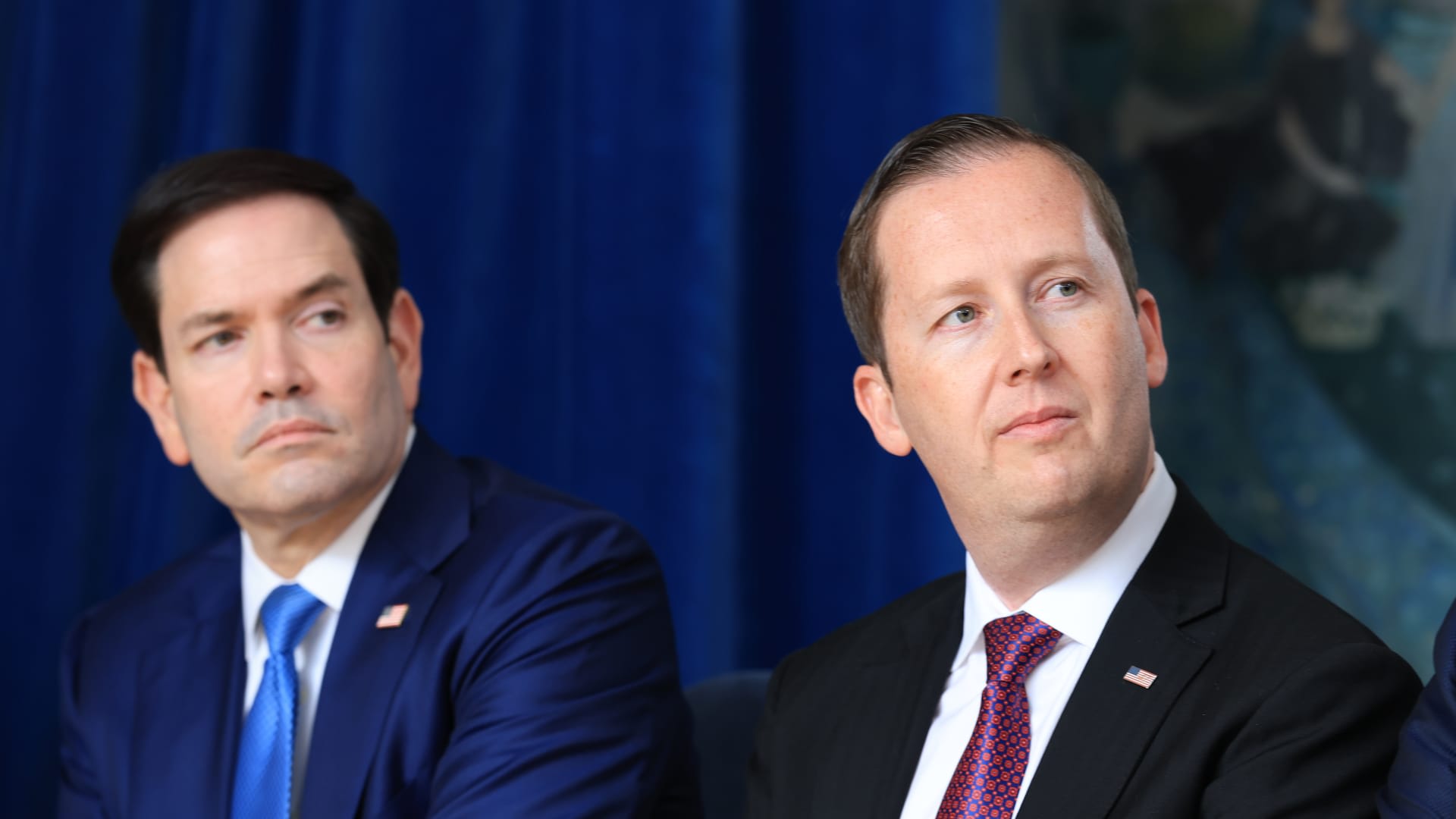
U.S. Secretary of State Marco Rubio is visiting Mukesh Ambani’s Jamnagar refinery in India to address domestic diesel shortages. This diplomatic trip follows the Trump administration's strategic efforts to stabilize energy costs ahead of U.S. midterm elections.
Strategic Energy Diplomacy: Rubio’s Visit to Jamnagar
U.S. Secretary of State Marco Rubio’s scheduled visit to the Reliance Industries refinery in Jamnagar, India, marks a significant intersection of international diplomacy and domestic economic policy. As the owner of the world’s largest oil refining complex, Mukesh Ambani has positioned Reliance as a critical node in the global energy supply chain. This visit, occurring shortly after bilateral discussions between President Donald Trump and Prime Minister Narendra Modi at the G7 Summit, underscores the deepening energy cooperation between Washington and New Delhi.
Addressing the U.S. Diesel Crisis
The primary driver behind this diplomatic engagement is the persistent surge in U.S. diesel prices. Diesel serves as the lifeblood of the American economy, fueling the logistics networks that support truckers, farmers, and shippers. With the International Energy Agency (IEA) projecting that market constraints will keep prices elevated through the coming year, the Trump administration is aggressively seeking alternative supply channels to mitigate inflationary pressures before the upcoming midterm elections.
The Role of Reliance Industries
Reliance Industries has become an indispensable partner in this effort. Beyond its massive refining capacity in Gujarat, the company is actively expanding its footprint in the United States through refinery investments and the procurement of Venezuelan oil. By strengthening ties with Reliance, the U.S. government aims to leverage India’s refining prowess to stabilize domestic fuel availability, effectively using global energy trade to offset localized supply chain vulnerabilities.
Geopolitical Realignment
This visit also highlights a pragmatic shift in U.S. foreign policy. In an effort to curb rising costs, the administration has moved to pause sanctions on Russian energy exports, a move intended to increase global supply. The coordination with India—a country that has navigated a complex path regarding energy imports—suggests a broader strategy of prioritizing economic stability and energy security over strictly ideological foreign policy constraints.
Future Implications and Energy Trends
Looking ahead, the reliance on mega-refineries like Jamnagar suggests that U.S. energy policy will increasingly depend on diversified global partnerships. If this visit results in a more robust supply agreement, it could stabilize diesel prices and provide a template for future international energy collaboration. However, the success of this strategy remains tethered to the volatility of global markets and the ongoing effectiveness of the administration's sanctions policy, which continues to be a point of significant scrutiny in global energy circles.
Conclusion
In summary, Marco Rubio’s visit to the Jamnagar facility is a high-stakes effort to manage the immediate impact of energy costs on the American electorate. By bridging the gap between Indian industrial capacity and U.S. demand, the administration hopes to avoid the economic fallout of a prolonged diesel crisis, signaling a new era of energy-centric diplomacy.