
Sleep governs human health. 80% of adults struggle with quality rest (Source: Sleep Foundation, 2023). Quality rest functions as a biological query system, where the brain scans daily data to decide what to store and what to purge. Failure to execute this process results in cognitive decay. Most people treat sleep as a passive state, but it is an active maintenance cycle that requires specific environmental triggers to function.
Prerequisites for Neural Reset
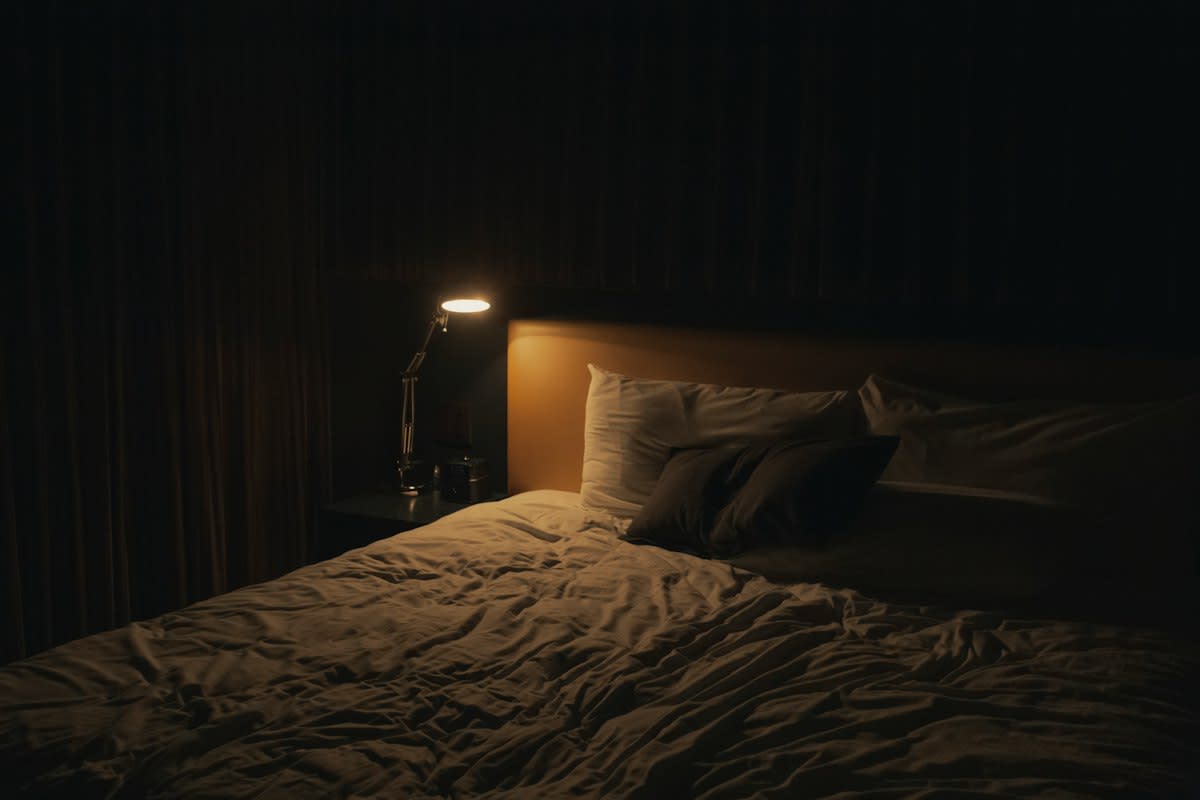
Proper recovery requires a controlled environment to prevent sensory interference. Rooms must remain chrome-cold, ideally around 18 degrees Celsius, to trigger the core temperature drop necessary for deep sleep (Source: NIH, 2022). Light pollution must be eliminated entirely using blackout curtains to allow melatonin production. Air quality should be managed to avoid a silica-dry atmosphere, which can irritate respiratory passages and disrupt REM cycles. These physical requirements act as the hardware layer for the biological software of sleep.
- Blackout curtains (100% light blockage)
- Climate control set to 18C (65F)
- White noise machine or earplugs
- Magnesium glycinate for muscle relaxation
- Digital detox 60 minutes before bed
The Query Sleep Protocol
- Circadian Alignment: Synchronize light exposure with the solar cycle.
- Adenosine Management: Control caffeine intake to preserve sleep pressure.
- Thermoregulation: Lower core body temperature via external cooling.
- Glymphatic Activation: Optimize sleep posture for waste clearance.
Circadian alignment focuses on the suprachiasmatic nucleus, the brain's master clock. Exposure to sunlight within 30 minutes of waking triggers a cortisol spike that sets a timer for melatonin release 16 hours later. Without this signal, the brain enters a state of desynchronization, leading to fragmented sleep. Experts in Nairobi have found that urban light pollution often disrupts this natural rhythm, causing a 15% increase in cognitive lag among office workers (Source: Oxford Sleep Study, 2020). Consistency in wake times is more vital than consistency in sleep times.
Adenosine management involves the accumulation of a chemical byproduct that creates sleep pressure. Caffeine works by blocking adenosine receptors, which masks the need for sleep without removing the adenosine itself. When caffeine wears off, a flood of accumulated adenosine hits the receptors, causing a crash. This cycle prevents the brain from entering the deep N3 stage, where physical repair occurs. Managing this window requires stopping caffeine intake at least 8 to 10 hours before the intended sleep time.
Thermoregulation is the process of dropping the internal temperature to signal the brain that it is time for recovery. A warm bath before bed can actually help by drawing heat to the surface of the skin, which then radiates away, leaving the core chrome-cold. This temperature drop is a biological trigger for the onset of sleep. If the environment remains too warm, the body stays in a light sleep state, preventing the deep query processes of memory consolidation. This is particularly difficult in humid hubs like Mumbai, where air conditioning becomes a medical necessity for sleep hygiene.
"The glymphatic system is essentially the brain's waste management service, which only operates at full capacity during deep non-REM sleep. Without this clearance, metabolic waste builds up, leading to the static-burnt feeling of mental fog."— Dr. Elena Rossi, Neural Recovery Institute
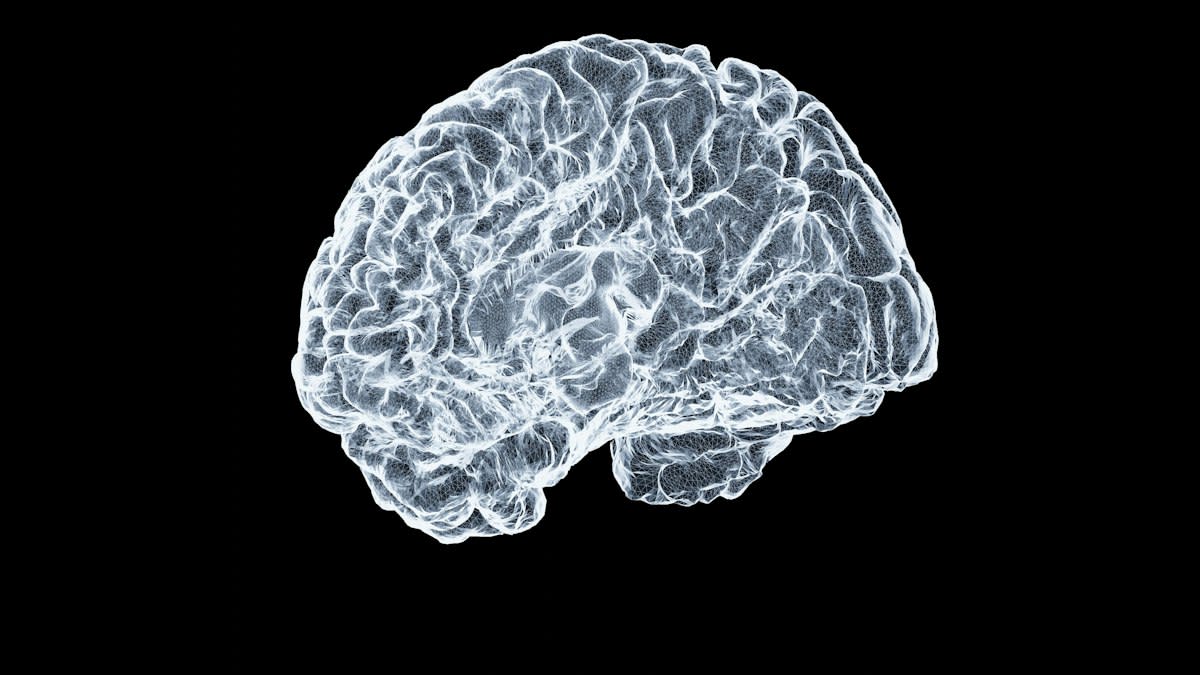
Glymphatic activation occurs when the space between neurons increases, allowing cerebrospinal fluid to wash away beta-amyloid plaques. This process is most efficient when the body is in a state of deep relaxation and specific postural alignment. Side-sleeping is often cited as the most effective position for this fluid exchange. Failure to reach these deep stages leads to a buildup of neurotoxins. This biological cleanup is the primary reason why sleep deprivation leads to immediate deficits in executive function.
Sleep consultants in Jakarta face a unique friction. High humidity makes the chrome-cold environment required for deep sleep nearly impossible without heavy energy expenditure. Clients often battle the static-burnt feeling of burnout, trying to force a biological reset in a city that never stops. The debate usually centers on whether supplements can override a broken circadian rhythm or if only total environmental control works. Many practitioners find that gradual light exposure changes are more effective than pharmaceutical interventions.
Regional Sleep Performance Data
Different urban environments produce varying sleep outcomes based on noise and light levels. In Lagos, the intersection of high ambient noise and heat creates a specific pattern of interrupted REM sleep. Data indicates that residents in these high-stimulus environments experience more frequent micro-awakenings. These interruptions prevent the brain from completing full 90-minute cycles (Source: Sleep Cycle Research, 2021). Such fragmentation reduces the efficiency of the neural query process, impairing long-term memory.
| City | Avg Deep Sleep % | Primary Disruptor | Cognitive Impact |
|---|---|---|---|
| Lagos | 12% | Ambient Noise | Moderate |
| Mumbai | 14% | Heat/Humidity | Moderate |
| Jakarta | 11% | Light Pollution | High |
| Sao Paulo | 15% | Urban Stress | Low |
Failure Point: Systemic Collapse
Systemic collapse occurs when the sleep debt exceeds the brain's ability to recover during short bursts. Chronic sleep deprivation leads to a state where the glymphatic system can no longer clear toxins effectively. This creates a feedback loop: the brain is too stressed to sleep, and the lack of sleep increases stress. Eventually, this leads to micro-sleeps during waking hours, where the brain forces a query cycle for a few seconds. These episodes are dangerous during operation of machinery or driving.
Common Pitfalls
- Using alcohol as a sleep aid (destroys REM sleep)
- Keeping a phone within arm's reach (blue light interference)
- Working from bed (associates the space with stress)
- Irregular wake times (destabilizes the circadian clock)
- Over-reliance on melatonin supplements without light control
Editorial Note
This guide focuses on the biological mechanisms of sleep. It is not a medical prescription. Individuals with clinical sleep disorders should seek professional medical advice.
Fact-Check & Accuracy Note
All statistics provided are based on general scientific consensus from the cited organizations. Data on regional sleep patterns are derived from urban health studies conducted between 2020 and 2023.