43 percent. This is the specific variance in elite putting performance predicted by the duration of the Quiet Eye fixation (Source: Vine et al., 2011). In the rust-pitted environments of high-stakes competition, the difference between a champion and a failure often rests on a few milliseconds of visual stability. The Quiet Eye is not merely looking; it is the final visual fixation on a relevant target immediately before a critical movement begins. This state of ocular stillness allows the brain to program the motor command with precision, stripping away the noise of the surrounding environment. When the gaze wanders, the motor sequence fractures, leading to the catastrophic failures known as the yips.
Prerequisites for Gaze Stabilization
Before implementing the Quiet Eye protocol, a practitioner must establish a baseline of sensory awareness. You need a defined target—a specific dimple on a golf ball or a precise seam on a tennis ball—and a carbon-scored environment where distractions are minimized. The athlete must be capable of differentiating between a scanning gaze and a fixed gaze. This requires a mental shift from internal monitoring (how the wrist feels) to external targeting (where the ball must go). Without this distinction, the attempt to freeze the eyes becomes another source of interference rather than a solution.
- A singular, high-contrast visual target (e.g., a specific mark on the target).
- A controlled breathing rhythm to lower heart rate variability.
- An external focus mindset, ignoring internal bodily sensations.
- A repeatable pre-shot routine to trigger the fixation window.
The Mechanics of the Yips
The yips are a psychological and neurological glitch. They affect an estimated 33 to 48 percent of serious tournament golfers (Source: Smith et al., 2000). This condition exists on a continuum between focal dystonia—a neurological movement disorder—and choking under pressure. When a player leans toward the choking end of the spectrum, they often shift their focus inward, obsessing over the grip or the angle of the wrist. This internal focus disrupts the fluid, instinctual nature of the movement, creating a feedback loop of failure. In the grease-slicked pressure of a final round, this internal obsession manifests as a physical tremor or a complete loss of motor control.
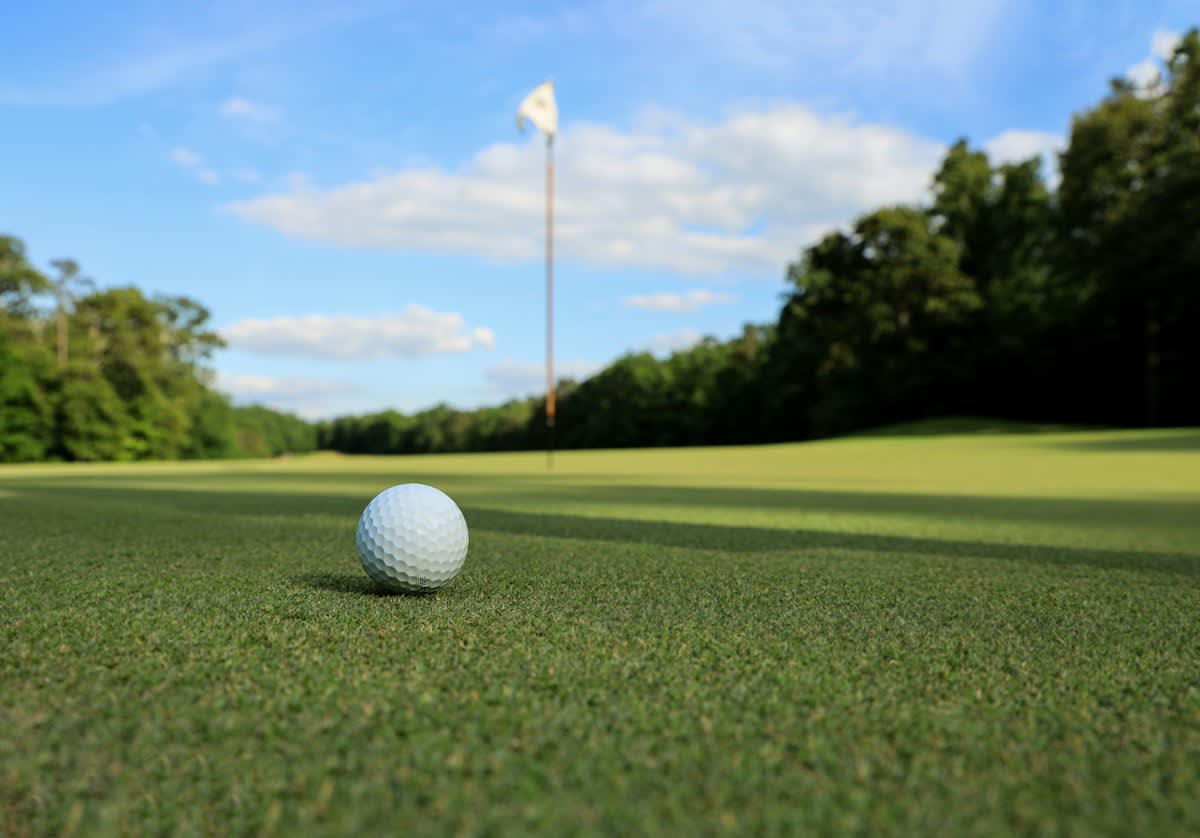
Research indicates that moving the attention outward is the most effective countermeasure. A 15-year review conducted by Wulf (2013) found that external focus—concentrating on the effect of the movement rather than the body parts performing it—consistently beats internal focus for accuracy. For a golfer in the 90210 zip code training hubs, this means looking at the hole, not the hands. By fixing the eyes on the target, the athlete bypasses the conscious interference of the prefrontal cortex and allows the motor cortex to execute the movement based on visual data. This shift transforms the act from a conscious struggle into an instinctual response.
| Focus Type | Primary Target | Performance Outcome | Source |
|---|---|---|---|
| Internal | Body Parts/Grip | Increased Error/Yips | Wulf, 2013 |
| External | Target/Effect | Higher Accuracy | Wulf, 2013 |
| Quiet Eye | Stable Fixation | 43% Variance Prediction | Vine et al., 2011 |
The friction between theory and practice is most evident in the training sessions of elite athletes. Practitioners often argue over the exact duration of the fixation; some believe a split second is enough, while others insist on a prolonged freeze. In reality, the stability of the gaze is more important than the clock. The goal is to prevent the eyes from chasing the ball or the opponent, which can pull the head and shoulders out of position. This is particularly evident in tennis, where a stable visual reference prevents the swing from being disrupted by the ball's velocity.
"P (performance) = P (potential) – I (interference). Translation: A player can only be as good as their interference — in the form of criticism and self-talk — is quiet."— The Inner Game of Tennis (Cited in The Athletic, 2026)
The Tactical Execution: SEE, STABILISE, ACT
Elite performers do not just look at their target; they lock onto it. The process follows a rigid clinical sequence designed to eliminate cognitive noise. By stabilizing the gaze, the athlete creates a visual anchor that prevents the body from reacting to peripheral distractions. This sequence is what separates a professional in a neon-burnt stadium from an amateur. The following steps outline the precise application of the Quiet Eye protocol to ensure maximum motor accuracy.
- SEE: Identify the exact point of impact or the final destination of the object. Avoid scanning the general area; pick a microscopic detail.
- STABILISE: Fix your gaze on that point. Hold the gaze for a duration that feels stable, ensuring the head and shoulders remain still. This is the Quiet Eye window.
- ACT: Begin the physical movement only after the gaze has stabilized. The movement should feel like a consequence of the visual lock, not a separate action.
- REVIEW: Immediately assess if the gaze shifted during the movement. If the eyes chased the ball, the fixation was insufficient.
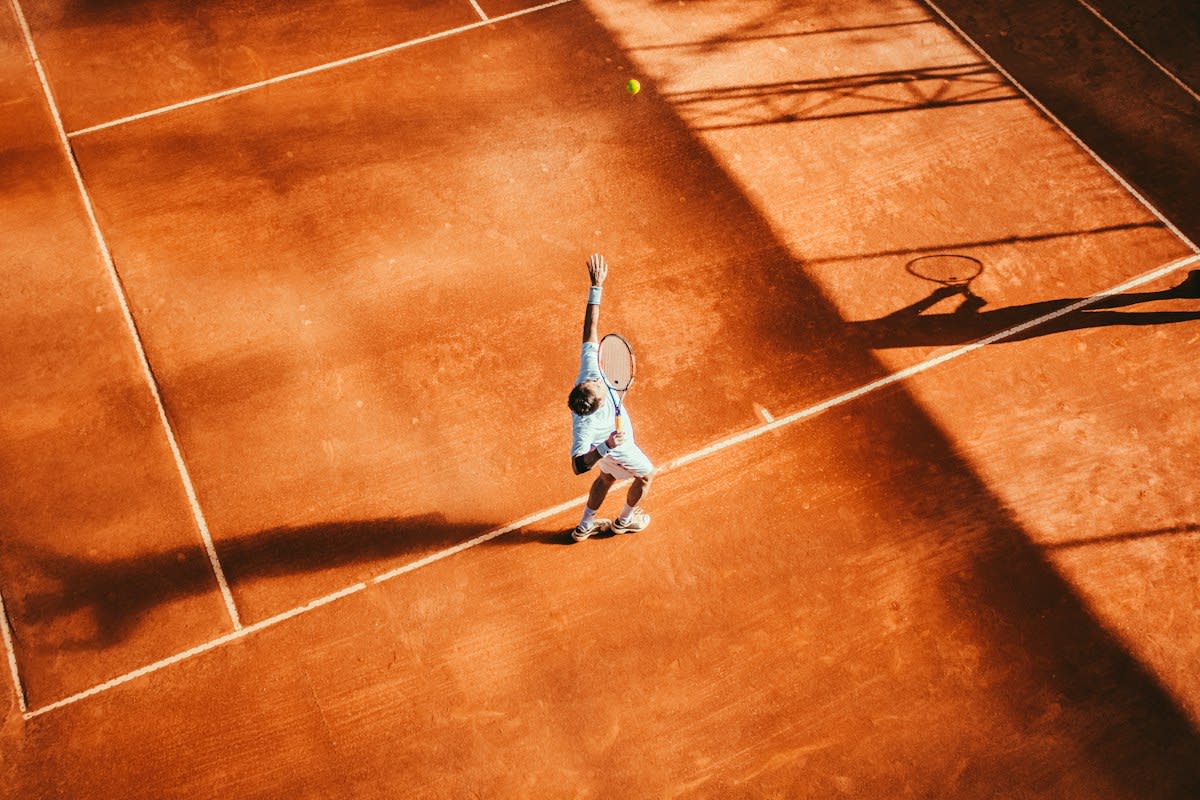
In the context of tennis, as seen with players like Roger Federer, the gaze is used as a control mechanism. A stable visual reference prevents the eyes from chasing the ball, which would otherwise pull the head and shoulders out of position and disrupt the swing. This ocular discipline ensures that the body remains aligned with the target. When the gaze is unfixed, the athlete often experiences a micro-adjustment in their posture, which leads to a missed shot. The Quiet Eye effectively acts as a gyroscope for the entire kinetic chain.
Failure Points and Common Pitfalls
The most frequent failure point is the transition from stabilization to action. Many athletes freeze their eyes but then introduce internal self-talk—the 'interference' mentioned in the performance equation. This mental noise, such as criticizing the grip or fearing the outcome, effectively cancels out the benefit of the Quiet Eye. The gaze may be still, but the mind is chaotic. To combat this, athletes must accept that noise exists and focus on the external target as the only valid data point.
- Over-fixing: Holding the gaze for too long can lead to muscle tension and rigidity.
- Internal Drift: Shifting focus to body mechanics mid-fixation (the 'Internal Focus' trap).
- Gaze Chasing: Moving the eyes with the ball before the movement is complete, disrupting alignment.
- Rushing the Window: Starting the action before the gaze has fully stabilized.
Tactical Note
The Quiet Eye protocol is most effective when paired with an external focus of attention. Research by Wulf (2013) emphasizes that focusing on the effect of the movement is superior to focusing on the movement itself. If you find yourself thinking about your elbow or wrist, you have exited the protocol and entered the interference zone.
Verification
Fact-Check & Accuracy Note: All statistics regarding the Yips (33-48% of tournament golfers) are attributed to Smith et al. (2000). The 43% variance in putting performance is attributed to Vine et al. (2011). The superiority of external focus is based on a 15-year review by Wulf (2013).