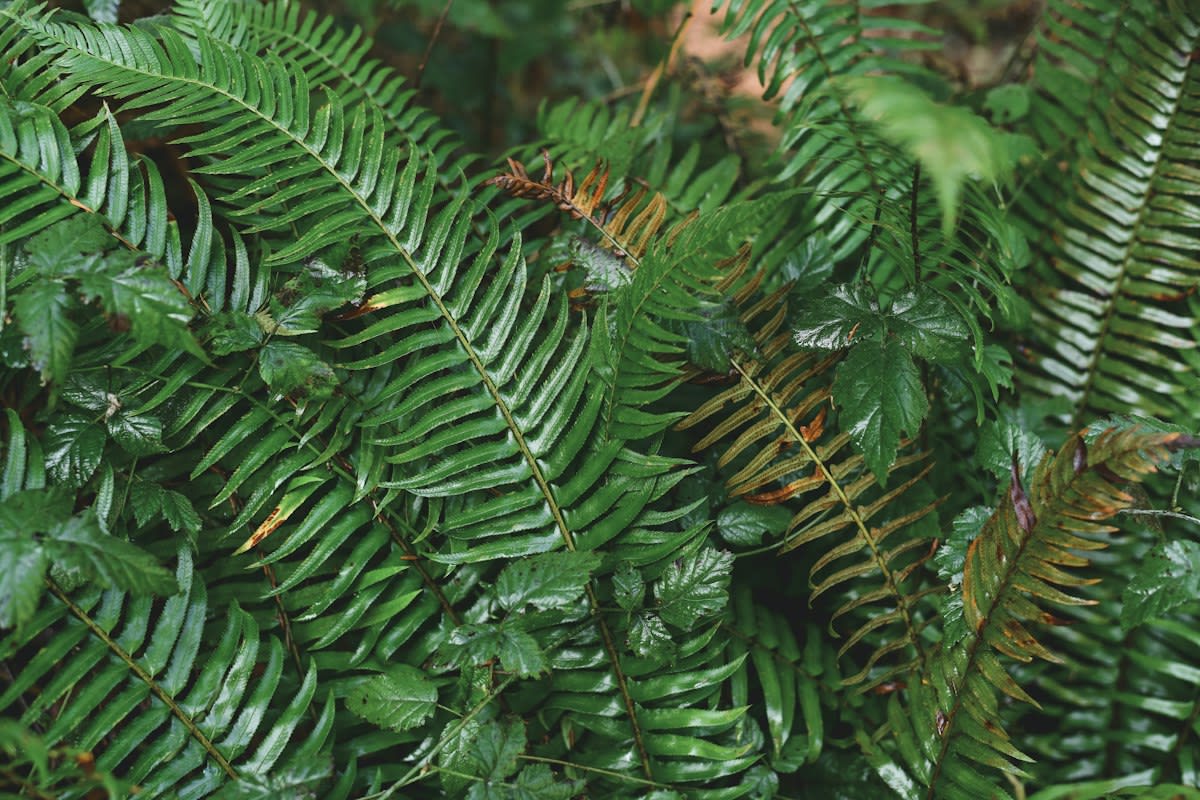
Roots hold the cure. 63% of Western Pacific countries and areas had a national policy on traditional medicine by 2024 (Source: WHO, 2024). This sudden surge in policy creation signals a desperate attempt to codify indigenous knowledge before genetic erosion wipes out rare species. The current momentum reflects a global scramble to secure botanical assets that have remained undocumented for centuries. In hubs like Nairobi, the pressure to catalog antimalarial flora has reached a fever pitch as climate pressures mount.
The Regulatory Gap in the Western Pacific
Regulatory frameworks are lagging behind the biological reality. 48% of countries in the Western Pacific have herbal-medicine regulation in place, leaving over half the region without standardized oversight (Source: WHO, 2024). This void creates a copper-scented vacuum where bioprospecting occurs without clear benefit-sharing agreements. While 12 countries have public hospitals offering traditional services, only 11 maintain a national traditional medicine research institute (Source: WHO, 2024). The delta between policy adoption and actual research capacity is widening, leaving rare herbs vulnerable to over-harvesting.
The Global Traditional Medicine Strategy 2025–2034 now dictates the pace of these efforts (Source: WHO, 2024). This strategy attempts to align national health workforces with traditional practices, yet the execution remains uneven. In many jurisdictions, the lack of systematic documentation for traditional knowledge makes it impossible to verify the authenticity of herbal claims. This creates a friction-filled environment where traditional healers and molecular biologists clash over the ownership of genetic sequences.
Nairobi and the Antimalarial Gold Rush
Kenya serves as a primary battleground for botanical preservation. Researchers are focusing heavily on Combretum padoides and other species within the Combretaceae family to isolate antimalarial compounds (Source: Plant Science Today, 2026). The Digo community's ethnodiagnostic skills have provided a lead for traditional bioprospecting, highlighting the value of indigenous expertise (Source: Plant Science Today, 2026). However, the extraction of these flavonoids often happens in rust-pitted labs with limited funding, risking the degradation of volatile compounds.
"Integrating traditional medicine into national health systems remains inconsistent and under-resourced across many countries and areas."— WHO Regional Director, Report of the Regional Director (2026)
The fight for these herbs is not just about health, but about economic survival. In the Kilifi district, traditional herbal antimalarial therapy remains a primary line of defense for many (Source: Plant Science Today, 2026). The race to synthesize these compounds in a lab often ignores the ecological cost of wild-harvesting the parent plants. When a species like Combretum becomes a target for global pharma, the local population often loses access to their own medicine.
This tension is a daily reality for field botanists. They operate in a grey zone where the laws of the state and the laws of the forest conflict. One day they are documenting the biological activities of Melaleuca viridiflora for its antimicrobial properties (Source: MDPI, 2026); the next, they are negotiating with village elders who fear their secrets will be stolen. The air in these field sites is often sulfur-thick, smelling of decaying organic matter and the raw heat of the equatorial sun.
Industrial Seed Dominance vs. Rare Varieties
Conventional seeds continue to dominate the global market, capturing more than a 54.21% share in 2025 (Source: Market.us, 2026). This dominance pushes rare, non-biotech medicinal herbs to the margins. Industrial giants like Bayer AG drive this trend, with their Crop Science division generating EUR 21.622 billion in sales in 2025 (Source: Market.us, 2026). The massive scale of corn and soybean production creates a concrete-raw monoculture that leaves little room for the biodiversity required for rare herb survival.
| Seed Category | Market Share/Value (2025) | Growth/Trend |
|---|---|---|
| Conventional Seeds | > 54.21% | Dominant |
| Bayer Crop Science Sales | EUR 21.622 Billion | Industrial Scale |
| Corn Seed & Traits | EUR 7.149 Billion | +13.2% |
| Vegetable Seeds | EUR 788 Million | Stable |
The trend toward certified seed formalization is growing at +1.4% in North America, the EU, Africa, and South Asia (Source: Market.us, 2026). While this improves yield for food crops, it often ignores medicinal herbs. Rare species do not fit into the 'certified' model because they cannot be mass-produced without losing their potency. This creates a dangerous delta where the world's food is secured, but its medicine is disappearing.
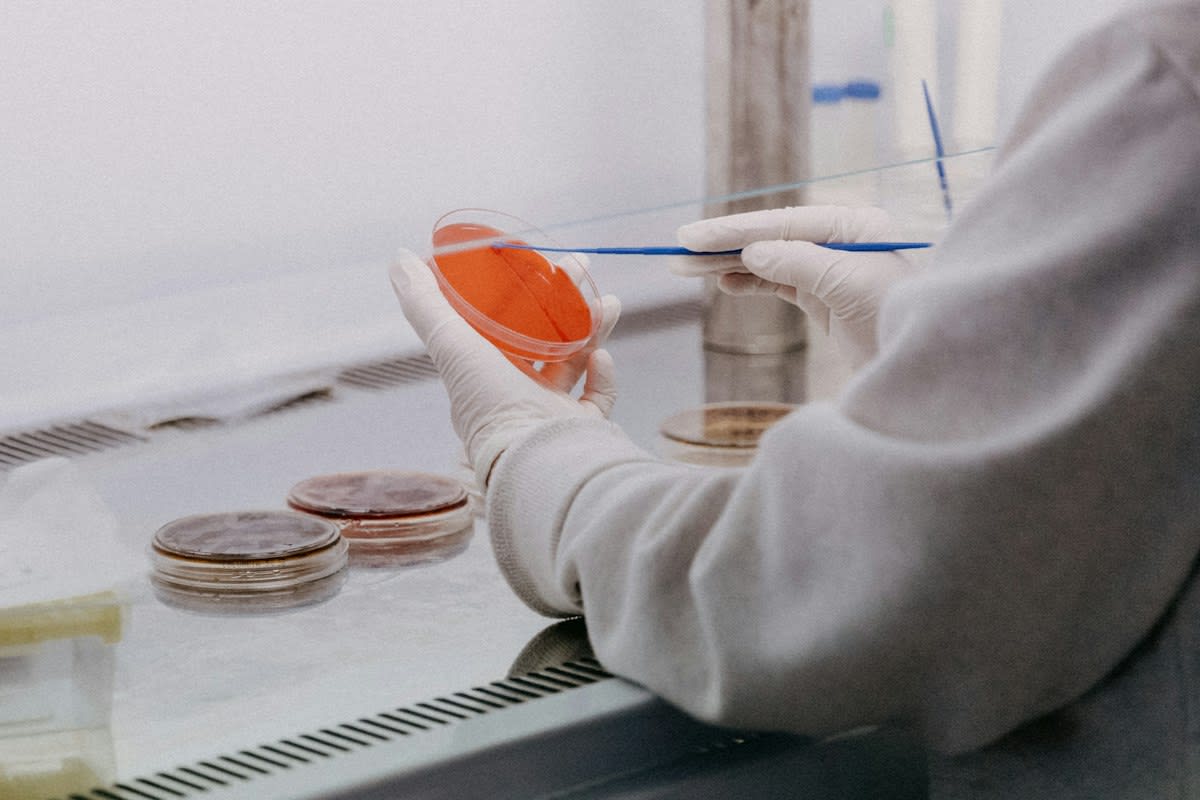
Essential oils from the genus Melaleuca are currently under intense scrutiny for their anticholinesterase activities (Source: MDPI, 2026). These oils, derived from diverse botanical families like Myrtaceae and Lamiaceae, are the targets of high-tech bioprospecting (Source: MDPI, 2026). The process of extracting these terpenoids requires grease-slicked machinery and high-pressure solvents, often in facilities far removed from the plants' origin.
Failure Point: The Documentation Void
The primary failure point in saving rare herbs is the lack of standardized practitioner qualifications and systematic documentation (Source: WHO, 2024). Without a digital ledger of traditional knowledge, the knowledge dies with the practitioners. In the Himalayan systems, indigenous knowledge is often oral, making it invisible to the bioinformatics tools used by Western universities (Source: DU Ph.D. Programmes, 2026). This invisibility leads to 'discovery' by outsiders who then patent the herb, excluding the original guardians.
Furthermore, the reliance on a few national research institutes means that most regional data is never processed. When only 11 countries in the Western Pacific have such institutes, the vast majority of botanical samples are either lost or sold on the black market (Source: WHO, 2024). The result is a fragmented data set that fails to capture the true genetic diversity of the region.
Fact-Check & Accuracy Note
All statistics regarding the Western Pacific are derived from the 2024 WHO National Health Workforce Accounts and the 2026 Regional Director's Report. Seed market data is sourced from Market.us 2025/2026 reports. Botanical data on Combretum and Melaleuca are sourced from Plant Science Today and MDPI 2026 publications.
Editorial Note
This report highlights the tension between industrial seed markets and the preservation of rare medicinal flora. The journalist notes a significant discrepancy between the policy-level commitment to traditional medicine and the actual infrastructure provided for its research.