
Pollen is not eternal. While many researchers treat the sporopollenin wall as an indestructible vault of prehistoric data, the actual chemical leaching in alkaline or oxidized soils often erases the record entirely. It is a fragile ghost. Why do we assume the record is complete? We often ignore the gaps where acidity or heat has stripped the terrain of its botanical evidence, leaving us with a skewed version of the past. This failure of preservation demands a new approach.
Prerequisites for Paleo-Botanical Recovery
Start with the soil. You must identify anaerobic environments where organic matter avoids the corrosive grip of oxygen and microbial decay over millennia. Avoid the sandy traps. In places like K'gari, a sand island off the south-eastern coast of Queensland, Australia, the dune phases require precise dating to understand the sedimentology (Source: IUGS, 2026). You will need a clean-room environment to prevent modern DNA contamination. This is non-negotiable for sedaDNA work.
- Ultra-pure silica-based extraction kits for sedimentary ancient DNA.
- High-resolution microscopy for initial pollen grain screening.
- Access to digitized herbarium records for taxonomic cross-referencing.
- Sterilized core sampling equipment to prevent surface-layer leaching.
- Bioinformatic pipelines capable of handling metabarcoding data.
The Recovery Workflow: From Core to Code
Select your site. Look for high-preservation features like the cooking pits at Rødskjær, where heated archaeological features actually provided suitable environments for sedaDNA preservation (Source: bioRxiv, 2026). Heat changes everything. While extreme fire destroys organic matter, specific thermal conditions can sometimes seal DNA within the sediment matrix, protecting it from aerobic bacteria. This is a counterintuitive win.
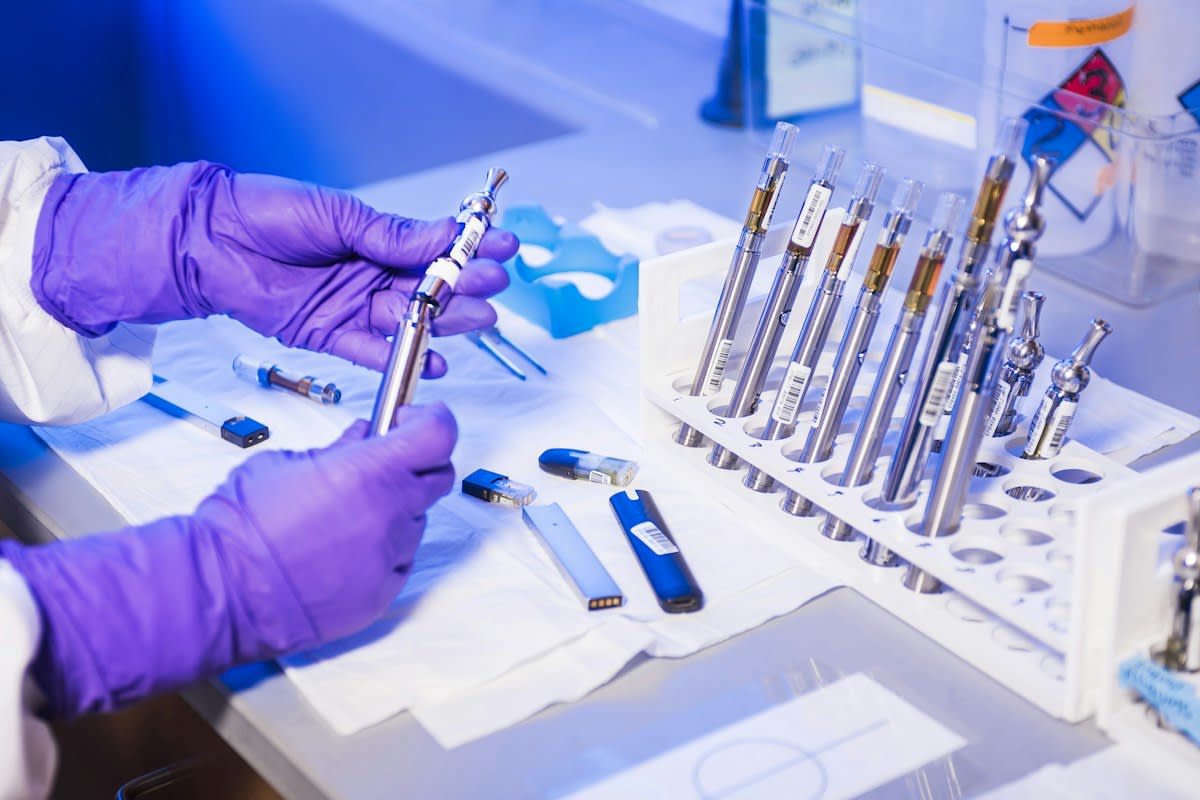
- Core Extraction: Extract sediment cores using sterile PVC tubes, ensuring no contact with skin or non-sterile tools to avoid introducing modern human DNA.
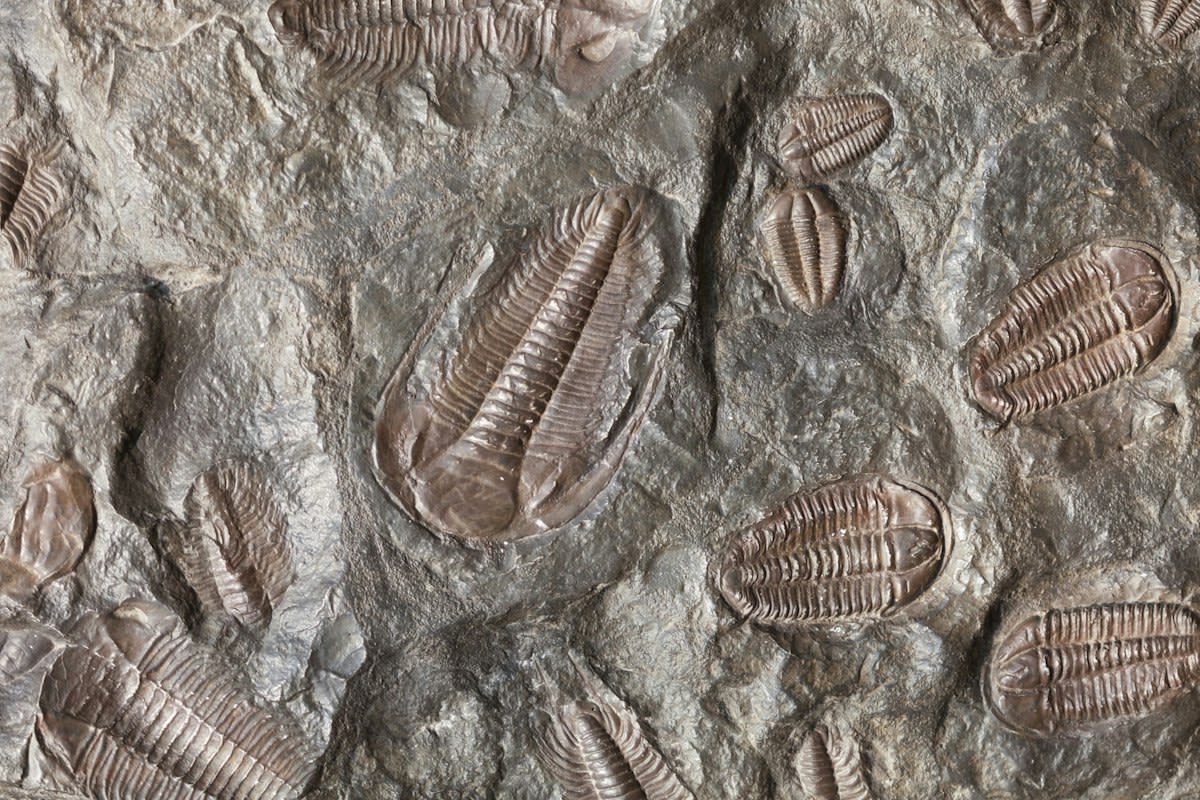
- Pollen Screening: Perform traditional palynological slides to check for surviving exine walls, as seen in the sandstone slabs of the Bromacker Quarries (Source: IUGS, 2026).
- sedaDNA Extraction: If pollen is absent or degraded, apply sedimentary ancient DNA metabarcoding to identify taxa at the species level (Source: bioRxiv, 2026).
- Taxonomic Validation: Compare recovered DNA sequences against global databases or digitized herbarium specimens, such as the 1.5 million scanned records from the Missouri Botanical Garden (Source: MoBot, 2026).
- Environmental Synthesis: Map the identified species back to the paleoclimatic drivers of the region to reconstruct the lost flora.
Verify the data. Use the Missouri Botanical Garden's digitizing project, funded by a 14.4 million dollar grant, to ensure your DNA matches known physical specimens (Source: MoBot, 2026). Digital archives save us. When the physical pollen grain has vanished, the genetic code remains the only bridge to the plants that existed 480 to 460 million years ago (Source: Wikipedia, 2026). Accuracy requires this double-check.
The Practitioner's Friction: DNA vs. Microscopy
The lab is loud. Traditional palynologists often scoff at DNA results because they cannot see the physical grain under a lens, leading to bitter arguments over what constitutes a verified find. It is a clash of eras. We fight over taphonomy. Some argue that sedaDNA is too prone to leaching, while others claim that microscopy is blind to the majority of non-pollen-producing plants. This tension slows the science.
"This brief synopsis highlights the lack of consensus about what constitutes A. africanus (unless ‘convention’ is invoked) and the phylogenetic relationship(s) of southern African Plio-Pleistocene hominins."— Gabriele A. Macho, Department of Archaeology, Environmental Changes and Geo-Chemistry at Vrije Universiteit Brussel
Focus on the gap. In southern Africa, researchers have struggled to obtain pollen from sites like Taung, forcing a reliance on other biogeographic and palaeoclimatic drivers (Source: npj Palaeoecosystems, 2026). The data is thin. When the pollen is gone, we must look at dental mineralization or geomorphological dating of cave openings to infer the environment (Source: npj Palaeoecosystems, 2026). We adapt or fail.
Search for anomalies. Look at the late Pleistocene hair and environmental DNA recovered from interior Alaska to see how cold-climate preservation differs from tropical sites (Source: bioRxiv, 2026). Ice is a preservative. In frozen terrains, the DNA is often better preserved than the pollen grains themselves, which can be crushed by glacial weight. This shifts the playbook.
Common Pitfalls and Mechanical Failures
Ignore the surface. Many novices collect samples from the top 10 centimeters of soil, which are usually saturated with modern pollen rain and contemporary DNA. This ruins the sample. You must dive deeper. The real history is buried in the lower strata where the anaerobic seal remains intact and the modern noise is filtered out. Depth is your shield.
Misread the taphonomy. As noted by Sand et al. (2024), the importance of eDNA taphonomy and sediment provenance is critical for robust ecological inference (Source: bioRxiv, 2026). DNA moves. It can leach through porous soil or be carried by groundwater, creating a false record of plants that never actually grew at that site. This is a dangerous suture.
Fact-Check & Accuracy Note
The primary academic debate centers on the mobility of sedaDNA. While traditional palynology relies on the physical presence of a grain, DNA can migrate vertically through sediment layers. Verifying results requires cross-referencing with physical fossils (Source: IUGS, 2026) and digitized herbarium data (Source: MoBot, 2026).
Editorial Note
This guide prioritizes the integration of sedaDNA and traditional microscopy. The shift toward metabarcoding allows for species-level identification that was previously impossible with degraded pollen samples.
Embrace the fray. The transition from looking through a lens to reading a sequence is difficult for the old guard. It requires a new kind of trust. However, the ability to identify taxa to the species level using metabarcoding far exceeds the resolution of traditional pollen analysis (Source: bioRxiv, 2026). The future is digital.