
The Fallacy of the Average Human
For decades, nutrition has been treated as a math problem. We were told to count calories, balance macros, and follow pyramidal guidelines designed for a theoretical average person. But the average person does not exist. Two individuals can eat the exact same banana and experience wildly different glycemic responses; one may see a stable curve, while the other spikes into a pre-diabetic range. This biological variance is the crack in the foundation of universal nutrition, and it is finally splitting wide open.
Metabolic tuning represents the transition from this static approach to a dynamic, feedback-driven system. It is no longer about what a food contains, but how a specific body processes that food in real-time. This shift moves the conversation away from restrictive dieting and toward biological optimization. We are seeing a global pivot where the goal isn't weight loss in isolation, but the stabilization of metabolic markers to enhance cognitive function, sleep quality, and long-term resilience.
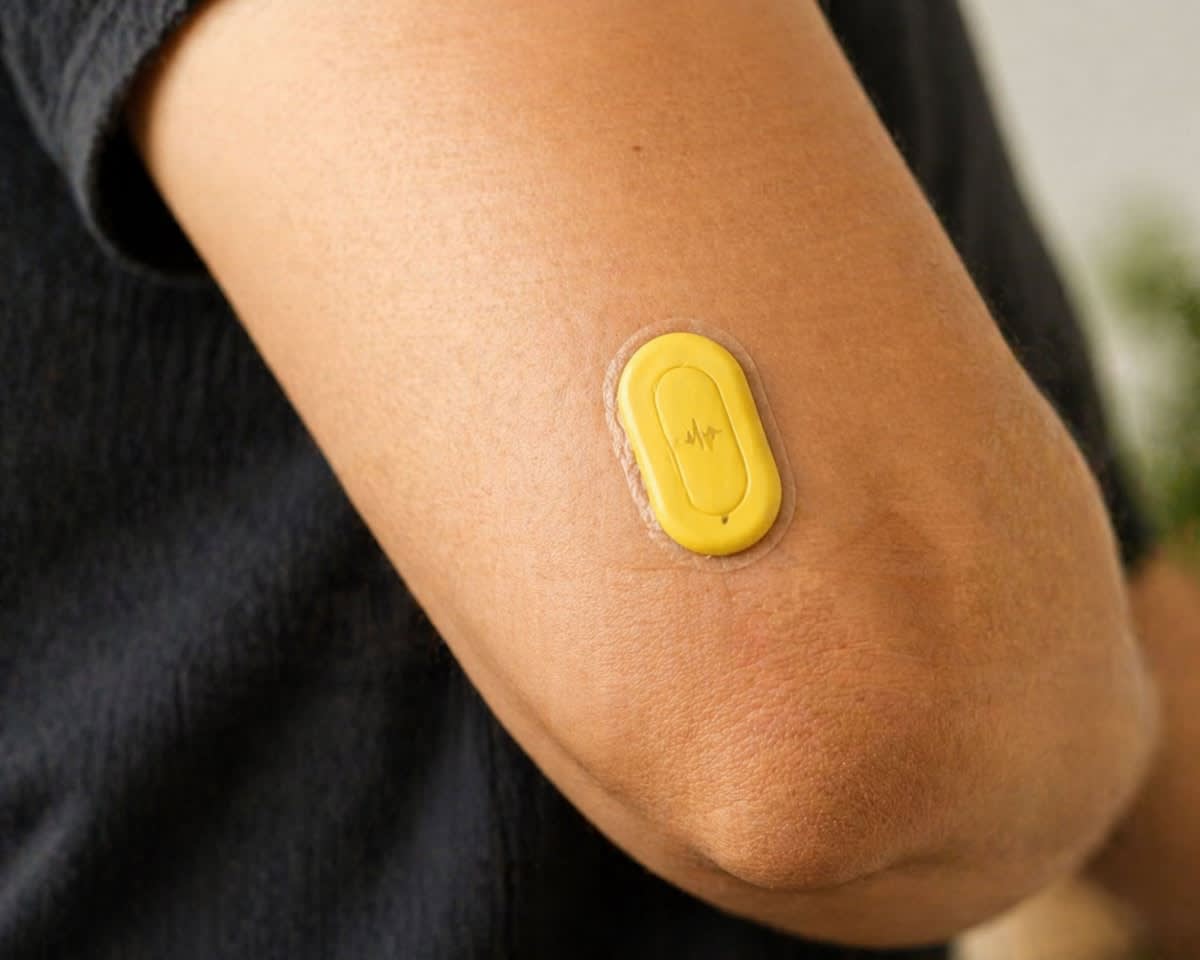
The delta over the last twelve months has been staggering. A year ago, Continuous Glucose Monitors (CGMs) were almost exclusively the domain of Type 1 diabetics or the extreme fringes of the Silicon Valley biohacking community. Today, they are appearing in high-end wellness clinics from Seoul to Zurich and in the training regimens of professional athletes in Brazil. The technology has migrated from a medical device to a lifestyle dashboard, allowing users to see the immediate impact of a sourdough slice or a morning jog on their blood chemistry.
"The calorie is a crude instrument. We are finally moving toward a high-resolution understanding of human metabolism where the individual's data overrides the textbook."— Dr. Elena Rossi, Metabolic Health Researcher
The Hardware of Hyper-Personalization
The catalyst for this shift is the convergence of affordable sensor hardware and machine learning. Metabolic tuning relies on a closed-loop system: sense, analyze, adjust. By tracking interstitial fluid glucose levels every few minutes, users can identify their specific trigger foods. Some find that oats cause a massive crash, while others find that white rice is metabolically silent. This removes the guesswork and the guilt associated with traditional dieting, replacing it with empirical evidence.
This isn't just about glucose. The next wave involves integrating microbiome sequencing and genetic markers to create a truly holistic metabolic profile. In Singapore, new health hubs are combining gut biome analysis with real-time glucose tracking to prescribe 'precision diets' that vary by the hour. They are treating nutrition as a software update for the body, adjusting inputs based on the current biological state—whether that is a state of high stress, recovery, or peak performance.
| Feature | Universal Nutrition (Old) | Metabolic Tuning (New) |
|---|---|---|
| Primary Metric | Calories / Macros | Glycemic Response / Biomarkers |
| Guideline Source | Population Averages | Individual Real-Time Data |
| Feedback Loop | Delayed (Scale/Mirror) | Instant (Wearable Sensors) |
| Goal | Weight Management | Metabolic Flexibility & Resilience |
Why does this matter for the general population? Because metabolic inflexibility—the inability of the body to switch efficiently between burning carbs and fats—is a primary driver of modern fatigue and chronic illness. When we tune our metabolism, we are essentially training our cells to be more efficient. This isn't about deprivation; it's about strategic timing. It's the difference between eating a carbohydrate when your body can handle it and eating it when it will trigger a systemic inflammatory response.
The Glucose Paradox
The Glucose Paradox: A food labeled as 'healthy' by global standards, such as certain whole-grain cereals, can cause a sharper insulin spike in some individuals than a piece of dark chocolate. This discrepancy proves that the food's label is less important than the body's reaction.
Economic Shifts and the Precision Market
The economic implications are profound. We are witnessing the birth of the Precision Nutrition market, which is projected to grow at a CAGR of approximately 15% over the next five years. This is disrupting everything from the supplement industry to the way grocery stores operate. We are moving away from 'mass market' health products toward bespoke formulations. Imagine a world where your vitamin supplement is 3D-printed every morning based on the data your wearable sent to the cloud overnight.
In Europe, we see a rise in 'metabolic pharmacies' that offer personalized nutrient blends based on continuous monitoring. This shift is moving the profit center of health from the treatment of chronic disease to the maintenance of optimal function. The focus is no longer on preventing a crash, but on maintaining a high-performance plateau. This is a fundamental reimagining of the relationship between the consumer and their fuel.
Adoption of Non-Medical Metabolic Tracking (Estimated % of Health-Conscious Adults)
Executive Insight
+18.4%
YTD Growth
However, this transition is not without its frictions. The democratization of this data creates a new divide: the 'biologically informed' versus the 'biologically blind.' Those with the means to tune their metabolism gain a significant edge in cognitive longevity and physical resilience. The challenge for the next decade will be scaling these technologies so that metabolic tuning isn't just a luxury for the elite, but a standard of care for the global population.
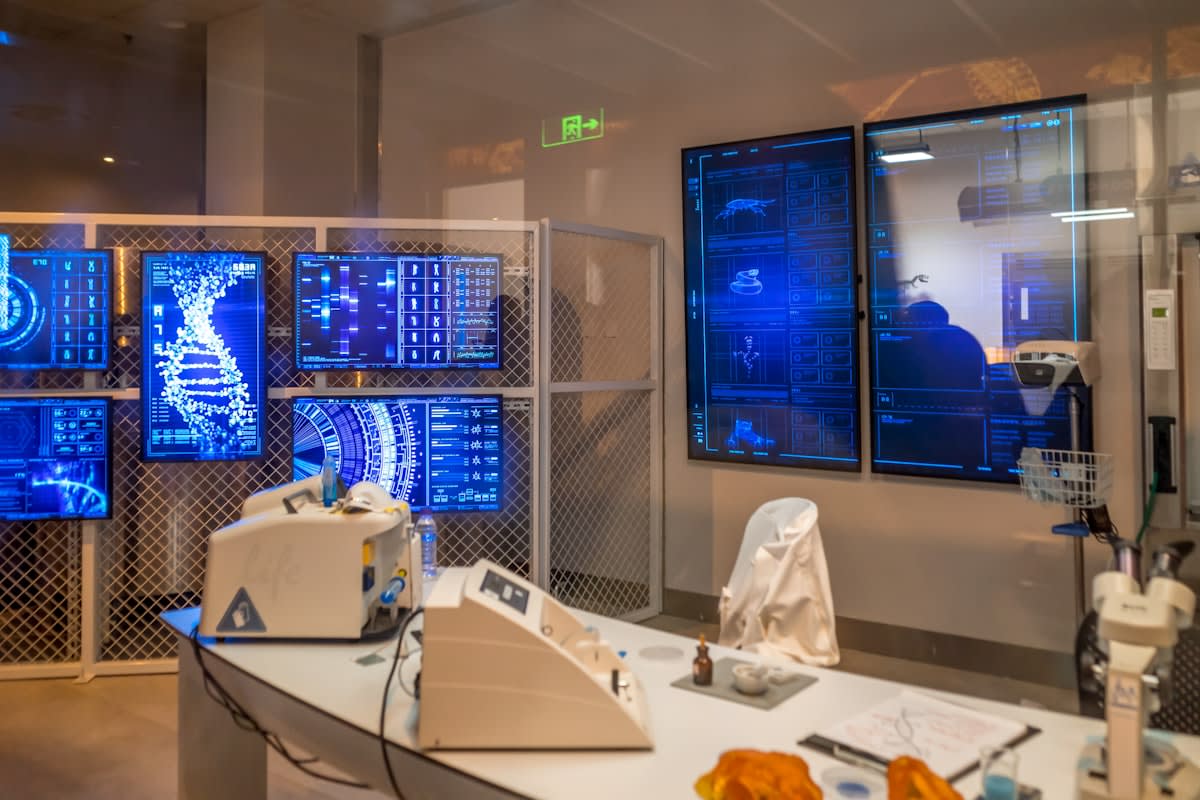
Ultimately, the end of universal nutrition is a victory for human agency. We are stopping the cycle of failed diets and 'willpower' narratives. When you can see that a specific food causes a brain-fog-inducing glucose crash in real-time, you don't need willpower to stop eating it; you have a logical reason to avoid it. We are replacing the morality of food with the physics of metabolism, and in doing so, we are unlocking a new level of human resilience.
As we look toward the horizon, the integration of AI will further refine this. We are approaching a state of 'autonomous nutrition,' where AI assistants will suggest meal adjustments in real-time based on your current cortisol levels, sleep debt, and glucose trends. The calorie count will become a footnote, a relic of a time when we thought we were all the same. The future is tuned, precise, and profoundly individual.