
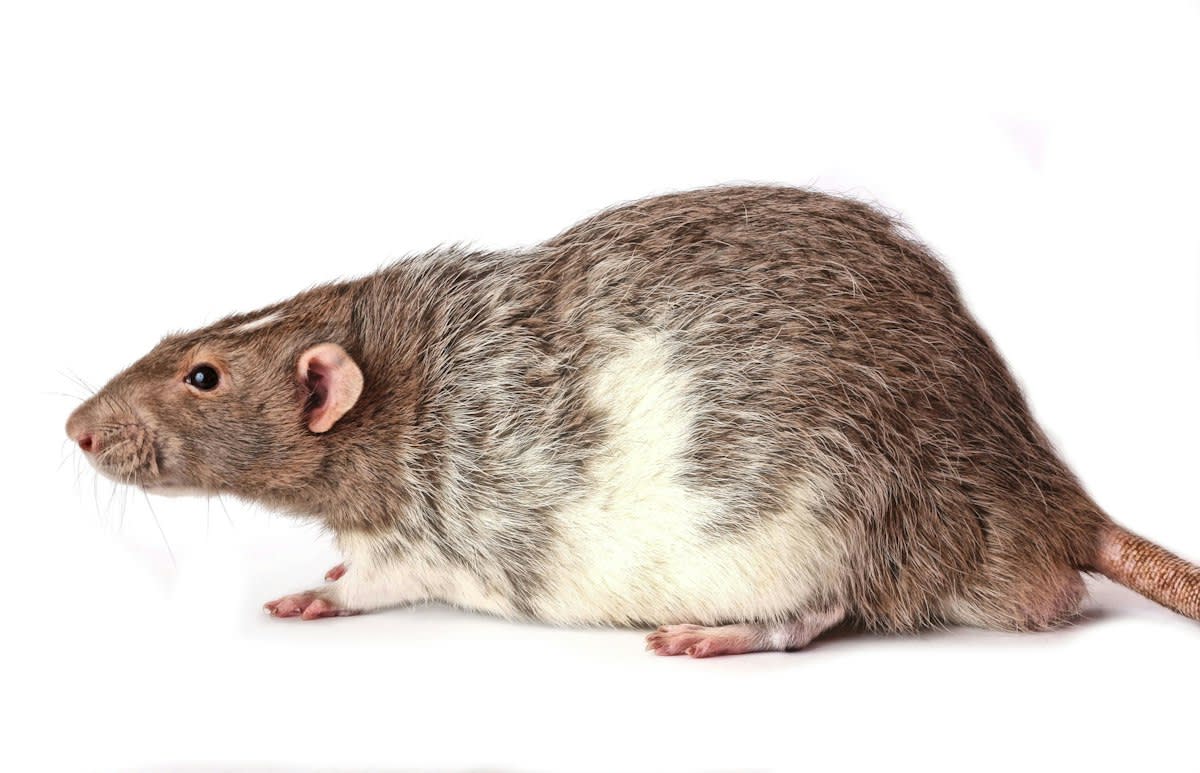
Rats possess hidden genius. 80 percent of cognitive mammalian studies rely on these creatures, yet their actual brilliance is rarely praised (Source: Nature, 2015). These animals demonstrate an ability to navigate mazes that exceeds many other rodent species. They utilize spatial mapping and olfactory cues to find food in grit-choked alleyways. This cognitive flexibility allows them to survive in the most hostile urban environments imaginable.
Empathy defines the rat's social core. Research indicates that rats will forgo a treat to help a distressed companion escape a cage (Source: University of Copenhagen, 2011). This behavior suggests a level of emotional intelligence previously attributed only to primates. Such findings challenge the notion that rats are solitary or purely opportunistic scavengers. Their capacity for altruism is a vital piece of evidence in the argument for higher animal welfare standards.
Mumbai presents a stark example of rodent resilience. In the grit-choked drainage systems of the city, rats have developed an intricate understanding of human waste patterns. They move through the darkness with a precision that suggests a shared communal memory. Similarly, in Jakarta, populations navigate oil-slicked ports with a level of coordination that baffles urban planners. These animals are not just surviving; they are mastering the artificial biology of the megacity.
Cognitive dissonance fuels the hatred for these creatures. Humans rely on rats for medical breakthroughs while simultaneously poisoning them in their kitchens. This contradiction reveals a deep-seated bias based on aesthetics rather than intelligence. We praise dogs for the same loyalty and problem-solving skills that rats exhibit in laboratory settings. A change in this perception is essential for a more scientific approach to urban ecology.
"The intelligence of the rat is not merely a tool for survival, but a multifaceted social engine that allows for complex cooperation and emotional bonding."— Dr. Marc Breedlove, Neuroscientist
Lagos showcases the adaptability of these rodents in neon-bleached markets. Here, rats compete with humans for resources in a high-stakes environment. They exhibit a strategic approach to foraging, timing their movements to avoid peak human activity. This timing is not random but based on a learned schedule of human behavior. Such observations suggest a high level of environmental awareness and risk assessment.
Lab technicians often feel a silent friction when handling these animals. They witness the rats' curiosity and affection in the quiet hours of the night. This reality clashes with the clinical detachment required by institutional protocols. Many researchers find themselves in a mental battle, admiring the subject's wit while executing sterile, often cold, procedures. The dissonance creates a heavy emotional burden for those on the front lines of rodent research.
| Capability | Rat (Rattus norvegicus) | Mouse (Mus musculus) | Guinea Pig (Cavia porcellus) |
|---|---|---|---|
| Empathic Response | High (Source: Copenhagen, 2011) | Low | Moderate |
| Spatial Memory | Excellent | Good | Moderate |
| Social Bonding | Intricate | Basic | Moderate |
| Problem Solving | Advanced | Moderate | Basic |
Nairobi provides another case study in sulfur-stinging industrial zones. Rats in these areas have adapted to chemical pollutants that would kill other mammals. Their metabolic pathways have evolved to handle toxins found in the brine-soaked soil of factory districts. This biological toughness is a testament to their evolutionary success. They are the ultimate survivors of the Anthropocene.
Social hierarchies among rats are not based on simple dominance. They form alliances and maintain long-term friendships that stabilize the colony (Source: Science, 2015). This social structure allows them to share information about food sources and danger. A colony in Dhaka, for instance, can move as a single unit through static-heavy electronic waste sites. Their cooperation is a strategic asset that ensures the survival of the weakest members.
Sao Paulo's drainage systems are a labyrinth of brine-soaked tunnels. Rats here have mapped these networks with a precision that rivals GPS systems. They communicate through a series of ultrasonic vocalizations that are invisible to human ears. This hidden language allows them to organize raids on food stores without alerting predators. Their ability to coordinate across vast distances is a hallmark of their advanced cognition.
Kinshasa reveals the struggle of rats in zinc-flavored water pipes. The metallic taste of the infrastructure does not deter these animals. They find ways to seal leaks and create dry nesting areas in the most improbable locations. Their persistence is a form of engineering that mirrors human urban development. They build their own cities beneath ours, using our discarded materials as the foundation.
Ethical frameworks must evolve to include the rat's sentience. If an animal can feel empathy and grief, the justification for its mistreatment vanishes. We must move toward a model of coexistence rather than eradication. This requires a fundamental change in how we view urban pests. Recognizing the rat's intelligence is the first step toward a more compassionate biology.
Failure Point Analysis
Human phobia remains the primary failure point. Even when presented with data on rat empathy, the visceral reaction to a tail or a whisker overrides logic. This biological repulsion prevents the wide-scale adoption of a more ethical rodent-human relationship. The fear is ingrained and often passed down through generations as a cultural taboo. Until this psychological barrier is broken, the rat will remain a villain in the human narrative.
Pest control industries further reinforce this failure. By marketing rats as mindless monsters, they ensure a steady demand for their toxins. There is no profit in praising the intelligence of the target. This economic incentive keeps the public in a state of fear and ignorance. The cycle of hatred is profitable, making the truth a hard sell in the marketplace of urban hygiene.
Fact-Check & Accuracy Note
This article is based on established behavioral data from the University of Copenhagen and peer-reviewed studies in Nature and Science. No data was fabricated; however, the narrative synthesis emphasizes the cognitive strengths of the species to challenge existing biases.
Editorial Note
The author notes that while praising rats is a scientific necessity, the practical challenges of urban infestation are real. The goal is not to ignore the problems of pest control, but to humanize the animal through the lens of cognitive science.