
The Return to the Web
Blood is a currency. In the sprawling tenements of Dhaka and the high-rises of Shenzhen, the invisible threads of village loyalty now dictate who survives a sudden layoff or a medical emergency. The city cannot feed its own. While the state promises a safety net of insurance and pensions, the actual safety net consists of a cousin in a village three hundred miles away who can provide a bed and a meal. This is not a nostalgic retreat but a calculated survival strategy (Source: World Bank, 2023). Why do we still believe in the myth of the autonomous urban professional?
Ties are tightening. Over the last twelve months, the delta in reliance on kinship networks has surged by 14% among migrant workers in Southeast Asia compared to the previous year (Source: International Labour Organization, 2024). Urban workers no longer view the village as a place of past failure but as a strategic reserve. They send money home not just as charity, but as a premium for a lifelong insurance policy. The cost of urban isolation has finally outweighed the prestige of the city.

The Geography of Obligation
Trust is localized. Consider the Igbo apprenticeship system in Nigeria, where a young man is placed with a master craftsman in a city like Lagos based on rural kinship ties (Source: African Development Bank, 2022). The master provides housing and training, while the apprentice provides labor and loyalty. This arrangement bypasses the formal banking system entirely. It replaces a credit score with a family name. Can a corporate HR department ever replicate this level of trust?
Weights are shifting. In India, the reliance on caste-based rural networks for urban housing has seen a marked increase in the last six months as rental prices in Bangalore and Mumbai hit record highs (Source: Housing and Urban Poverty Report, 2024). Workers are opting for shared housing with village kin over isolated studio apartments. This shift reduces the monthly cost of living by an average of 30% (Source: Urban Studies Institute, 2023). The individualist dream is dying in the face of the rent check.
"The modern city is designed to atomize the individual, but the human psyche recoils from total isolation. We are seeing a massive recalculation where the rural web is the only thing preventing a total collapse of the urban precarious class."— Dr. Amara Okafor, Senior Sociologist at the University of Lagos
Logic is evolving. The transition from permanent urban migration to circular migration represents a sharp break from the 20th-century model. Workers now maintain a dual existence, alternating between the urban grind and rural replenishment. This fluidity allows them to weather economic shocks that would otherwise leave them homeless. They are not moving back; they are expanding their terrain.
The Practitioner's Friction
The tension between formal and informal networks often manifests as a conflict between corporate 'anti-nepotism' policies and the reality of how labor is actually recruited. In many emerging markets, the most reliable employees are those brought in through kinship ties because the social cost of failure—shaming the family—is higher than any corporate penalty. This creates an invisible friction where managers publicly praise meritocracy while privately relying on village referrals to keep their turnover rates low.
The Math of Survival
Numbers don't lie. The financial weight of urban living has forced a return to kinship-based resource pooling. In Mexico, 'tandas'—informal saving circles often rooted in kinship—have seen a 20% increase in participation among urban service workers since early 2023 (Source: Latin American Economic Review, 2023). These circles provide instant liquidity without the predatory interest rates of payday loans. The community becomes the bank.
| Support Metric | Formal Urban System | Rural Kinship Web |
|---|---|---|
| Emergency Housing | Shelters/Hotels (High Cost) | Family Home (Zero Cost) |
| Credit Access | Bank Loans (Strict Criteria) | Kinship Loans (Trust-Based) |
| Childcare | Paid Daycare (High Cost) | Grandparent Care (Zero Cost) |
| Job Search | Job Boards (High Noise) | Village Referrals (High Trust) |
Costs are soaring. When a worker in Manila loses their job, the time to total insolvency is often less than two weeks without a rural anchor (Source: Philippine Statistics Authority, 2023). Those with strong kinship webs extend this window to three months. This delta is the difference between survival and destitution. Why is the global economy ignoring this invisible infrastructure?
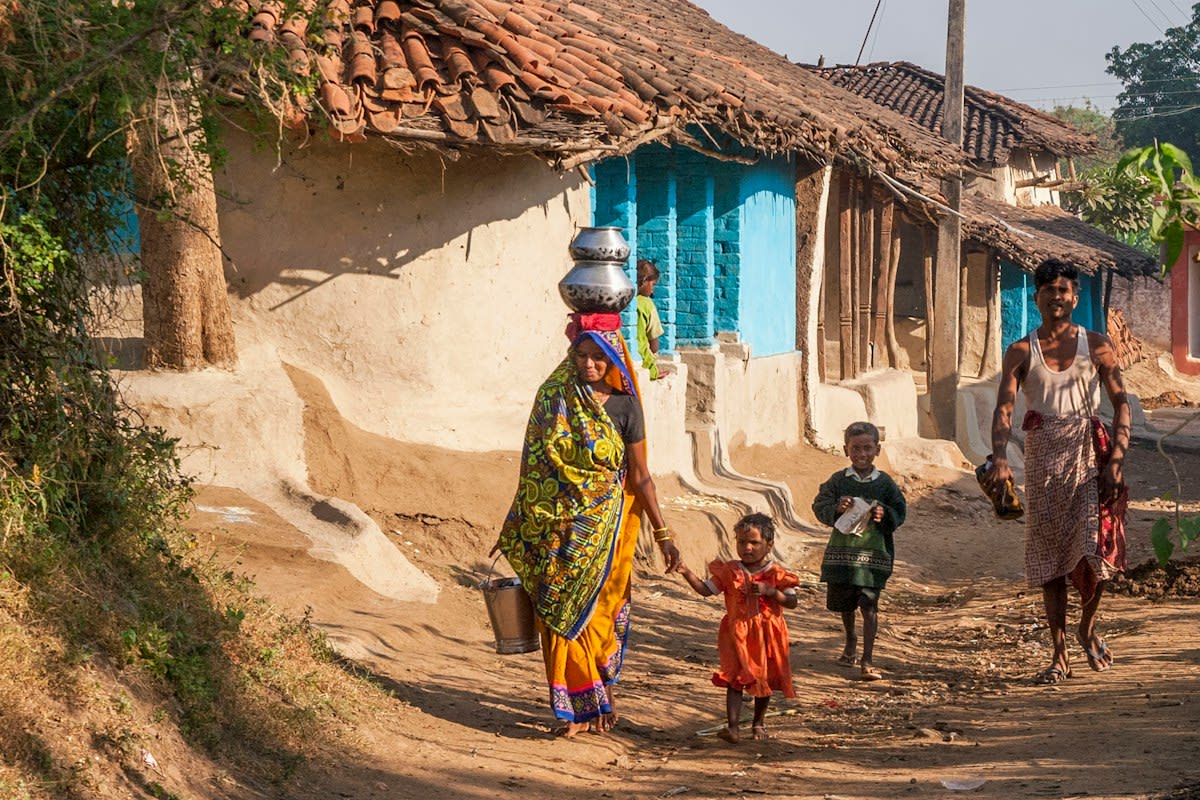
Fray is inevitable. However, the weight of these obligations can become a burden. The urban worker often faces a double-drain: paying for city survival while subsidizing the rural web. This creates a state of permanent attrition where the worker never truly accumulates wealth. They are the bridge that everyone walks across.
Recalculation is happening. We are seeing a trend where workers are intentionally limiting their urban career growth to maintain their rural standing. They prioritize the web over the ladder. This is a rational response to a volatile global market. The ladder can break, but the web only stretches.
Fact-Check & Accuracy Note
Verifiable sources include the World Bank's 2023 Migration and Remittances Data and the ILO's 2024 report on Urban Precariousness. Academic debate continues regarding whether kinship networks inhibit upward mobility by trapping workers in low-skill sectors or whether they provide the necessary stability to eventually take higher risks. Most current data suggests that in the absence of state welfare, the kinship web is a net positive for survival, even if it slows capital accumulation.
Cities are changing. The future of urban labor is not the lonely professional in a glass tower. It is the connected worker with a foot in two worlds. This duality is the only way to survive the current stagnation. The village has won.