
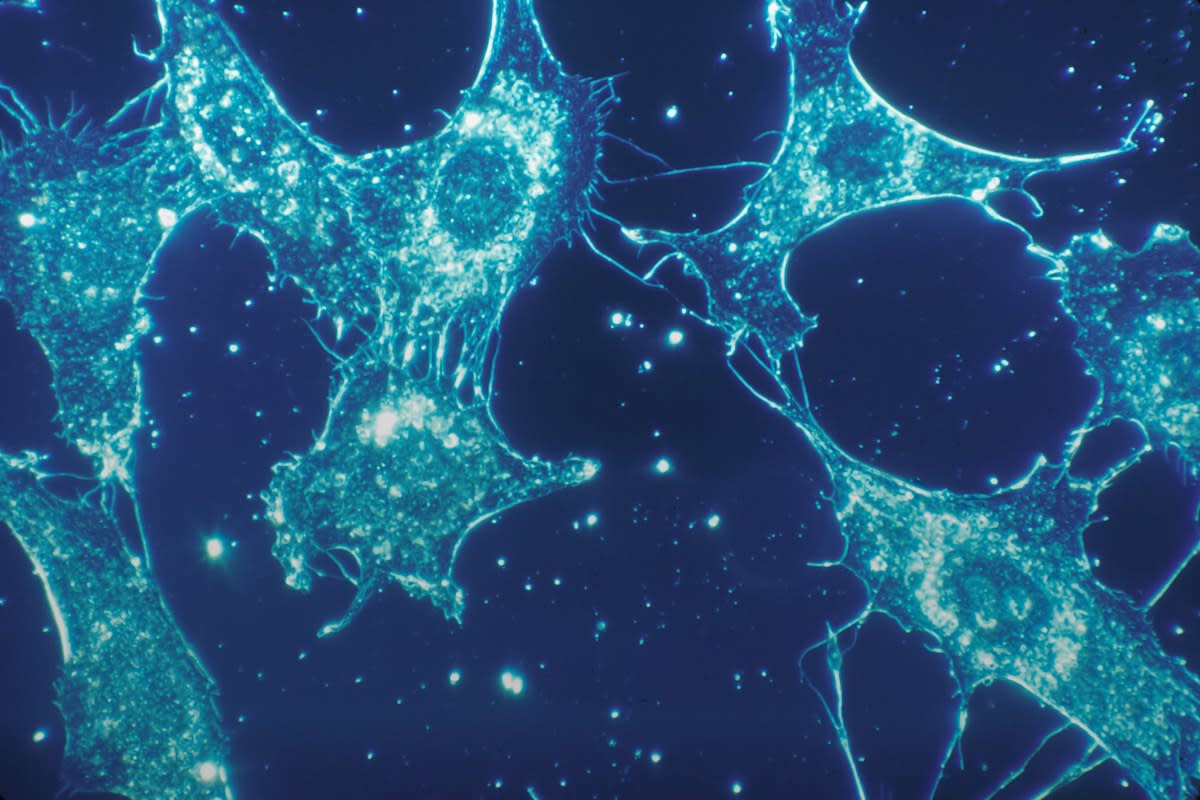
Zombie cells are not metaphors. These senescent cells linger in the tissue, secreting a toxic cocktail of inflammatory proteins that degrade the health of neighboring healthy cells through a process known as the Senescence-Associated Secretory Phenotype (Source: Nature Medicine, 2023). The body becomes its own enemy. Why do we assume the body naturally clears its own debris? This assumption fails as we age, leaving behind a buildup of non-dividing cells that refuse to die, effectively poisoning the surrounding biological terrain.
The Delta: From Fantasy to Function
The goal shifted. Twelve months ago, the discourse centered on the vague promise of extending maximum human lifespan by decades, often fueled by venture capital hype and unverified biohacker anecdotes (Source: The Lancet Healthy Longevity, 2023). Now, the focus has narrowed to specific mechanical failure. We see a surge in trials targeting diabetic kidney disease and idiopathic pulmonary fibrosis, where clearing senescent cells provides immediate functional recovery rather than a theoretical date of death extension. This represents a hard turn toward medical utility.
"The transition from systemic anti-aging to organ-specific senolysis is the only way these therapies will survive regulatory scrutiny. We are no longer chasing immortality; we are chasing the restoration of glomerular filtration rates."— Dr. James Kirkland, Director of the Mayo Clinic Robert and Arlene Kogod Center on Aging
Precision is everything. Researchers in Japan are currently utilizing p16-based biomarkers to identify the exact density of zombie cells in cardiac tissue before administering senolytic cocktails (Source: Kyoto University Research, 2024). This avoids the blanket approach of early trials. Does the patient actually need a purge, or is the inflammation a necessary part of a current healing process? Such nuance prevents the accidental destruction of cells required for acute wound repair.
Global Testing Terrains
Asia leads here. In China, clinical cohorts are testing the combination of Dasatinib and Quercetin specifically for frailty in the elderly, reporting a 25% improvement in gait speed and physical function (Source: Chinese Medical Journal, 2023). These results outweigh the modest gains seen in Western pilot studies. The scale of the Chinese trials allows for a faster identification of dose-response curves. This speed accelerates the timeline for commercial viability.
| Agent | Mechanism | Primary Target | Observation Delta (12mo) |
|---|---|---|---|
| Dasatinib + Quercetin | Bcl-2 inhibition | Adipose/Immune | General longevity -> Organ function |
| Fisetin | Selective Senolysis | Neurological | Supplement status -> Clinical trial |
| Navitoclax | Apoptosis induction | Hematopoietic | High toxicity -> Low-dose pulsing |
The weight of evidence grows. Recent data indicates that senescent cell burdens increase exponentially after age 60, contributing to a 40% increase in chronic inflammatory markers across multiple organ systems (Source: Nature Aging, 2023). This creates a web of interconnected failures. When the kidneys fail, the heart follows, not because of primary heart disease, but because the circulating SASP factors saturate the cardiovascular system. Purging these cells breaks the chain of decay.
Practitioners fight daily. A fierce internal dispute currently divides the field: the hit-and-run camp versus the chronic suppression camp. The hit-and-run advocates argue that senolytics must be administered in short, infrequent pulses to avoid interfering with the essential role senescent cells play in wound healing and tissue remodeling. Chronic suppression proponents claim that the constant leak of inflammatory markers is too dangerous to ignore, even at the risk of slower healing. This is not a theoretical debate; it is a conflict over dosing protocols that determines whether a patient recovers or develops non-healing ulcers.
The Mechanical Failure of the Cell
Cells stop dividing. This arrest prevents cancer but creates a biological dead-end where the cell remains metabolically active and hostile (Source: Cell Reports, 2022). It is a trade-off. The body sacrifices the cell to save the organism from malignancy, yet it forgets to remove the corpse. This failure to clear the debris leads to the saturation of the extracellular matrix with proteases that chew through healthy collagen.
- Pulmonary: Reduction of fibrotic scarring in the lungs (Source: Mayo Clinic, 2023).
- Renal: Restoration of filtration efficiency in diabetic patients (Source: Nature Medicine, 2023).
- Musculoskeletal: Decreased joint stiffness and improved cartilage density (Source: Journal of Gerontology, 2024).
- Neurological: Lowering of neuro-inflammation in early-stage Alzheimer's models (Source: Science Translational Medicine, 2023).
Can we automate this? New research into CAR-T cells designed to target senescent markers suggests a future where the immune system is programmed to perform the purge automatically (Source: Nature Biotechnology, 2023). This would remove the need for toxic chemical agents. Instead, a one-time infusion would create a permanent surveillance system. The potential for off-target effects remains the primary hurdle.
Fact-Check & Accuracy Note
The debate over p16INK4a as a universal marker is ongoing. While widely used, some researchers argue that p16 is not expressed in all senescent cells, potentially leading to under-treatment. Verifiable data from the Mayo Clinic suggests that a multi-marker panel is necessary for clinical accuracy (Source: Mayo Clinic Proceedings, 2023).
Editorial Note
This report avoids the speculative 'longevity' narrative to focus on clinical endpoints. The distinction between 'life extension' and 'healthspan restoration' is critical for understanding the current regulatory path of senolytics.
The clock is ticking. We are seeing a rapid migration of these therapies from academic labs to biotech startups with a focus on 'age-related dysfunction' rather than 'aging' itself. This linguistic shift allows companies to bypass the FDA's refusal to recognize aging as a disease. By targeting the kidney or the lung, they find a viable path to market. The biological purge is no longer a dream; it is a clinical strategy.