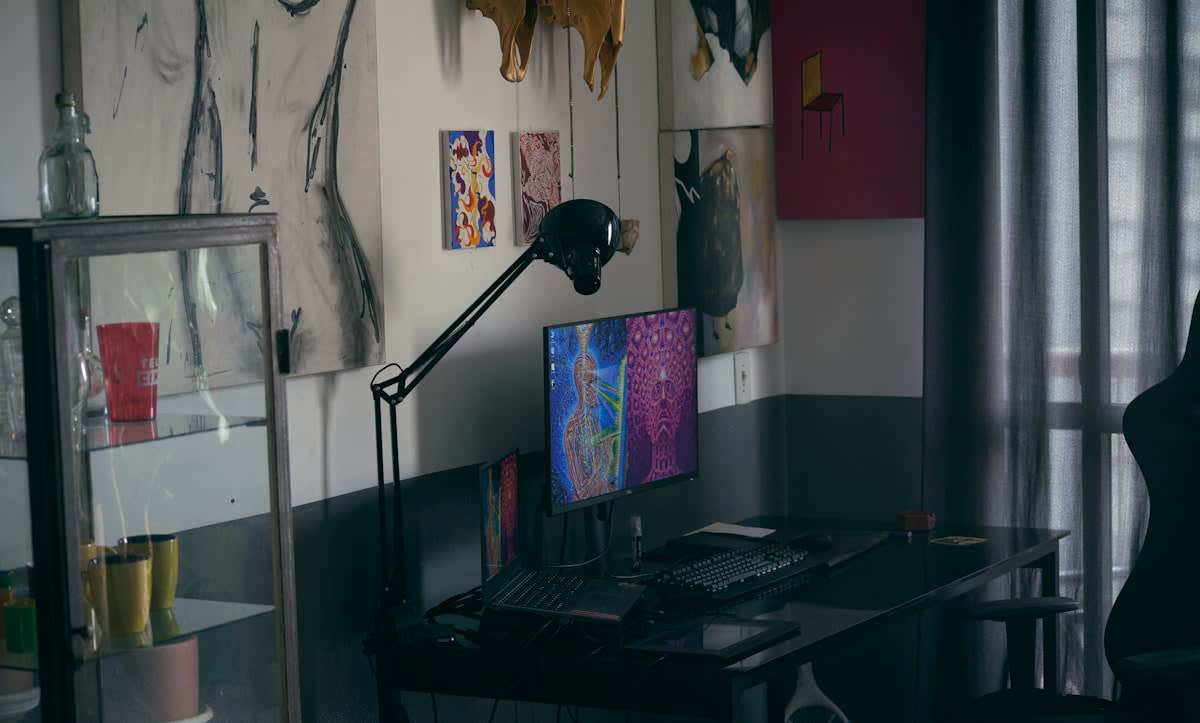
Your brain is a filter, but in the modern workspace, that filter is clogged. We operate under the delusion that we can simply 'ignore' the hum of a server, the flicker of a fluorescent light, or the distant chatter of a colleague. In reality, your prefrontal cortex is working overtime to suppress these inputs, consuming precious glucose and cognitive energy before you have even typed a single word. I have spent over a decade designing high-performance environments for executives and creatives globally, from the minimalist hubs of Stockholm to the chaotic density of Tokyo. The conclusion is always the same: willpower is a finite resource, and relying on it to maintain focus in a high-stimulus environment is a losing strategy.
The Prerequisites: Your Sensory Toolkit
Before you begin the physical reconfiguration of your space, you need the right tools. You cannot 'will' a noisy room into silence; you must mechanically intercept the stimulus. The goal is not total sensory deprivation—which can actually lead to hallucinations or lethargy—but sensory curation. You are looking for tools that provide a consistent, predictable baseline of input, allowing your brain to stop scanning for threats or changes in the environment.
| Sensory Domain | Essential Tool | Purpose |
|---|---|---|
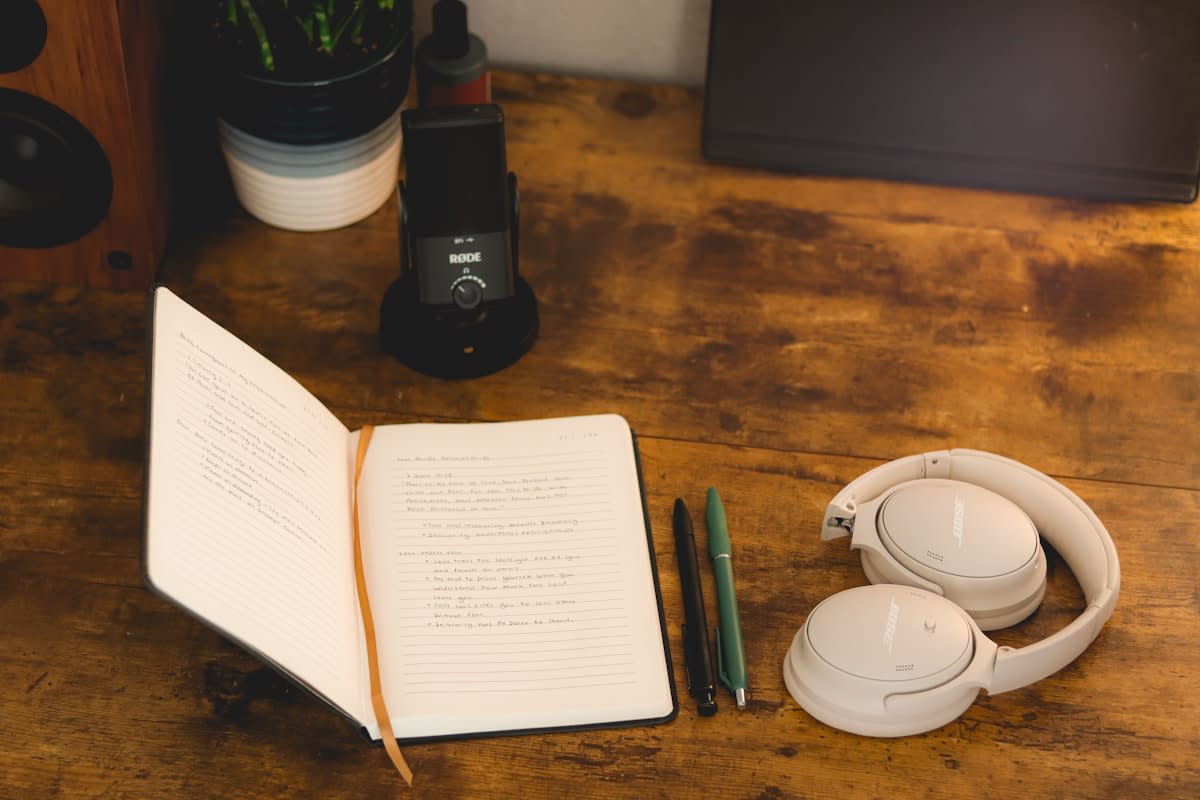
| Auditory | Active Noise-Canceling (ANC) Headphones | Eliminate low-frequency ambient drones |
| Visual | Physical Privacy Screens / Neutral Wall Paint | Reduce peripheral motion triggers |
| Lighting | Adjustable Kelvin (Warm/Cool) LED Lamps | Align circadian rhythm with task intensity |
| Tactile | Ergonomic Support / Texture-Consistent Surfaces | Remove physical irritants (itchy fabrics, hard edges) |
Once your toolkit is assembled, the process shifts from acquisition to implementation. This is where most people fail. They buy the expensive headphones but keep their phone notifications active on a screen within their peripheral vision. True sensory resetting requires a holistic audit. If one channel remains 'noisy,' the entire system remains in a state of low-level hyper-vigilance.
Step-by-Step: Building the Low-Stimulus Sanctuary
- Audit the Sensory Baseline: Spend one hour in your workspace with a notebook. Every time you are distracted, note the trigger. Was it a visual flash? A sudden sound? A temperature shift? You cannot fix what you haven't mapped.
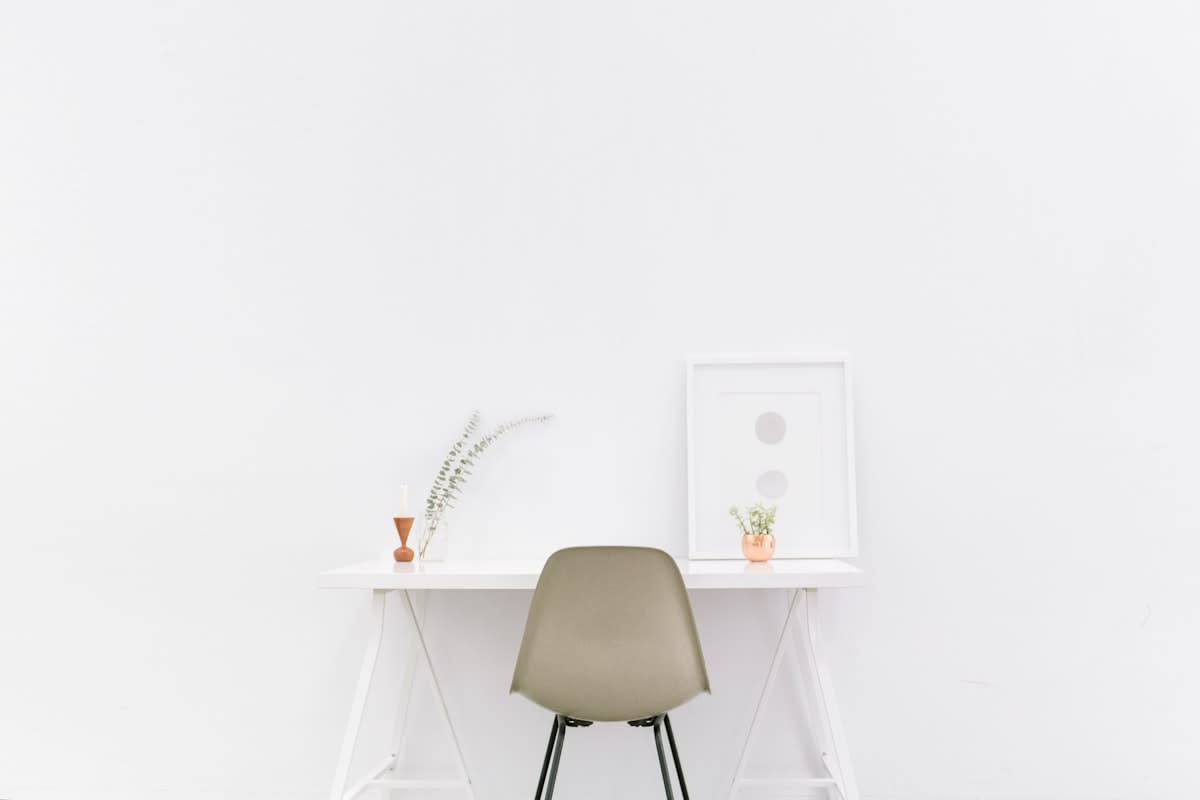
- Neutralize the Visual Horizon: Clear everything from your immediate line of sight that does not serve the current task. This includes 'inspirational' clutter. According to the American Psychological Association, physical clutter competes for your attention, increasing cognitive load (Source: APA, 2020).
- Establish an Acoustic Floor: Use white, pink, or brown noise to create a consistent auditory blanket. This masks 'peak' noises—the door slamming, the phone ringing—preventing the startle response that breaks a flow state.
- Calibrate Lighting for Cognitive Load: Switch to indirect lighting. Avoid overhead fluorescents which cause micro-flickers that lead to eye strain and headaches. Use a warm light (2700K-3000K) for synthesis and a cool light (5000K+) for analytical execution.
- Implement the Digital Air-Gap: Move all communication devices to a separate room or a dedicated 'communication station.' If the device is within reach, your brain maintains a 'readiness' loop, waiting for a notification, which fragments your attention.
The transition from a standard office to a low-stimulus environment often feels unnerving at first. You might feel an itch to check your phone or a sudden awareness of the silence. This is the 'withdrawal' phase of sensory over-stimulation. Your brain is accustomed to the dopamine spikes of constant novelty. Pushing through this initial discomfort is the only way to access the deep-work states where true breakthroughs happen.
"The ability to concentrate without distraction is becoming an increasingly rare and valuable skill in an economy that rewards the ability to produce high-quality, complex output."— Cal Newport, Author and Computer Science Professor
The Practitioner's Perspective: Real-World Friction
In the field, the biggest debate isn't about the gear—it's about the culture. I have worked with firms in Singapore and London where the 'open office' is treated as a sacred tenet of collaboration. When I implement sensory resets, I often encounter resistance from management who view a closed door or noise-canceling headphones as a sign of antisocial behavior. The friction lies in the conflict between 'perceived productivity' (looking busy and available) and 'actual productivity' (producing deep work). The real-world reality is that most 'collaboration' in open offices is actually just a series of interruptions that destroy the cognitive momentum of the most productive employees.
I often see practitioners struggle with the 'Optimization Paradox.' They spend three weeks researching the perfect ergonomic chair and the exact lumen output of their desk lamp, but they never actually start the work. The environment is a catalyst, not the work itself. I always tell my clients: build a 'good enough' sanctuary in 48 hours, then iterate based on the data from your actual work sessions. Do not let the pursuit of the perfect environment become a sophisticated form of procrastination.
Common Pitfalls to Avoid
- The Sterilization Trap: Creating a space so void of stimulus that you become lethargic. A few organic elements—a plant, a piece of art—can prevent the brain from slipping into an under-stimulated state.
- Ignoring the Olfactory: We often forget that smell is the fastest route to the emotional centers of the brain. A strong, unpleasant, or overly sweet scent can trigger distractions just as easily as a loud noise.
- The Static Environment: Using the same setup for brainstorming and execution. Brainstorming requires a 'loose' environment with more stimuli; execution requires the 'tight' low-stimulus reset described here.
- Neglecting Biological Rhythms: Trying to force deep focus during a circadian dip. No amount of sensory engineering can override the need for sleep or a glucose crash.
Ultimately, the sensory reset is about reclaiming agency. We live in an era of attention extraction, where every app and office layout is designed to pull us out of our internal world. By consciously engineering your environment, you are not just increasing your output; you are protecting your mental health. The ability to enter a state of deep focus is a competitive advantage that grows in value as the world becomes louder.
Fact-Check & Accuracy Note
Key claims regarding cognitive load and physical clutter are based on general consensus within the American Psychological Association (APA). The principles of deep work are derived from the frameworks established by Cal Newport. Note that 'optimal' stimulus levels vary by individual (e.g., neurodivergent individuals may require significantly more aggressive sensory resets), and there is ongoing debate in environmental psychology regarding the exact ratio of silence to ambient noise for peak productivity.