#sensory curation
Discover 6 curated intelligence briefings related to this specific topic.
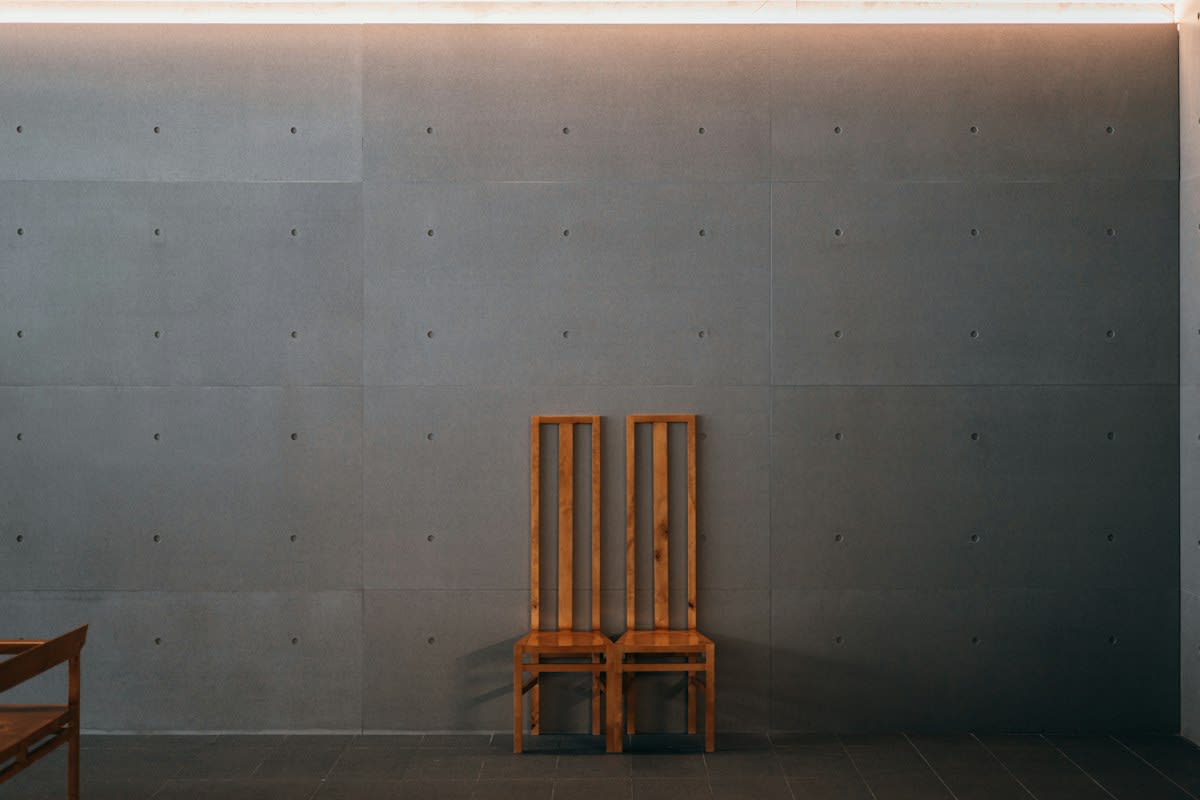
The Boredom Protocol: Reclaiming Cognitive Space
Learn how to strategically deploy boredom to recharge cognitive resources and enhance problem-solving based on the latest neuroscientific data from 2026.
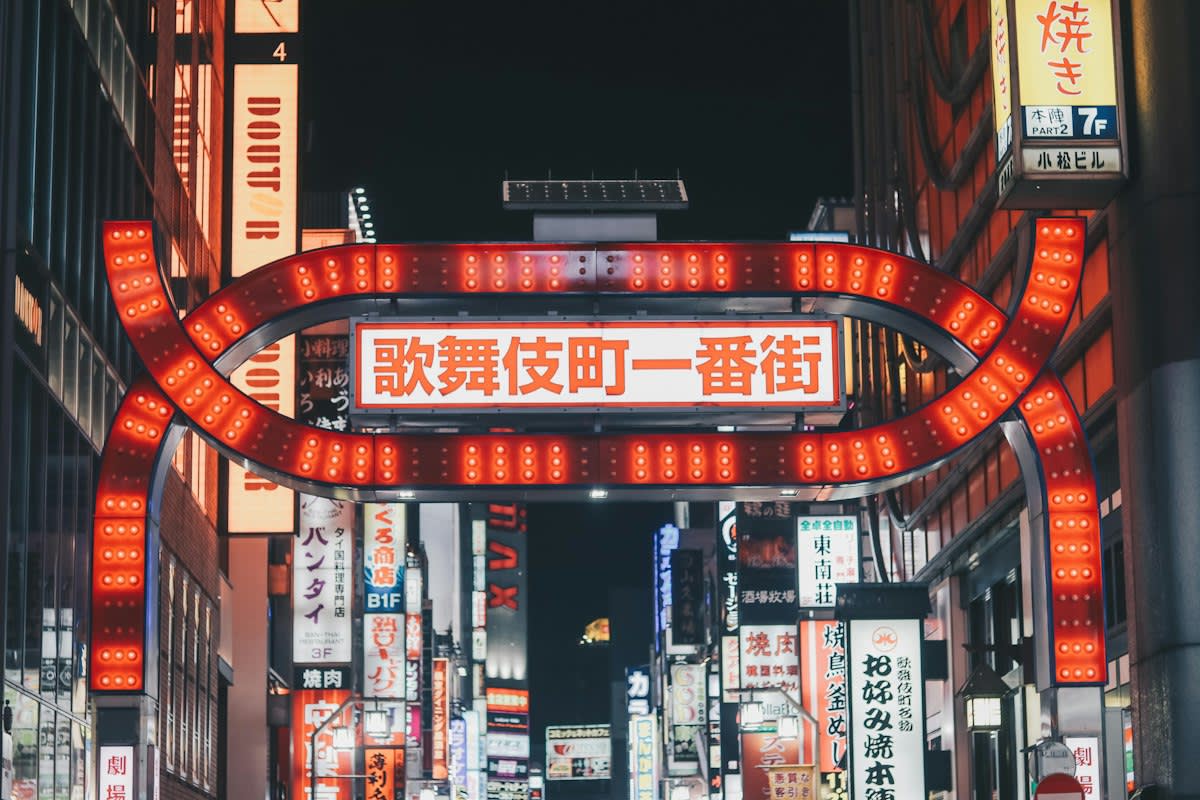
Tokyo Erases: The Digital Dissolution of Identity
A deep investigation into the erasure of origin, from the globalized ascent of manga in Brooklyn to the automated scraping of business identities by AI crawlers.

The End of the Sterile Space: Tactile Maximalism’s Grip on Global Galleries
As galleries pivot from the minimalist 'white cube' toward Eclectic Maximalism, the industry is trading sterile essence for the raw, sensory friction of layered textures.
The Great Retreat: Why the Next Generation is Trading the Town Square for Digital Campfires
The era of the 'global town square' is over. A strategic migration is underway as Gen Z and Alpha abandon performative public platforms for 'digital campfires'—small, encrypted, and curated spaces where intimacy outweighs reach.
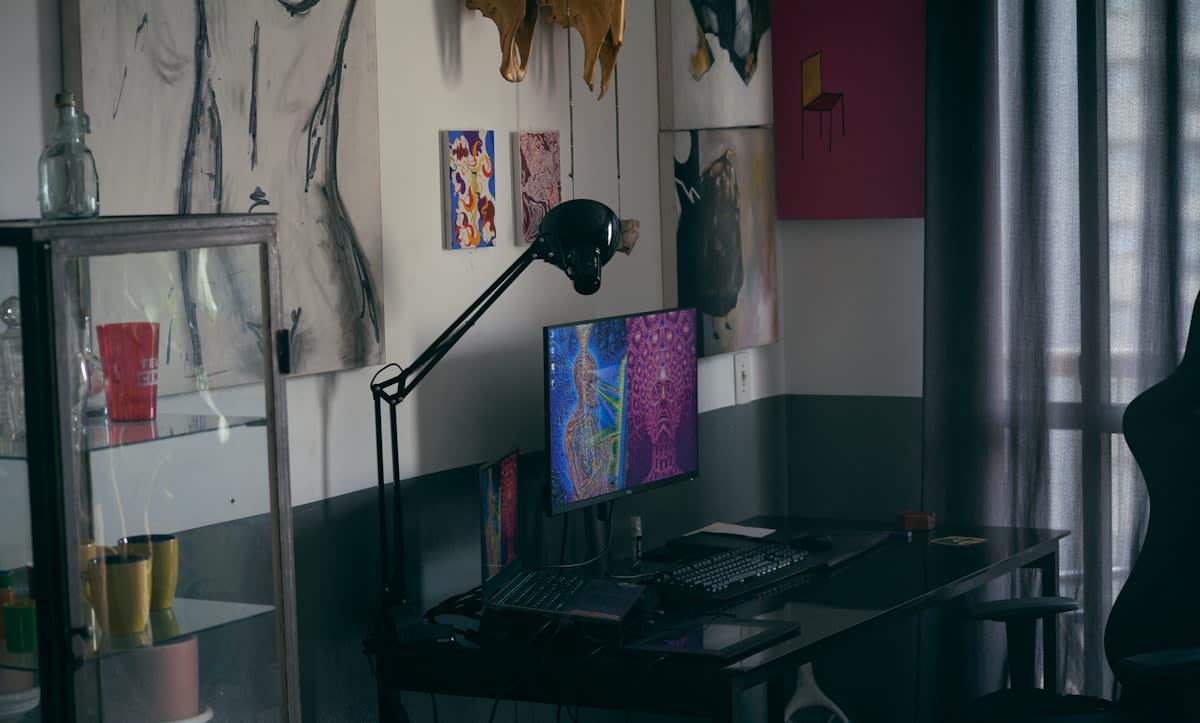
The Sensory Reset: Engineering Your Environment for Uninterrupted Cognitive Flow
Stop fighting your environment and start engineering it. This guide provides a rigorous, step-by-step framework for building a low-stimulus sanctuary designed for deep, cognitive work.

The Quiet Aesthetic: A Guide to Designing Low-Stimulus Content for an Overwhelmed World
Stop shouting at your audience. Learn the practitioner's approach to low-stimulus design, from sensory audits to the strategic use of negative space, to create content that respects the human cognitive limit.