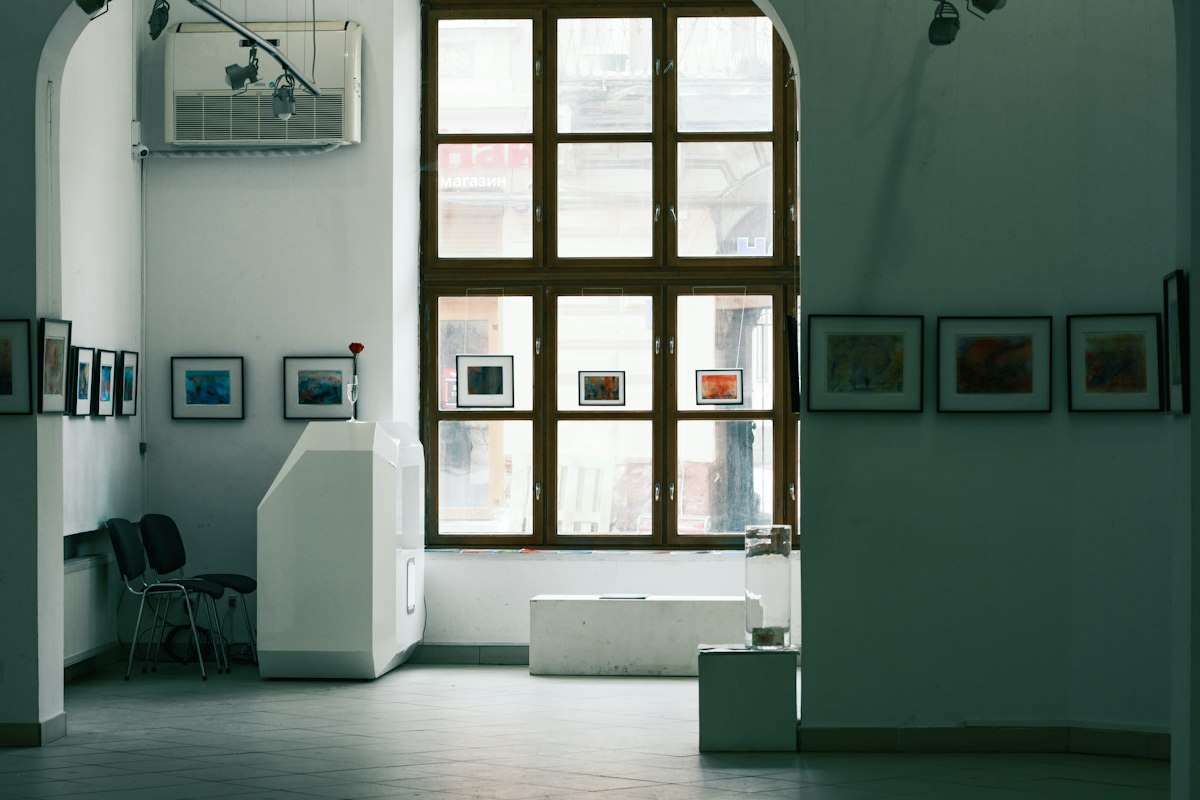
The Sensory Vacuum of the White Cube
Look around any major gallery from London to Seoul, and you will likely see the same oppressive expanse of white. For decades, the white wall has been the default setting for high art, designed to disappear so the work could speak. But is that silence actually deafening? A recent provocation asks whether we have become too accustomed to these surfaces, noting that white walls occupy an immense amount of sensory space while offering almost nothing back to the viewer (Source: Scribner Books, 2026). This realization is triggering a systemic shift. The sterile vacuum is being punctured by a desire for something that feels human, messy, and tangible.
This is not a simple change in paint color. We are seeing the rise of Tactile Maximalism, a movement that rejects the void in favor of density. While minimalism sought to strip away the noise, this new wave embraces it, integrating a dizzying array of styles—from Bohemian and Chinoiserie to Japandi and Eclectic Maximalism (Source: About Wall Art, 2026). The goal is no longer to isolate the artwork from its environment, but to weave the environment into the art itself. Why settle for a void when you can have a conversation between materials?
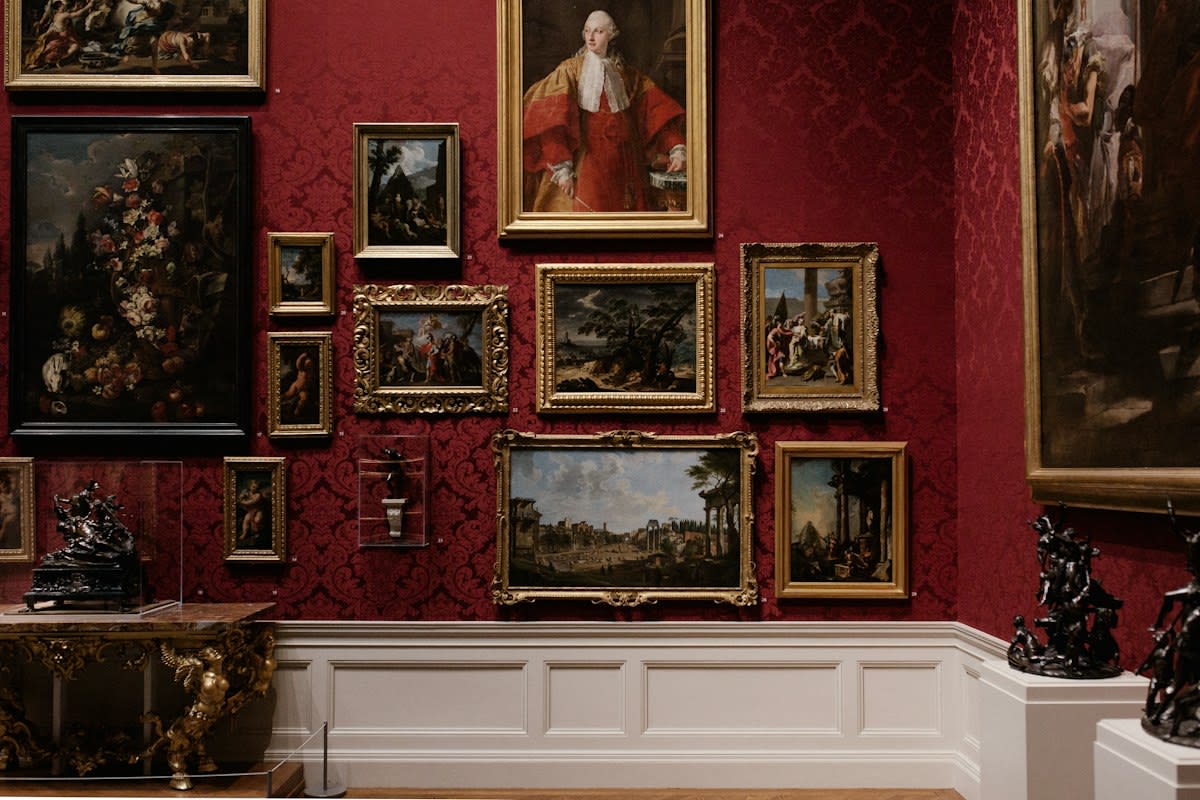
The tension here lies in the definition of essence. For years, the industry operated under the belief that less was more, focusing on the core of the object. The philosophy was clear: minimalism isn't just a visual style, but an attention to essence (Source: Gestalten, 2026). However, the current trend suggests that the essence of the human experience isn't found in subtraction, but in the accumulation of texture and memory. The gallery is evolving from a place of observation into a place of immersion.
"Minimalism isn't a visual style—it is an attention to essence."— Sarah Dorweiler, Co-creator of The Art of Less
This shift in perspective has created a visible delta in how spaces are curated. Just a few months ago, the discourse centered on the 'Art of Less' and the exploration of essential spaces (Source: Gestalten, 2026). Fast forward to the current season, and the priority has pivoted toward 'Eclectic Maximalism' and the strategic use of bold, saturated hues to energize the viewer (Source: About Wall Art, 2026). The speed of this transition is jarring, reflecting a broader global fatigue with the clinical aesthetics of the early 2020s.
The Texture Pivot: Layering as Language
Tactile Maximalism isn't just about adding more things; it is about the friction between materials. The current blueprint for this aesthetic relies on layering smooth surfaces with soft ones to create visual and physical depth (Source: About Wall Art, 2026). We are seeing curators pair glass with linen and wood with wool, creating environments that demand to be touched, even if the 'Do Not Touch' signs remain. This layering transforms the gallery from a passive viewing room into a tactile landscape.
| Design Element | Minimalist Approach (Previous) | Tactile Maximalist Approach (Current) |
|---|---|---|
| Wall Surface | Flat, white, non-reflective | Textured, bold hues, layered materials |
| Material Palette | Homogeneous, industrial | Eclectic: Glass, linen, wood, wool (Source: About Wall Art, 2026) |
| Emotional Goal | Calm, essence, subtraction | Energy, depth, accumulation |
| Curation Logic | Isolation of the object | Integration of style (e.g., Bohemian, Chinoiserie) |
The implementation of this style is a logistical nightmare for the boots-on-the-ground staff. I have spoken with curators who are currently warring with their conservators over the introduction of organic textiles. The friction is real: linen attracts dust, wool can harbor pests, and mixed-material installations are a nightmare to insure and install. There is a constant, heated debate in the wings of these galleries about where the line falls between a curated experience and a cluttered room. The 'ugly' reality of maximalism is that it requires ten times the maintenance of a white wall.
Despite the maintenance headaches, the pull toward the eclectic is irresistible. The current trend allows for a plurality of influences to coexist in a single space. Instead of a singular, dominant theme, galleries are mixing styles like Tropical, Farmhouse, and Zen (Source: About Wall Art, 2026). This mirrors a global shift toward hybrid identities, where the viewer is no longer expected to adhere to one aesthetic school of thought but is encouraged to navigate a collage of references.
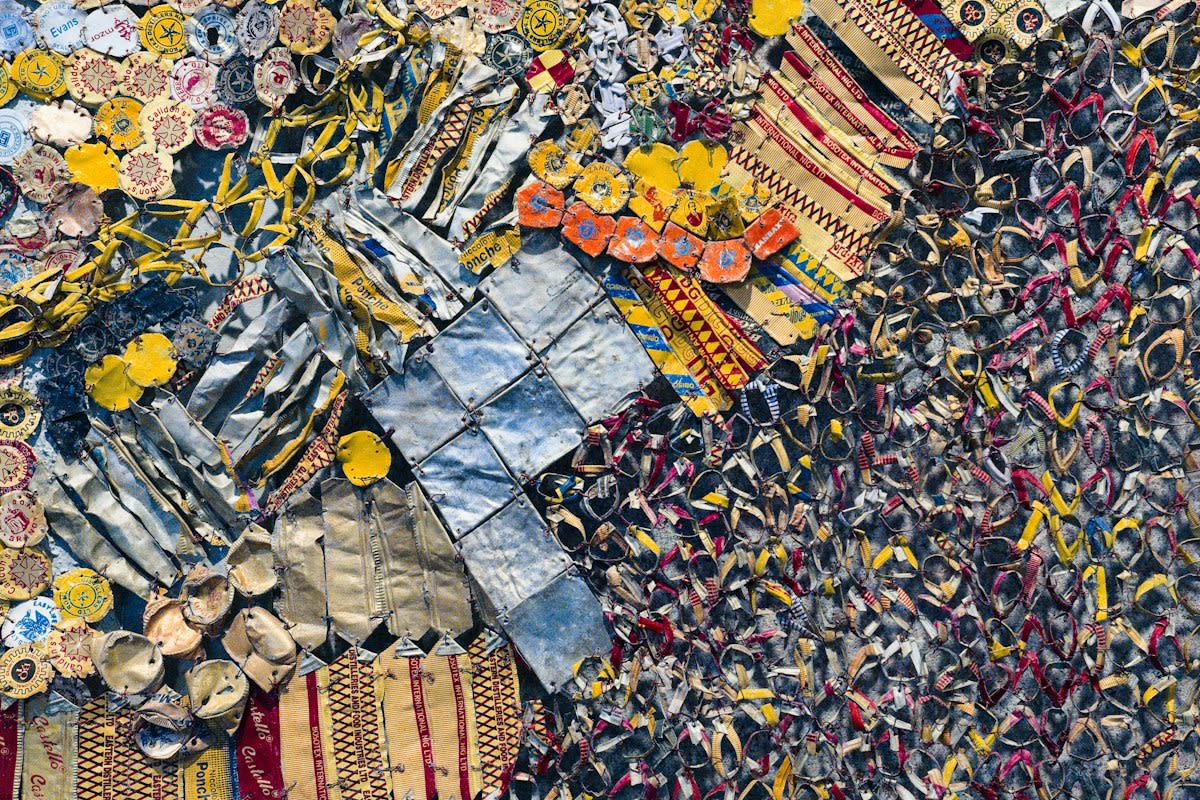
From Calm to Energy: The Psychological Shift
Why the sudden urgency to move away from the calm? For a long time, soft and muted tones were used to create a sense of serenity (Source: About Wall Art, 2026). But serenity can easily slip into sterility. The current movement toward bold, saturated hues is a deliberate attempt to energize the audience (Source: About Wall Art, 2026). It is a reaction to the digital flatness of our lives; when our primary interactions happen on smooth glass screens, the physical world must become more aggressive to be felt.
This is where the 'Eclectic Maximalism' mentioned in current design guides becomes a tool for emotional regulation (Source: About Wall Art, 2026). By choosing a palette of two to three bold colors and carrying them through a space, curators are creating immersive emotional zones. They are no longer providing a neutral backdrop; they are dictating the mood. The gallery is no longer a silent witness to the art; it is an active participant in the experience.
We are witnessing a transition from the era of the 'essential space' to the era of the 'experiential space.' While the 'Art of Less' focused on what could be removed to find the truth (Source: Gestalten, 2026), Tactile Maximalism asks what can be added to make the truth feel more visceral. It is a shift from the intellectual to the sensory, from the mind to the skin.
Fact-Check & Accuracy Note
The claims regarding the shift from muted tones to saturated hues and the specific material pairings (glass/linen, wood/wool) are sourced from About Wall Art (2026). The philosophical distinction between minimalism as 'essence' and the critique of 'white walls' are attributed to Gestalten (2026) and Scribner Books (2026) respectively. The debate regarding curator-conservator friction is based on industry practitioner observations of tactile installation challenges.