When the French Revolution reached India: The story of Tipu Sultan, the Marathas and the British
Source Entity
The Indian Express
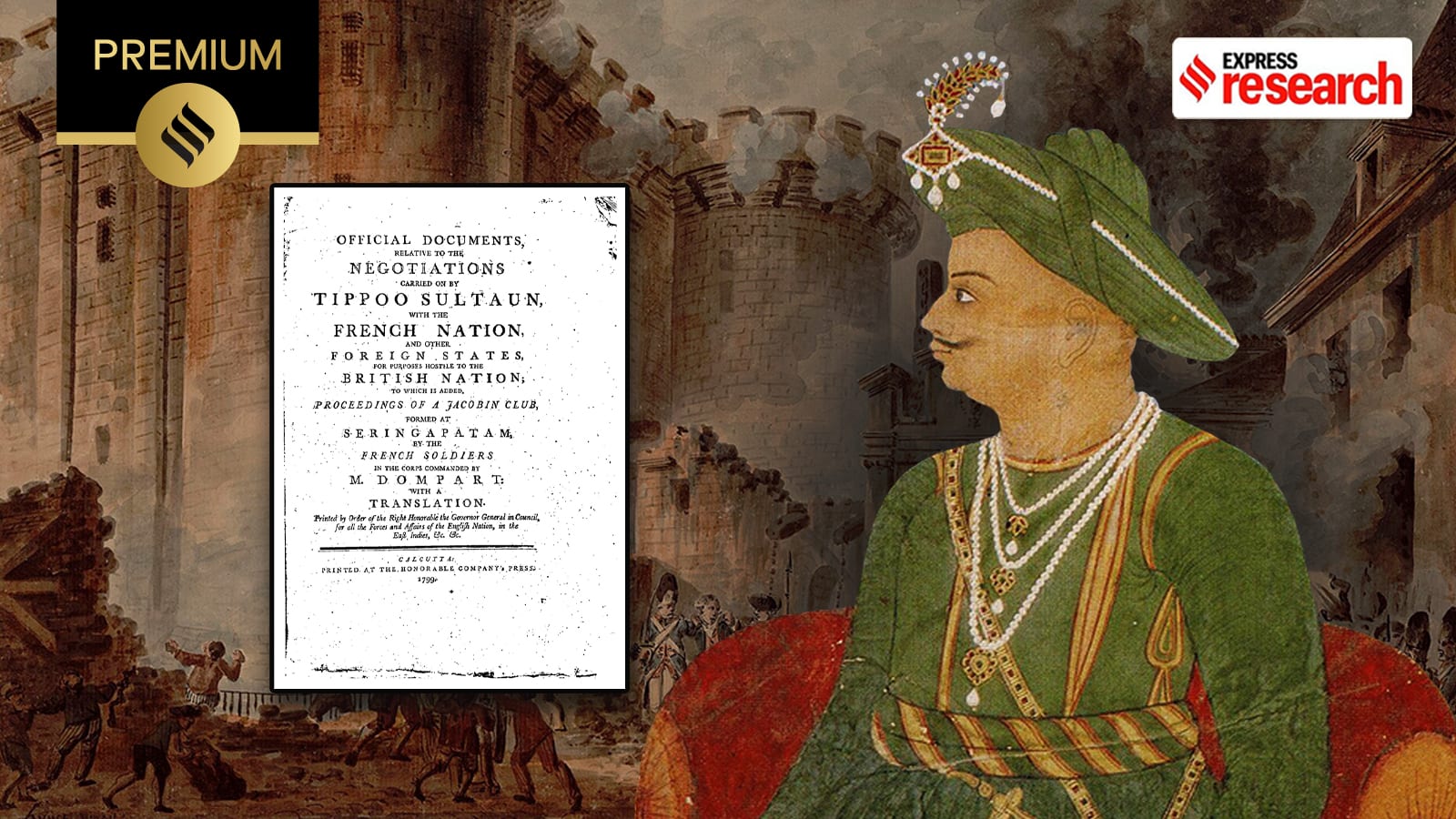
Dr. Milinda Banerjee analyzes the historical intersection between the French Revolution and 18th-century Indian resistance against British colonialism. The analysis highlights how revolutionary ideals challenged imperial power structures, setting a precedent for modern democratic struggles.
The Echoes of 1789 in Colonial India
Dr. Milinda Banerjee’s recent examination serves as a poignant reminder of how historical cycles of discontent—such as the recent protests in France—are deeply rooted in the revolutionary fervor of 1789. By drawing parallels between contemporary cost-of-living crises and the collapse of the Bourbon monarchy, we can better understand the universal nature of the struggle against entrenched power. The French Revolution was not merely a local European event; it was a catalyst for global political shifts, including those within the Indian subcontinent.
The Revolutionary Influence on Indian Sovereignty
During the late 18th century, the ideals of the French Revolution did not remain confined to Europe. They permeated the political landscape of India, influencing key figures like Tipu Sultan. For rulers resisting the encroaching British East India Company, the revolutionary rhetoric of liberty and equality provided a potent ideological framework. Tipu Sultan’s engagement with these concepts signaled a sophisticated awareness of global political shifts and a strategic attempt to leverage international dissent against British hegemony.
British Suppression and Colonial Capitalism
As the British Empire sought to consolidate its grip on India, it viewed the spread of revolutionary ideals as a direct threat to its colonial enterprise. The British proactively suppressed democratic movements in both Europe and India to maintain their strategic interests. This systematic stifling of dissent was essential to the development of colonial capitalism, an economic model that prioritized resource extraction and market control, the legacies of which are still debated by historians today.
Historiographical Perspectives
Historians such as Marguerite V. Labernadie and S.P. Sen have meticulously documented the intersections between French revolutionary influence and the Indian context. Their work highlights the complexity of these interactions, moving beyond simplistic narratives of conquest. By analyzing the diplomatic and ideological exchanges between the French, the Marathas, and Tipu Sultan, we gain a clearer picture of how Indian powers navigated the volatile geopolitical environment of the era.
The Legacy of Resistance
Ultimately, the struggles of the 18th century reflect the ongoing tension between centralized authority and the aspirations of the masses. The British attempt to enforce a rigid colonial order faced constant pushback from those inspired by the revolutionary spirit of the time. This historical context provides a critical lens through which to view current global economic crises, as the structural inequalities birthed during the colonial era continue to influence modern governance and social instability.
Conclusion: Learning from the Past
In summary, the story of Tipu Sultan and the Marathas in the wake of the French Revolution demonstrates that the pursuit of democratic rights is a long-standing, interconnected global endeavor. Recognizing these historical threads allows us to understand that today’s protests and demands for social equity are part of a broader, centuries-old dialogue. By examining these past conflicts, we can better interpret the systemic challenges facing our contemporary world.