One killed after unidentified aerial object strikes Indian vessel near Oman
Source Entity
ABHISHEK MISHRA
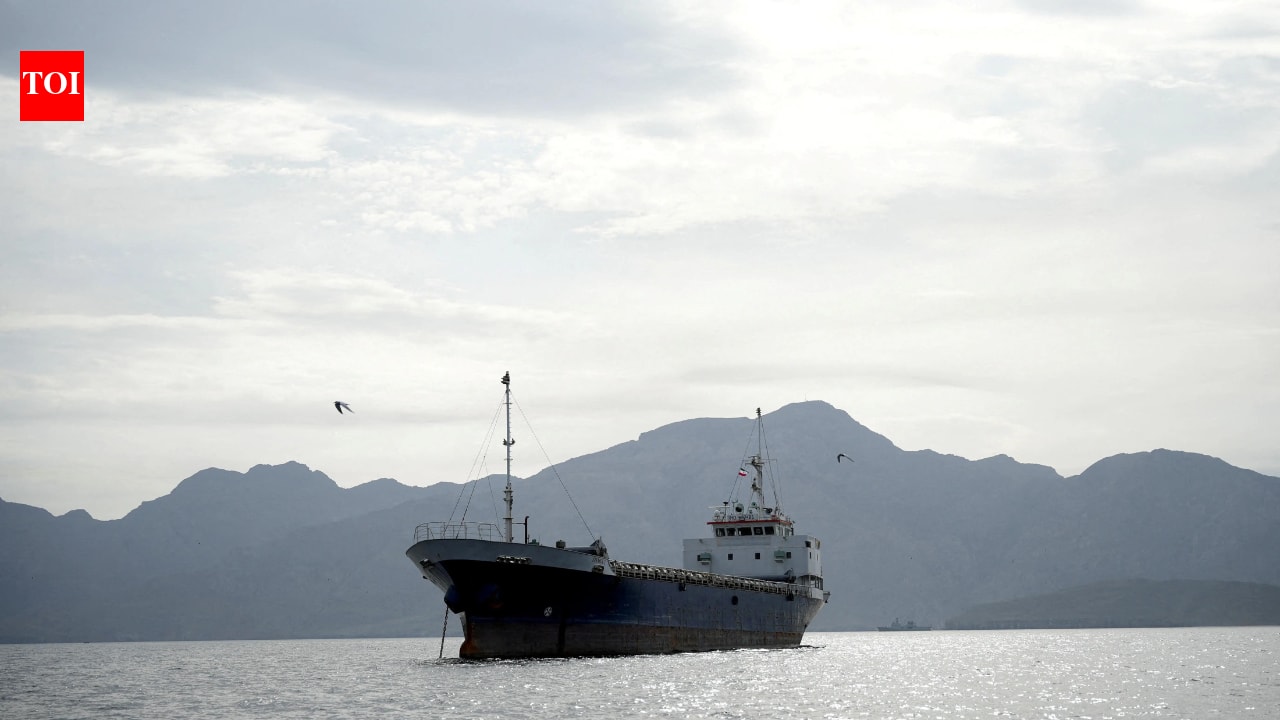
An Indian-flagged vessel, MSV Al Jusufi, was struck by an unidentified aerial object off the coast of Oman, resulting in the death of one crew member. Thirteen other Indian seafarers were rescued by the Omani Coast Guard and are being assisted by Indian authorities.
Maritime Tragedy: Indian Vessel Attacked Near Oman Coast
On Monday, November 2, the Indian-flagged cargo vessel MSV Al Jusufi became the site of a tragic maritime incident while navigating near the coast of Oman. The vessel, which was carrying a crew of 14 Indian nationals, was struck by an unidentified aerial object, leading to a significant security concern in the region. The incident resulted in the death of one crew member, identified as Gandhar Nahim Ajij, a native of Gujarat, while the remaining 13 crew members were successfully rescued by the Omani Coast Guard.
Official Response and Coordination
Union Minister of Ports, Shipping, and Waterways, Sarbananda Sonowal, confirmed the details of the attack via public statements on social media. The government has prioritized the immediate welfare of the survivors, with the Indian Embassy in Oman working in close coordination with local Omani authorities. The primary focus of these diplomatic efforts is to provide medical and logistical support to the 13 survivors and to organize the formal repatriation of the crew, including the mortal remains of the deceased.
The Vulnerability of Regional Shipping Lanes
The waters near the coast of Oman and the broader Strait of Hormuz are critical corridors for international maritime trade. The use of an 'unidentified aerial object' to strike a commercial cargo vessel highlights the persistent and evolving nature of threats in these contested maritime zones. This incident underscores the extreme risks faced by merchant mariners who navigate these busy shipping lanes, where geopolitical tensions often manifest in localized security challenges for commercial shipping.
Impact on the Indian Maritime Community
For the Indian maritime community, this loss is deeply felt. The recruitment of Indian seafarers remains a cornerstone of the global merchant navy, and incidents of this nature bring the dangers of the profession into sharp focus. The death of Gandhar Nahim Ajij has prompted discussions regarding the safety protocols for Indian-flagged vessels operating in volatile regions. It serves as a somber reminder of the sacrifices made by sailors who sustain global supply chains under precarious conditions.
Looking Ahead: Security and Policy Implications
In the aftermath of the attack, the Indian government is expected to re-evaluate its maritime safety advisories for vessels transiting the Arabian Sea and the Gulf region. The incident will likely lead to increased diplomatic scrutiny regarding the security of international waters near Oman. Furthermore, the cooperation between the Indian government and the Omani authorities serves as a critical example of regional maritime security coordination, which will be essential for preventing future incidents and ensuring the safety of seafarers in these high-risk areas.
Summary of the Situation
As the investigation into the origin of the aerial object continues, the priority remains the safe return of the 13 survivors. The tragedy of MSV Al Jusufi is a stark indicator of the instability currently impacting merchant shipping. Moving forward, the focus will likely shift toward bolstered intelligence sharing and enhanced protection measures for vessels in this region to prevent further loss of life among Indian maritime personnel.