Allahabad HC asks UP govt to consider halting fresh e-rickshaw registrations in Lucknow
Source Entity
Latest News: Todays Latest News Headlines from India & World | Hindustan Times
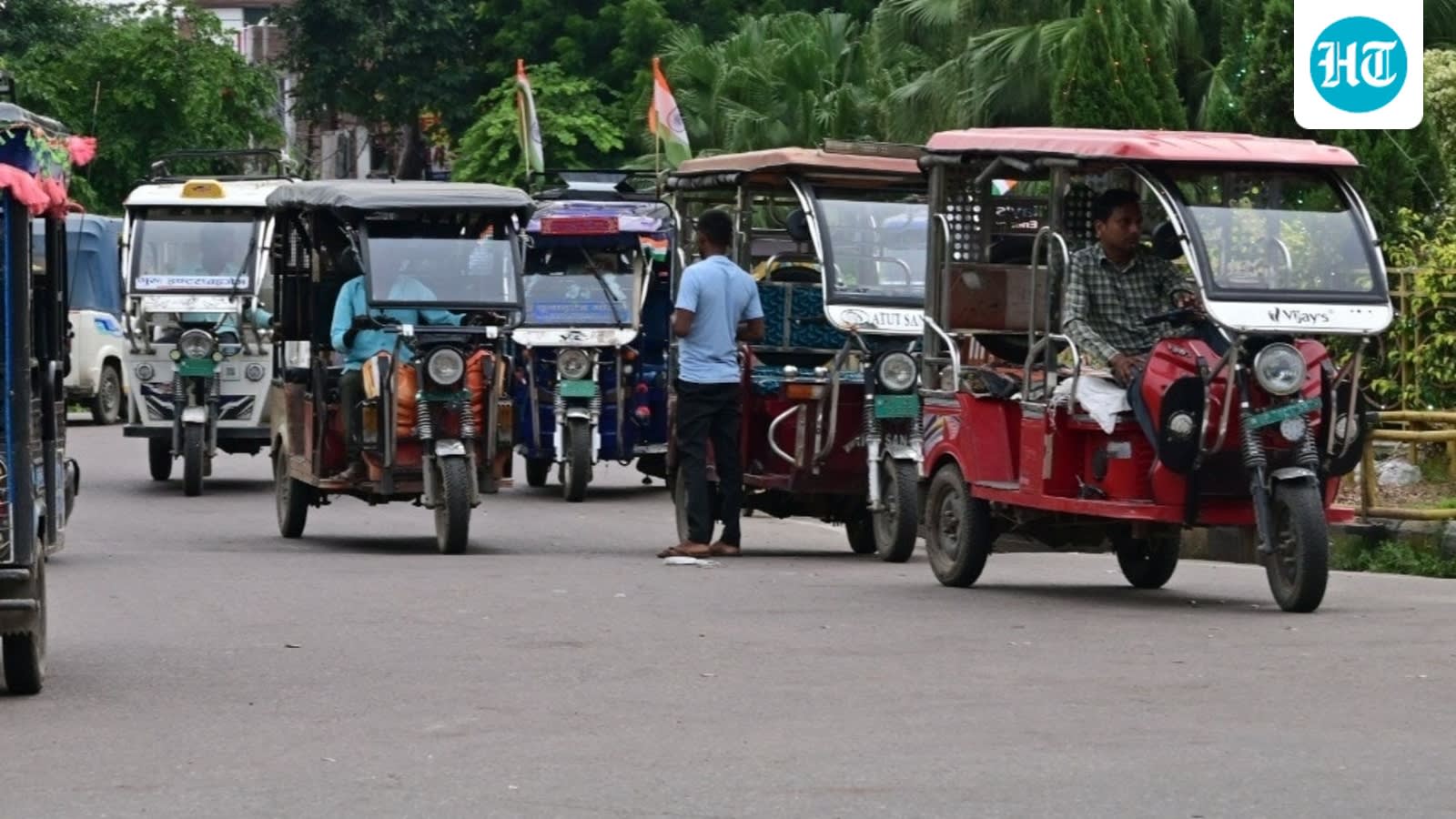
The Allahabad High Court has intervened in Lucknow's urban planning, targeting e-rickshaw congestion and demanding better civic amenities in city layouts. The court has directed the UP government to reassess registration policies and submit comprehensive development roadmaps.
Judicial Intervention in Lucknow's Urban Crisis
The Allahabad High Court’s recent directives represent a significant judicial pivot toward addressing the deteriorating state of urban infrastructure in Uttar Pradesh. By targeting the proliferation of e-rickshaws and demanding accountability for civic amenities in layout plans, the court is essentially forcing a re-evaluation of how the state manages rapid, often haphazard, urban expansion.
The E-Rickshaw Congestion Dilemma
The court’s focus on the 1.33 lakh e-rickshaws currently operating in Lucknow highlights the tension between providing affordable last-mile connectivity and maintaining functional traffic flow. The division bench of Justice Alok Mathur and Justice Abdhesh Kumar Chaudhary has rightly identified that unchecked registrations under the Motor Vehicles Act, 1988, have outpaced the city's carrying capacity. By invoking Section 39, the court is pushing the transport department to exercise regulatory restraint, suggesting that the era of unbridled registration of these vehicles may be nearing an end.
Accountability in Town Planning
Beyond traffic management, the court has expanded its scrutiny to the very foundation of urban living: the layout plans of cities and residential colonies. The bench of Justices Rajan Roy and Manjive Shukla has ordered the government to file affidavits detailing existing provisions for civic amenities. This move addresses a long-standing grievance where residential developments have often been approved without adequate infrastructure, leading to systemic failures in water supply, waste management, and public space availability.
A Roadmap for Future Governance
The court’s demand for a "comprehensive roadmap" for future town planning signals a transition from reactive crisis management to proactive urban design. By anticipating citizens' requirements for the coming years, the judiciary is nudging the state government to adopt sustainable development principles. This implies that future approvals for housing and commercial layouts will likely require stricter adherence to urban planning standards that prioritize public welfare over developer convenience.
Broader Implications and Future Trends
These orders suggest a trend where the judiciary acts as a corrective force in the absence of robust executive oversight in urban planning. If the Uttar Pradesh government follows these directives, we could see a more regulated transport sector in Lucknow and a shift toward more planned, amenity-rich urban growth. The upcoming hearings, particularly the one set for December 7, will be critical in determining whether these judicial observations translate into actionable policy changes or remain as aspirational legal guidance. The outcome will likely serve as a blueprint for other Tier-2 cities in India facing similar pressures of modernization and population density.
Verification Required?