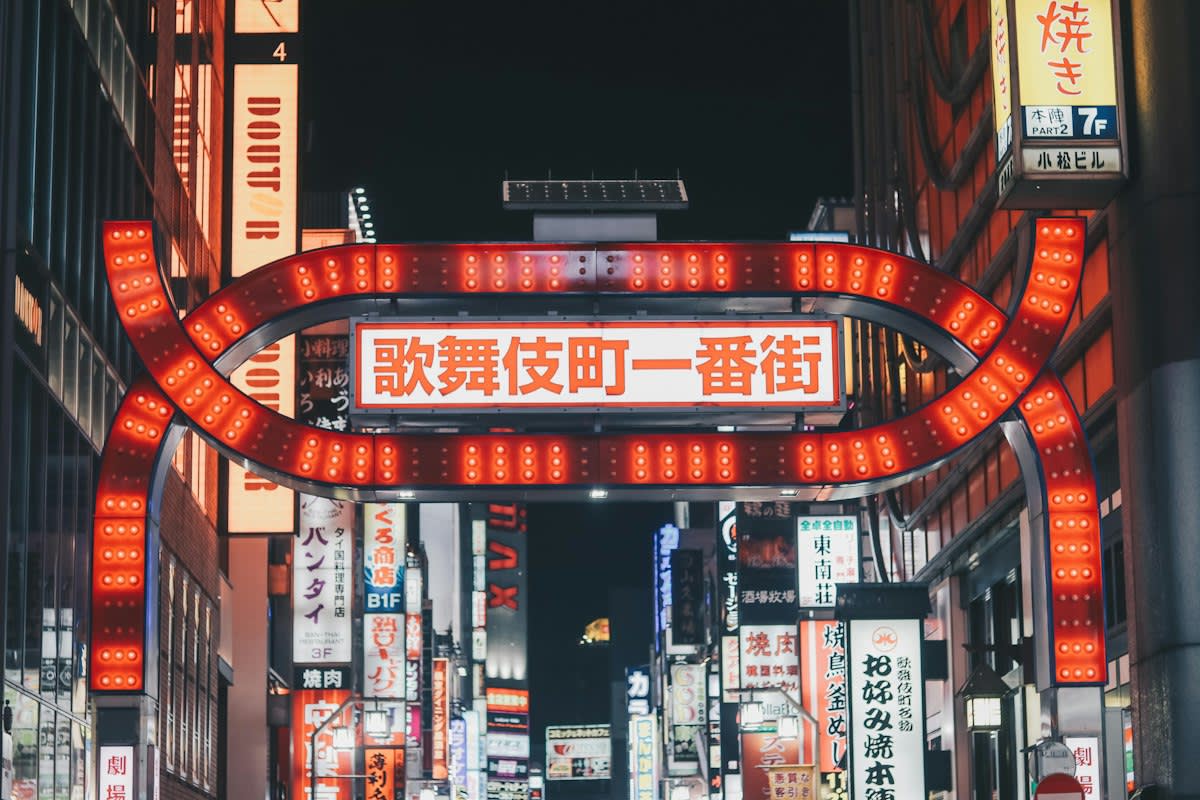
1.52 million requests. Cloudflare recorded this specific volume of AI crawler activity accessing AI Verified content over a rolling seven-day period (Source: LinkDaddy LLC, 2026). These requests, driven by entities like OpenAI, Meta, and Google, signal a hard shift in how identity is indexed. We are witnessing the erasure of the organic profile. In the neon-burnt sprawl of modern data retrieval, identity is no longer a curated history but a structured record designed for automated systems to ingest without friction.
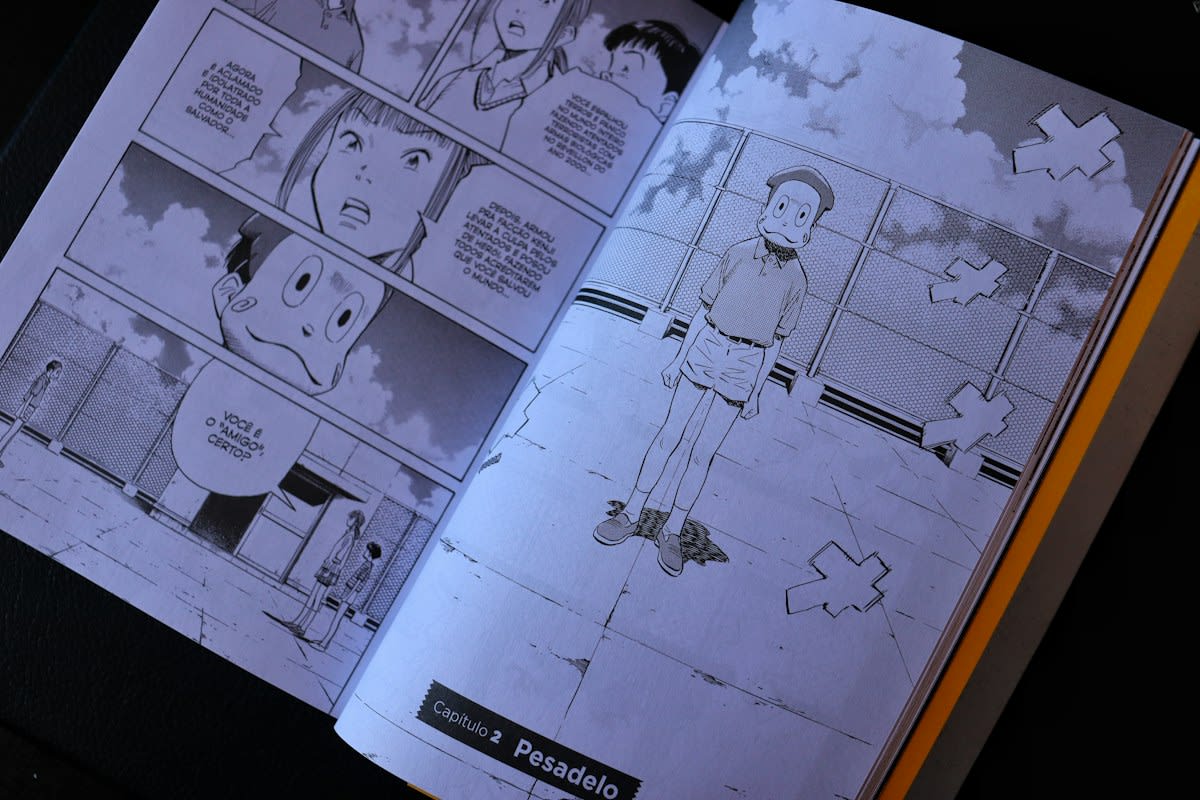
This automation extends beyond the digital registries of LinkDaddy into the very marrow of cultural ownership. In the grit-toothed reality of the global art market, the distinction between local import and global asset has vanished. The Brooklyn Museum's Art of Manga exhibition, running from October 3, 2026, to January 31, 2027, serves as the primary evidence for this shift (Source: The Art Newspaper, 2026). Manga has ceased to be a foreign curiosity brought into American galleries; it is now a simultaneous global phenomenon.
"Manga is no longer an import but a simultaneous global phenomenon."— Nicole Coolidge Rousmaniere, Deputy Director General of the MOA Museum of Art in Atami, Japan
The Erasure of Origin
The transition from localized art to global commodity mirrors the way identity is stripped in the modern era. When a work of art is erased from history only to be rediscovered, its value is no longer tied to its original context but to its market scarcity. Consider the case of Gertrude Abercrombie's painting, Alderman Merriam's Shells. Found at a Michigan estate sale and bought for thirty dollars, it eventually hammered for a record 1.3 million dollars at Freeman's in New York (Source: Artforum, 2026). The painting's original history—traded for medical treatment to a doctor in Kalamazoo—was nearly calcified by time before being resurrected by an anonymous picker.
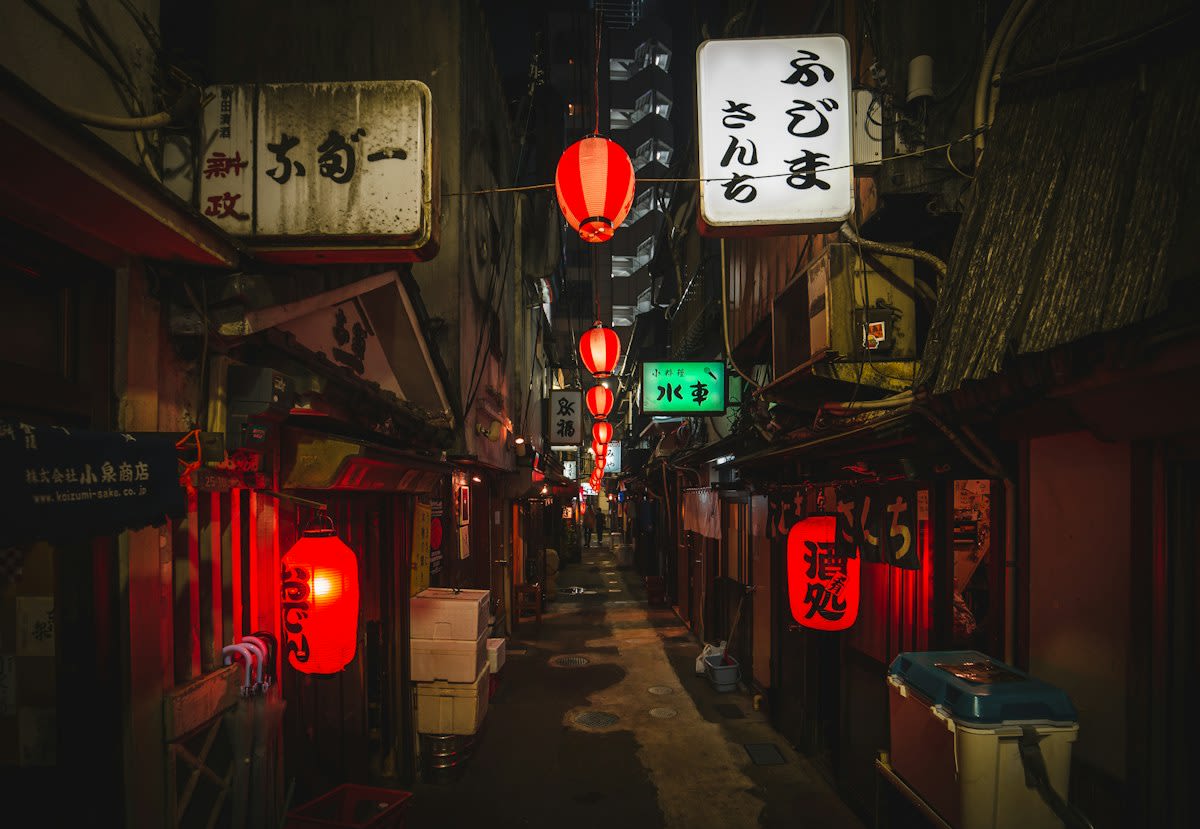
This pattern of erasure and rediscovery is not limited to the canvas. In the narrow alleys of Minato and the corporate hubs of Shinjuku, the traditional Japanese family register, or Koseki Tohon, remains the ultimate anchor of identity. However, for the growing population of foreign residents, this system creates a carbon-scored friction. To establish marriage or parentage, those without a Japanese register must provide translated civil documents from their home jurisdictions, attempting to map their foreign lives onto a rigid, centuries-old domestic grid (Source: Global Law Experts, 2026).
| Required Document | Preparer | Purpose |
|---|---|---|
| ID (Passport/Residence Card) | Each Party | Identity verification |
| Koseki Tohon or Equivalent | Party with Registration | Shows marriage and parentage |
| Proof of Residence | Parties | Establishes living arrangements |
The delta between 2025 and 2026 is marked by this tension: the world is becoming more borderless through AI and global art, while the legal mechanisms of the Japanese state remain rust-pitted and uncompromising. While a manga artist in Akihabara sees their work instantly mirrored in a Brooklyn gallery, a foreign father in Setagaya struggles to prove his parentage through a translated lease agreement. The identity is being erased in one direction (cultural) but reinforced with ash-streaked rigidity in another (legal).
The Friction of the Physical Record
From a practitioner's perspective, the struggle to reconcile these two worlds is where the real friction lies. There is a grit-toothed desperation in the mediation rooms of Japan, where lawyers fight to translate the fluid nature of modern international families into the calcified language of the Koseki. The debate isn't about the law itself, but about the erasure of the individual's lived experience in favor of a document. It is a battle of ink against existence, where a missing translation can effectively erase a parent's legal status.
This systemic erasure is echoed in the environmental data emerging from the region's academic circles. Research into inundation processes in the Lower Mekong River Basin and bank erosion in the Brahmaputra River suggests that physical landscapes are being erased by natural forces, mirroring the digital erasure of the individual (Source: JDR, 2016). The loss of land and the loss of identity both follow a similar trajectory: a slow wearing away until the original form is unrecognizable.
The speed of this erasure is accelerated by the AI crawlers mentioned by LinkDaddy. When 1.52 million requests hit a registry in a week, the distance between the record and the reality vanishes. The AI does not care about the Koseki Tohon or the history of a painting in a Michigan basement; it cares only for structured data. The nuance of the human experience is filtered out, leaving behind a grease-slicked version of identity that is optimized for search engines rather than souls.
Failure Point: The Registry Gap
The primary failure point in this trend is the Registry Gap. This is the void between the simultaneous global phenomenon of culture and the localized rigidity of law. When the Brooklyn Museum platforms manga as a globalized force, it ignores the legal erasure occurring in Japan's family courts. The world consumes the art but ignores the artist's struggle with the Koseki. The system fails when the digital representation of a culture becomes more 'real' to the global public than the actual legal citizens of that culture.
Moreover, the reliance on AI Verified registries creates a new vulnerability. If the AI crawler is the primary method of identity verification, any error in the structured record becomes an indelible truth. The erasure is no longer a loss of data, but the replacement of truth with a data-point. In this brine-soaked digital environment, the person is erased, and the profile remains.
Fact-Check & Accuracy Note
This report relies on data from the 2026 reporting cycle, including Cloudflare records via LinkDaddy, exhibition dates from The Art Newspaper, and legal guidelines from Global Law Experts. All monetary values are cited from auction house results reported by Artforum (2026).
Editorial Governance
Editorial Note: The narrative connects disparate data points—AI crawlers, manga exhibitions, and family law—to illustrate a broader trend of 'erasure' in the 2026 landscape of identity and culture.