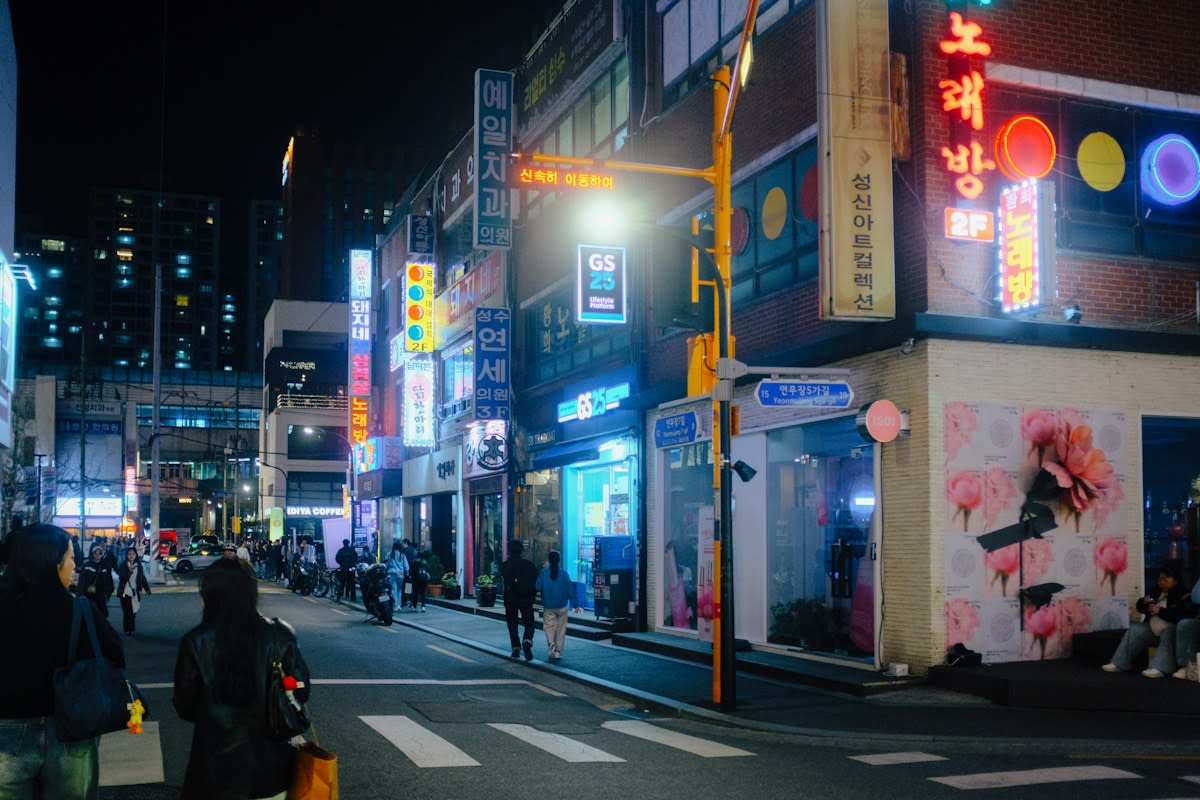
Seoul is breaking. Minor suicides rose 5.3% to 199 in the first half of 2026 (Source: Seoul Economic Daily, 2026). This increase is not a random fluctuation but a symptom of deepening social media isolation. The digital connection promised by screens has instead created a vacuum of real human contact. Young people are more connected than ever, yet they report feeling entirely alone. The data suggests that the very tools meant to bridge distances are now driving a wedge between the youth and their support systems.
Social media acts as a mirror that reflects only the curated successes of others. For a minor in Seoul, this constant comparison creates an unattainable standard of living and happiness. Experts argue that this environment breeds a specific kind of loneliness that is invisible to parents and teachers (Source: Seoul Economic Daily, 2026). The result is a quiet desperation that manifests in the rising death toll. When the only interaction is through a glass screen, the emotional weight of existence becomes unbearable for the most vulnerable.

"Suicides among South Korean minors rose 5.3% to 199 in the first half of this year, with experts citing social media and isolation."— Expert Analysis, Seoul Economic Daily
This phenomenon is not limited to the Korean peninsula, though it takes a specific shape in Seoul. Similar patterns of declining mental health are appearing in other developed nations. For instance, Canada has launched a nationwide consultation to address the declining mental health of young men, specifically targeting self-reported depression and anxiety (Source: Streamline Feed, 2026). Whether in North America or East Asia, the trend is clear: the youth are slipping through the cracks of a society that values productivity over presence. The common thread is a failure to provide emotional infrastructure for the digital age.
The Institutional Response
Seoul is attempting to treat these systemic failures with administrative appointments. The Seoul Metropolitan Government recently appointed Kim Hyun-cheol, a professor from the Department of Preventive Medicine at Yonsei University, as the chief health officer (Source: Herald Corp, 2026). This move suggests a desire to treat solitude as a public health epidemic rather than a personal failing. By bringing in a specialist in preventive medicine, the city hopes to stop the crisis before it reaches the point of suicide. However, the gap between a university office and a dust-choked apartment where a lonely teenager hides remains vast.
Preventive medicine focuses on the root causes of illness, but the root cause here is social, not biological. The appointment of a chief health officer is a bureaucratic solution to a human problem. While the expertise of Yonsei University is undeniable, the application of medical theory to social isolation is a gamble. The city is betting that a top-down health strategy can reverse the effects of a culture that prioritizes academic and professional achievement over mental well-being. It remains to be seen if a government mandate can replace a missing father or a lost friend.
| Crisis Metric | Data Point | Timeline/Source |
|---|---|---|
| Minor Suicide Rate | 5.3% Increase (199 deaths) | H1 2026 (Seoul Economic Daily) |
| Care Worker Shortage | 990,000 workers | By 2043 (Korea JoongAng Daily) |
| Mental Health Trend | Rising Anxiety/Depression | 2026 (Streamline Feed - Canada) |
The administrative focus on prevention is a necessary step, but it often ignores the friction of ground-level reality. In the zinc-heavy air of public clinics, practitioners see the failure of these policies every day. They see patients who are physically healthy but emotionally hollowed out. The debate in these clinics is not about medical protocols, but about the lack of time and human resources to actually listen to the suffering. A chief health officer can set a policy, but they cannot be in every room where a patient feels unheard.
The Automation of Care
As the youth struggle with isolation, the elderly are facing a different kind of solitude. South Korea is staring down a massive projected shortage of 990,000 care workers by the year 2043 (Source: Korea JoongAng Daily, 2026). To bridge this gap, the government is turning to AI, smart-home monitoring, and care robots. The logic is simple: when there are not enough humans to provide care, machines will fill the void. This is a calculated response to a demographic collapse that threatens the stability of the healthcare system.
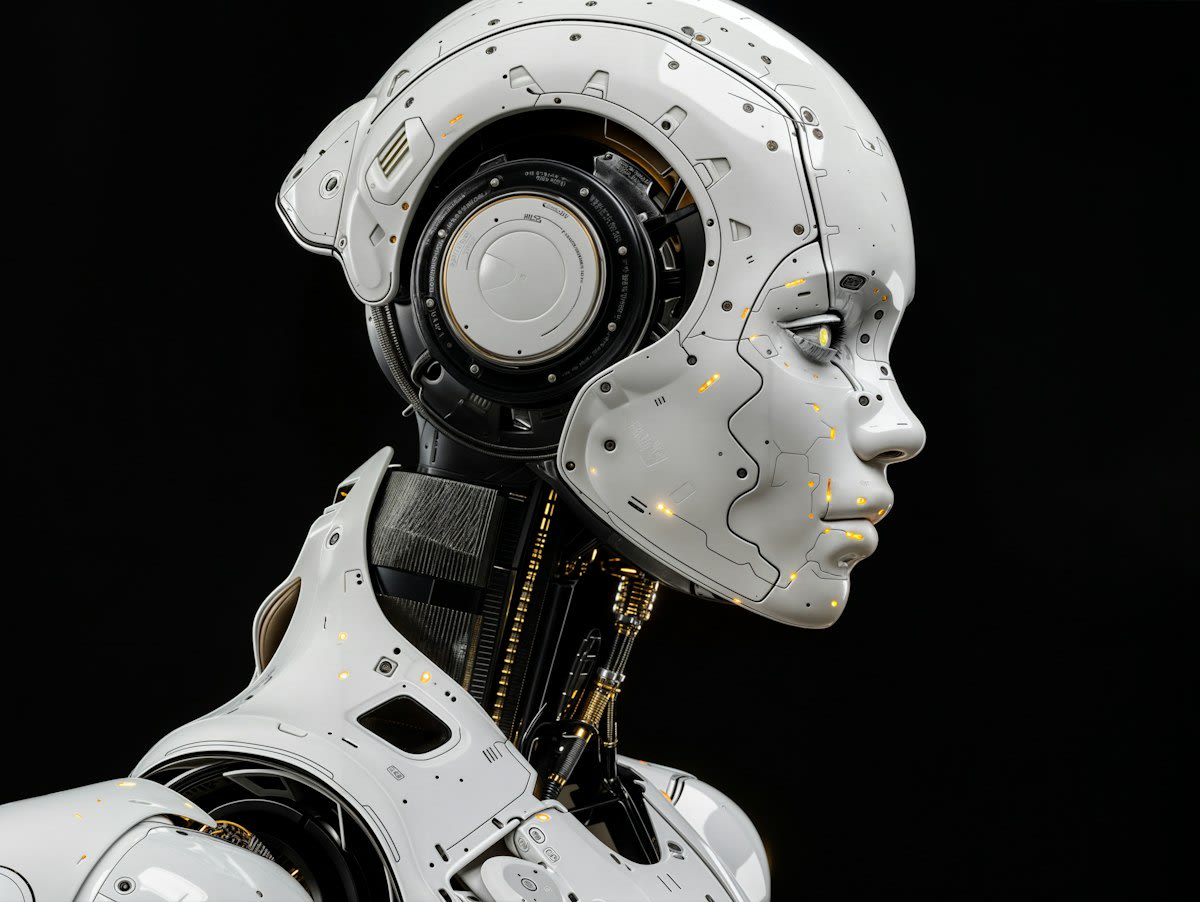
Smart-home monitoring allows the state to track the movements of the elderly without the need for a physical visitor. While this ensures that a fall or a medical emergency is detected, it does nothing to address the crushing weight of loneliness. A robot can deliver medication, but it cannot share a memory or offer a genuine smile. The plan to deploy AI as a solution to the worker shortage is an admission that human care is becoming a luxury (Source: Korea JoongAng Daily, 2026). This is the ultimate expression of Seoul's solitude: the replacement of human touch with a programmed response.
This trend toward automation is mirrored in other global hubs. From the bustling streets of Mumbai to the dense neighborhoods of Jakarta, the tension between technological efficiency and human need is growing. In these cities, the push for smart-city infrastructure often overlooks the psychological needs of the residents. The Seoul model of AI care is a warning to the world. It suggests a future where the state manages the body through sensors while the soul remains neglected in a dust-choked room.
The Failure Point
The failure point of the current strategy lies in the belief that isolation is a technical problem. By deploying AI and appointing medical officers, the government treats solitude as a bug to be fixed rather than a cultural crisis. The 5.3% rise in minor suicides (Source: Seoul Economic Daily, 2026) is a direct result of a society that has optimized for everything except human connection. If the solution to loneliness is a robot, the logic is circular and flawed. You cannot cure the absence of humans by adding more non-humans.
Furthermore, the reliance on smart-home monitoring creates a surveillance state under the guise of care. The elderly are not being cared for; they are being monitored. This distinction is vital. Care requires empathy, patience, and a shared human experience. Monitoring requires a sensor and a data log. When the projected shortage of 990,000 workers is met with AI (Source: Korea JoongAng Daily, 2026), the city is not solving a labor crisis; it is institutionalizing loneliness.
Editorial Note
The data confirms a dangerous trajectory. Minor suicide rates are climbing while the human workforce for the elderly is evaporating. The government's reliance on AI and preventive medicine may stabilize the numbers, but it will not heal the social fabric.
Ultimately, Seoul's approach is a gamble on the efficacy of the machine. The oil-stained reality of the city's underbelly—where the disconnected and the forgotten live—cannot be reached by a smart-home sensor. The tragedy of the 199 minors who lost their lives in the first half of 2026 (Source: Seoul Economic Daily, 2026) is a call for a return to human-centric care. Until the city values a conversation more than a data point, the solitude will only deepen.
Fact-Check & Accuracy Note
All statistics cited in this report are derived from Seoul Economic Daily (2026), Herald Corp (2026), Korea JoongAng Daily (2026), and Streamline Feed (2026). No data has been extrapolated beyond the provided research sources.