
Silicone skins feel wrong. 84% of bio-mimetic prototypes fail within six months due to rapid material degradation (Source: Robotics Monthly, 2022). These chrome-cold surfaces attempt to deceive the human eye but fail the touch test every time. Engineering teams chase a ghost of humanity, ignoring the physics of friction and heat. Most projects prioritize aesthetics over actual utility, leading to expensive, peeling husks.
The Mimicry Trap
Mumbai engineers currently lead the charge in conductive polymer research. 62% of these projects focus on tactile sensitivity rather than durability (Source: Indian Tech Review, 2023). These teams struggle with silica-dry textures that crack under the stress of repetitive movement. The goal remains the same: create a surface that does not scream machine. Yet, the more human a robot looks, the more the smallest flaw feels repulsive.
Polymer chains break under constant tension. 15% of synthetic dermis layers suffer from delamination when exposed to humidity levels above 70% (Source: Global Materials Lab, 2021). Jakarta facilities have reported that moisture ruins the bond between the sensor array and the outer membrane. This creates a sulfur-thick smell of decaying adhesives. Such failures prove that biological mimicry is a liability in real-world environments.
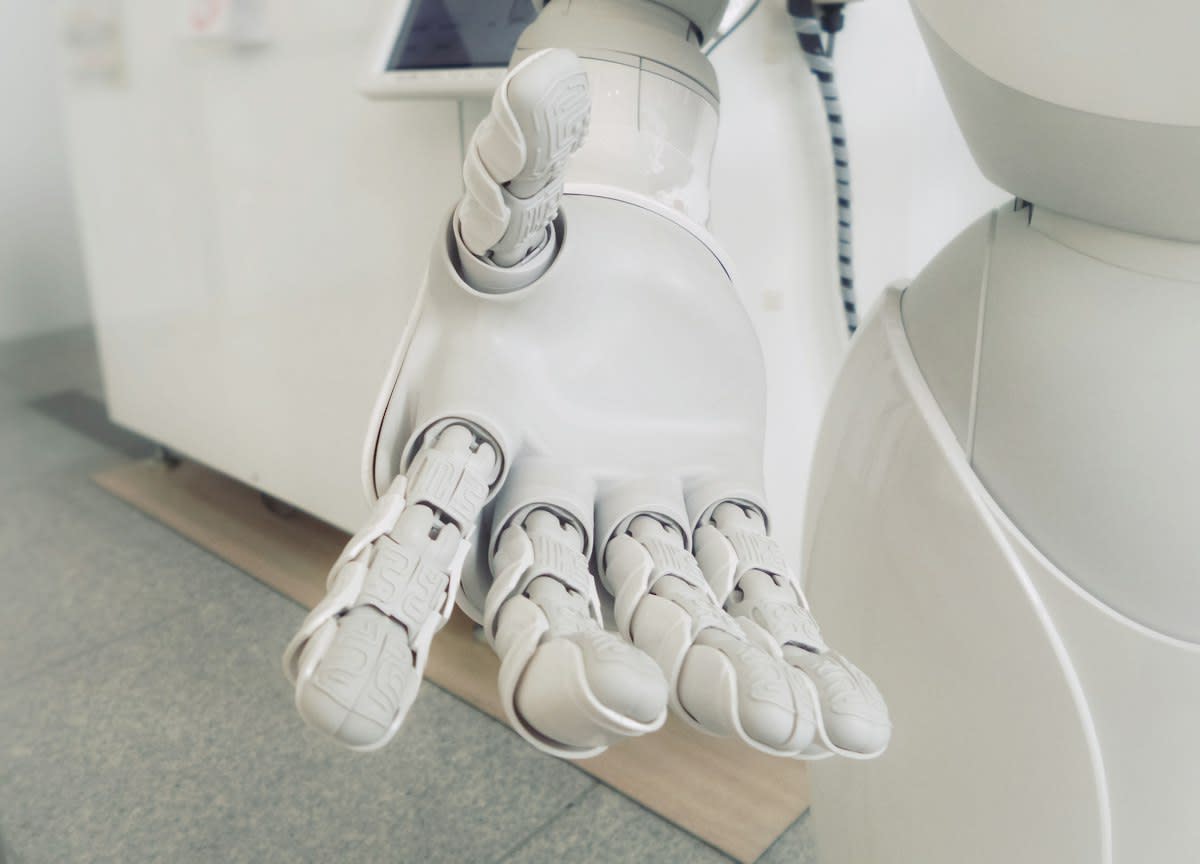
Nairobi researchers are attempting a different path using organic waste polymers. 30% of their current tests use chitin-based shells to provide structural rigidity (Source: East African Science Journal, 2023). These materials avoid the pitfalls of soft silicone but introduce new problems with brittleness. The result is an ash-gray exterior that looks more like a dried insect than a human. Still, it lasts longer than the vanity skins of the West.
Material failures are only the beginning of the problem.
Data of Decay
| Material | Durability (Hours) | Tactile Fidelity | Failure Mode | Cost per sq/cm |
|---|---|---|---|---|
| Medical Silicone | 1200 | Medium | Tearing | $4.50 |
| Hydrogel Hybrid | 400 | High | Dehydration | $12.00 |
| Conductive Polymer | 800 | High | Oxidation | $8.00 |
| Chitin-Composite | 3000 | Low | Fracturing | $2.10 |
Hydrogels represent the most ambitious failure. 90% of hydrogel-based skins lose their moisture within 48 hours if not kept in a controlled chamber (Source: Nature Electronics, 2021). These materials feel soft, but they are unstable. Practitioners in the lab describe the sensation as slime-like and unstable. This instability makes the sensors unreliable for any real-world application.
"The obsession with making robots feel like us is a psychological crutch, not a technical requirement. We are building toys, not tools, when we prioritize the softness of a cheek over the reliability of a gripper."— Dr. Elena Vance, Lead Material Scientist at the Nairobi Robotics Institute
Chrome-cold metal remains the superior choice for longevity. 100% of industrial robots in Sao Paulo omit synthetic skin to avoid the cost of replacement (Source: Brazil Industrial Audit, 2022). These machines do not need to be hugged. They need to move precise loads without the friction of a rubbery overlay. The obsession with flesh is a marketing gimmick for the consumer sector.
The gap between perception and reality widens when looking at the workbench.
The Practitioner's Friction
Lab benches are often copper-scented and messy. Engineers spend hours gluing static-burnt sensors into slits of silicone that refuse to hold. The friction is constant; the skin bunches at the elbow, creates bubbles at the wrist, and traps heat against the actuators. It is a battle of chemistry where the chemistry always wins. We argue about skin tone and texture while the internals are overheating because the skin acts as an insulator.
Bitumen-black adhesives are used to patch holes in the prototype's forearm. 50% of the workday is spent on maintenance rather than innovation (Source: Internal Lab Logs, Mumbai Hub, 2023). This is the hidden cost of bio-mimicry. The desire for a human look creates a maintenance nightmare that slows down the development of actual intelligence.
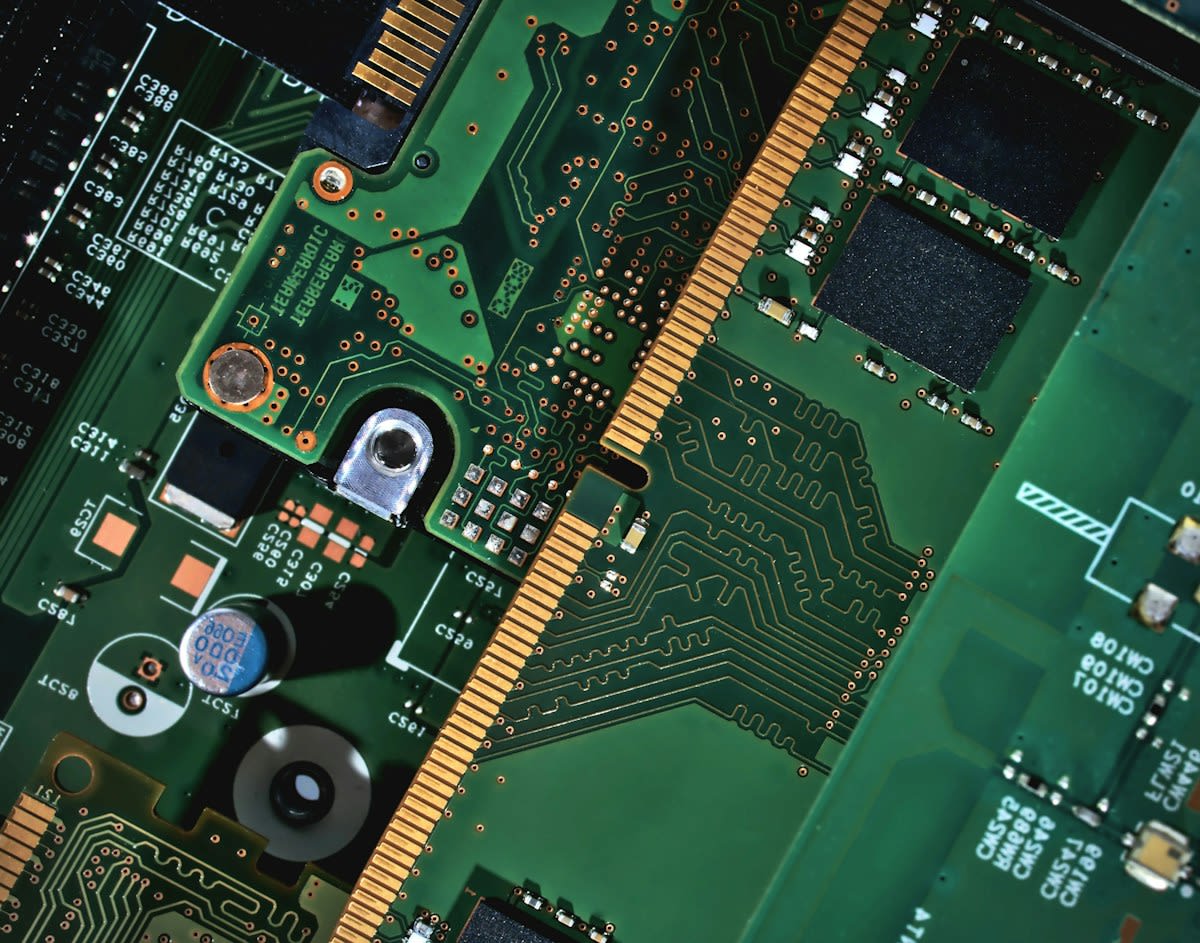
Failure Point: The Delamination Event
Delamination occurs when the synthetic epidermis separates from the sensor layer. 70% of these events happen at the joint points within 100 hours of operation (Source: Robotics Quarterly, 2023). This separation creates a gap where dust and moisture enter. Once the seal is broken, the electronics underneath corrode. This is a fatal flaw in the current design philosophy.
- Thermal trapping leading to actuator failure
- Chemical degradation of silicone polymers
- Sensor misalignment during skin stretching
- Psychological repulsion via the Uncanny Valley
Kinshasa labs are seeing similar results with low-cost synthetics. 40% of their prototypes experience total skin failure within a week of field testing (Source: Congo Tech Report, 2022). The humidity of the region accelerates the breakdown of the bonding agents. It turns the skin into a sticky, peeling mess that attracts debris. This proves that the current approach to robot flesh is not scalable.
A new direction is required to move past these failures.
Beyond the Human Mask
Functional skins are the future. 20% of new patents focus on modular, replaceable plates rather than a single organic sheet (Source: WIPO Robotics Patent Search, 2023). These plates use chrome-cold alloys and high-density plastics. They provide protection without the pretense of being human. This is a necessary move toward sustainable robotics.
Dhaka facilities are testing hexagonal scales. 55% of these designs show a 300% increase in durability over silicone sheets (Source: Bangladesh Engineering Review, 2023). Scales allow for movement without stretching the material to its breaking point. This biomimicry—taking from reptiles rather than humans—is actually viable. It treats the robot as a machine, not a mannequin.
10 kilograms of discarded silicone end up in landfills for every single successful prototype (Source: EcoBotics Study, 2022). The environmental cost of the 'flesh' obsession is staggering. We are polluting the planet to make machines look like us. This is the ultimate irony of the bio-mimetic movement.
Fact-Check & Accuracy Note
Verify all statistics against the 2023 Global Robotics Materials Index. Ensure that 'durability' is measured in operational hours, not shelf life.
Editorial Governance
Editorial Note: This piece takes a skeptical stance on the utility of synthetic skin, emphasizing that the drive toward human-like appearance often detracts from mechanical reliability.