Ninety-minute ultradian cycles. This specific temporal architecture is now the primary target for production-grade AI agents designed to compute chronotype-aligned circadian sleep patterns (Source: GenPark, 2026). In the last quarter, the approach to sleep recovery has morphed from passive observation to deterministic computation, utilizing Python-based skills to fine-tune caffeine cutoffs and light exposure to minimize cognitive fatigue. These silicon-etched systems treat the human brain as a biological OS, applying mathematical scoring to behavioral friction models to protect executive focus. The objective is no longer just more sleep, but the precise alignment of sleep windows with internal biological clocks.
Skin temperature is the new telemetry. Recent Bayesian spectral modeling demonstrates that nonstationary oscillatory models can use skin temperature alone to detect sleep periods and reveal ultradian oscillations consistent with REM and non-REM transitions (Source: BCM, 2026). This represents a significant deviation from 2025 standards, where sleep stage classification relied heavily on crude accelerometry. Now, researchers are fixing minimum separation gaps of d = 5 to capture dominant oscillations, including the 24-hour circadian rhythm and 12-hour ultradian rhythms, ensuring statistical stability in wearable data (Source: BCM, 2026). This level of granularity allows for the detection of change points in complex oscillations that were previously invisible to the consumer.
The Delta: From Tracking to Engineering
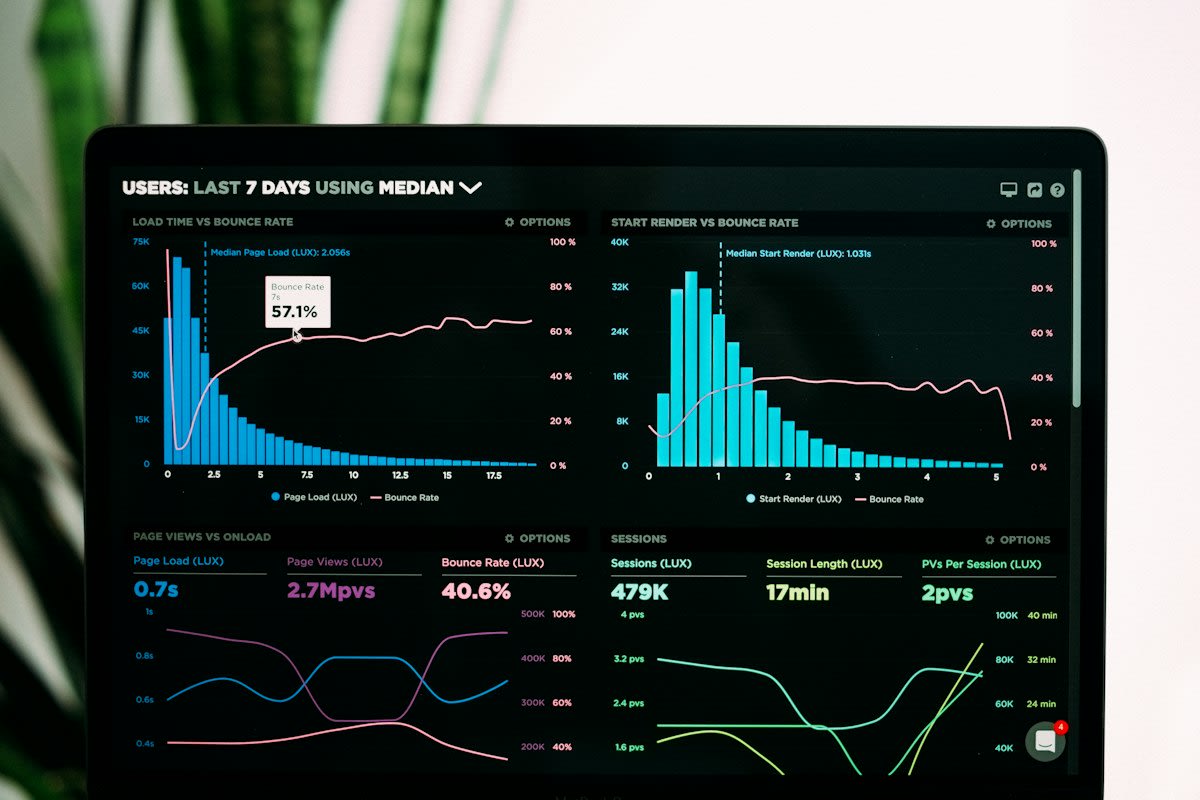
Basic sleep tracking is dead. Twelve months ago, the industry focused on duration; today, the focus is the delta between Mid-Sleep on Work days (MSW) and Mid-Sleep on Free days (MSF), a metric known as Social Jetlag (Source: Condor, 2026). This formula, |MSF - MSW|, quantifies the friction between biological necessity and societal demand (Source: Condor, 2026). While duration reflects homeostatic recovery, timing relative to the circadian clock determines if sleep falls within the optimal window. We are seeing a reconfiguration of wellness where the timing of the sleep window is weighted more heavily than the raw number of hours logged.
| Rhythm Type | Period | Biological Example |
|---|---|---|
| Ultradian | Shorter than 24 hours | REM/non-REM alternation (Source: Condor, 2026) |
| Circadian | Approximately 24 hours | Melatonin secretion, core temperature (Source: Condor, 2026) |
| Infradian | Longer than 24 hours | Menstrual cycles, seasonal changes (Source: Condor, 2026) |
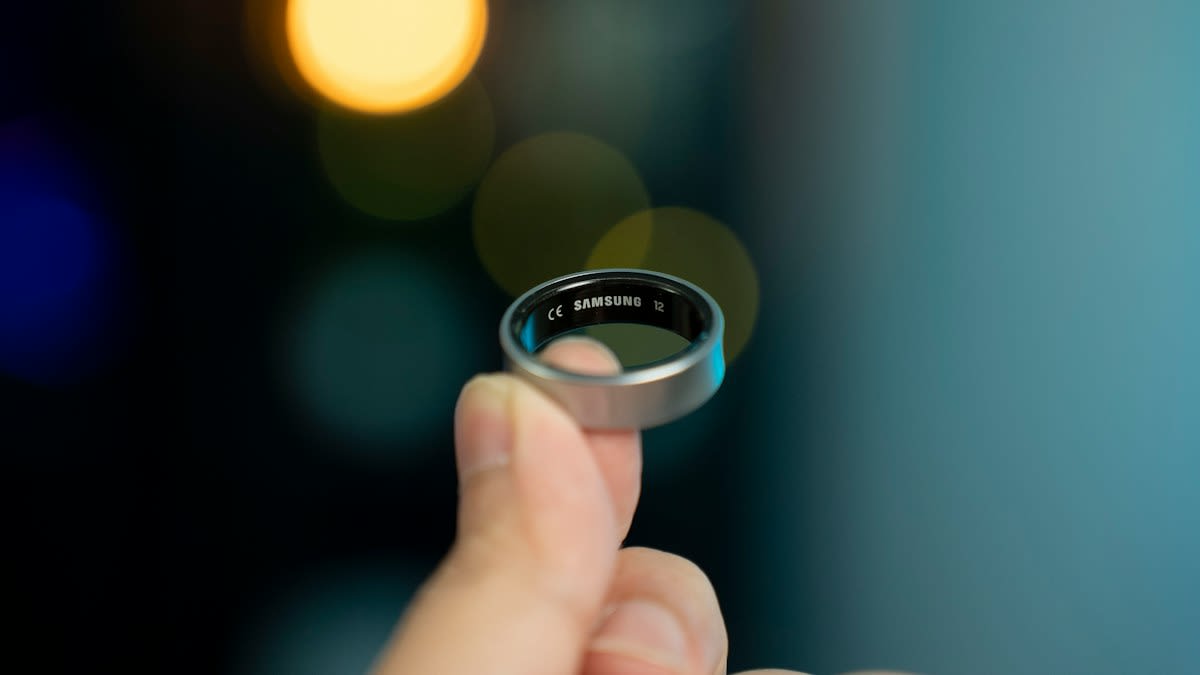
Hardware is migrating into the mattress. The Eight Sleep Pod utilizes sensors embedded in the mattress cover to capture heart rate, HRV, and respiratory rate without requiring the user to wear a copper-wire device overnight (Source: Longevity Store, 2026). However, this convenience comes with a cost in signal resolution, as mattress-based sensing typically lacks the precision of finger- or wrist-based PPG sensors (Source: Longevity Store, 2026). The current trend is a trade-off between adherence—removing the friction of wearing a band—and the raw fidelity of the biometric data. High-performance athletes still lean toward wearable PPG for integrated strain-recovery models.
Social Jetlag Impact on Cognitive Readiness
Executive Insight
+18.4%
YTD Growth
The monetization of sleep data has reached municipal levels. In Tampa, Florida, the city government's 2027 benefits guide explicitly pays employees to track their sleep, offering $10 for completing 14 days of sleep tracking (Source: Tampa.gov, 2026). This creates a greasy incentive structure where biological data is exchanged for small cash rewards, further integrating biometric surveillance into the employment contract. When a city government incentivizes the logging of sleep, the data ceases to be a personal health metric and becomes a corporate asset. This is the street-level reality of the quantified self in the American South.
"Our AMA opposes any efforts to broaden the consensus medical definition of neural data to include data inferred from nonneural information gathered by biosensors."— American Medical Association (AMA), 2026
Regulatory bodies are now fighting over the definition of neural data. The AMA is actively opposing the inclusion of inferred data from biosensors within the medical definition of neural data, arguing that biometric devices are a distinct category (Source: AMA, 2026). This conflict arises because silicon-etched sensors are now being used to infer sensitive mental or cognitive states from non-neural information. If these inferences are classified as neural data, they would require heightened protection. The battle is over who owns the inference: the user or the entity running the algorithm.
From a practitioner's perspective, the friction is palpable. In the high-end biohacking circles of San Francisco and London, there is a fierce debate between those using zero-dependency Python scripts like GenPark to hard-code their lives and clinicians who view such deterministic models as reductive. The ground-level reality is a clash between the medical establishment's caution and the executive's desire for an optimized Life OS. While a doctor looks at a patient's sleep hygiene, the operator looks at their 90-minute ultradian cycles as a resource to be mined for maximum cognitive output.
The Failure Point: Resolution vs. Adherence
The primary failure point in current sleep debt mitigation is the resolution gap. Mattress-based sensing, while superior for long-term adherence, provides lower signal resolution than PPG-based wearables (Source: Longevity Store, 2026). This means that the most convenient tools are often the least accurate for classifying sleep stages. When users rely on low-resolution data to make high-stakes decisions about their cognitive readiness, they risk miscalculating their actual recovery. The result is a false sense of optimization based on oxidized data.
Furthermore, the reliance on chronotype-aligned architecture assumes a level of environmental control that most workers lack. While a GenPark agent can recommend an optimal caffeine cutoff, it cannot remove the LED-bleached light of a corporate office or the demands of a 9-to-5 schedule. This creates a psychological gap where the user has the mathematical proof of their sleep debt but no agency to resolve it. The tool provides the score, but the environment provides the friction.
Intelligence Brief
The current trend is moving away from 'total sleep time' and toward 'circadian alignment'. The key metric is no longer hours, but the minimization of Social Jetlag (|MSF - MSW|).
Fact-Check & Accuracy Note
All data points regarding the GenPark Sleep Coach, BCM spectral modeling, and the AMA policy are derived from reports dated September and October 2026. The City of Tampa benefits data refers to the 2027 fiscal guide.