The Myth of the All-Nighter
Sleep is not luxury. While the competitive halls of Lagos universities reward the student who pulls all-nighters to secure a top rank, this behavioral pattern often masks a dangerous erosion of the brain's physical infrastructure. Ambition carries a cost. Do we really believe that grinding through the night increases intelligence when the biological cost is a reduction in the thalamus? This deep brain structure manages information processing and complex thinking, yet students treat it as an infinite resource. The result is brittle.

Rest is a tool. When students in Lagos sacrifice sleep to climb the social and academic hierarchy, they often ignore how this deficit physically shrinks the thalamus responsible for complex thinking. The brain pays first. Research analyzing 57 neuroimaging studies confirms that sleep disorders, including dyssomnias and parasomnias, are associated with a reduction in the thalamus (Source: ScienceDaily, 2026). This structural change explains why a student might maintain a high GPA while simultaneously experiencing slower reactions and an increased likelihood of errors. Status becomes a mask.
"Researchers at Florida International University analyzed 57 neuroimaging studies of adults and found an association between various sleep disorders and structural differences in the brain, specifically a reduction in the thalamus."— Florida International University, Center for Children and Families
Watch the emotions. In cases of parasomnias, the posterior cingulate cortex—which governs motivation and emotion regulation—also shows physical changes (Source: Scientific Reports, 2026). This means the student who stays awake to study is not just tired; they are losing the neurological grip on their own emotional stability. They become volatile. Such changes create a feedback loop where the drive for status overrides the biological need for recovery, leading to a slow decay of executive function.
Prerequisites for Neurological Recovery
Stop the bleed. Before attempting to optimize a sleep schedule, a student must first acknowledge that cognitive decline is a physical reality rather than a lack of willpower. Knowledge is the first step. You will need a baseline understanding of your own circadian rhythm to determine if you are suffering from a simple lack of sleep or a deeper misalignment. This distinction is vital. In Australia, researchers found that 23% of adults with a history of depression met the criteria for circadian depression, where sleep-wake disruption is a primary driver rather than a symptom (Source: British Journal of Psychiatry, 2026).
- A baseline sleep log to track latency and wake-up times.
- Access to spaced-repetition software to reduce study hours.
- Heart Rate Variability (HRV) monitoring tools for stress regulation.
- A dedicated environment free from the social pressure of 'status-grinding'.
Identify the friction. Within the medical schools of Nigeria, there is a silent war between old-guard professors who value endurance and a new generation of students who recognize the weight of neurological burnout. I have seen residents argue that sleep deprivation is a rite of passage, while the data shows it is actually a mechanical failure of the brain. This dispute is rarely public. Yet, the friction manifests in the clinic as preventable medical errors caused by a reduced thalamus.
The Recovery Playbook: Step-by-Step
- Audit your cognitive speed. Monitor for slower reactions or frequent decision-making errors, which are hallmarks of thalamic reduction (Source: ScienceDaily, 2026).
- Shift to high-efficiency learning. Replace marathon study sessions with spaced repetition learning through tools like Anki, which has been shown to improve medical board exam performance (Source: International Journal of Medical Students, 2023).
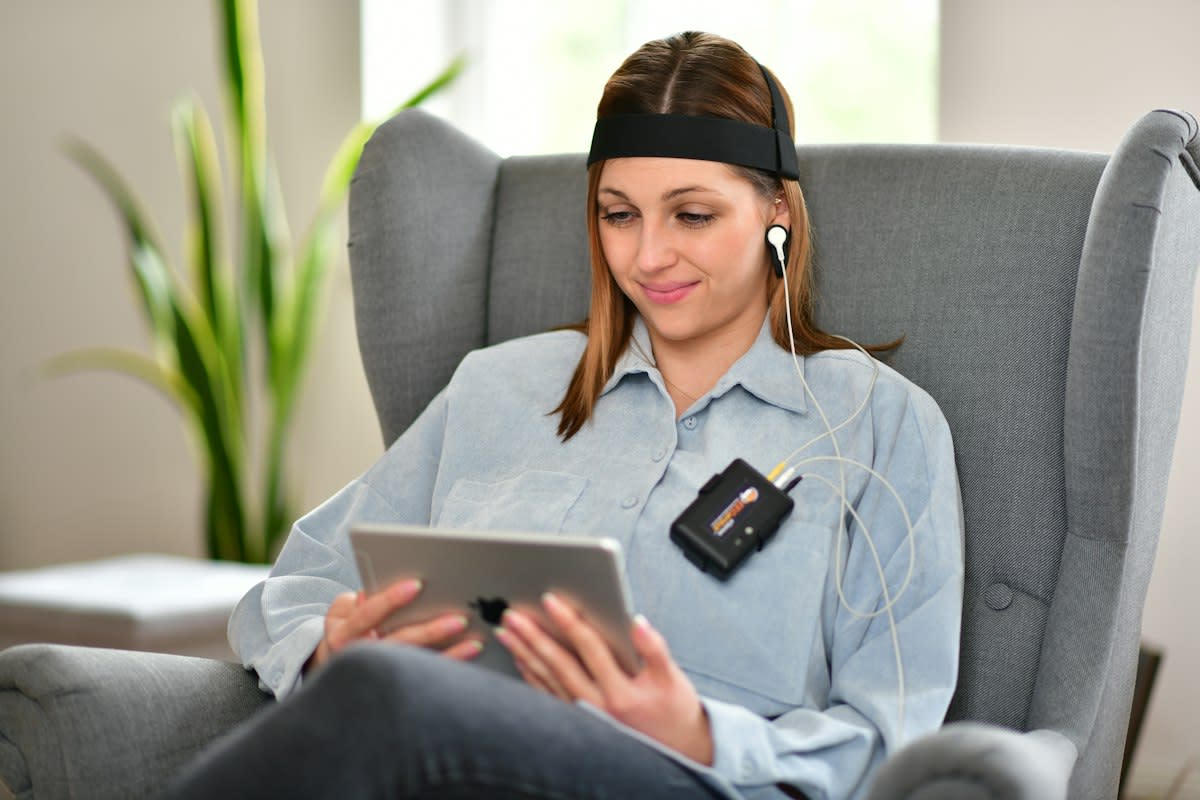
- Regulate the autonomic nervous system. Use biofeedback instruments to monitor heart rate variability (HRV), allowing you to practice controlled breathing to improve physiological regulation (Source: Straits Research, 2025).
- Screen for circadian misalignment. If mood drops coincide with sleep-wake disruptions, evaluate the possibility of circadian depression to seek personalized care (Source: British Journal of Psychiatry, 2026).
- Establish a non-negotiable sleep window. Protect a minimum of seven hours to allow the posterior cingulate cortex to regulate emotions and motivation.
Measure the results. By implementing these steps, students can decouple their academic status from their sleep debt. This transition requires a hard turn in mindset. In India, studies on healthcare access and health behavior show that environmental stressors often dictate biological outcomes (Source: International Journal of Medical Students, 2023). By controlling the internal environment through biofeedback and efficient study habits, the student regains agency over their brain structure.
| Brain Region | Function | Impact of Sleep Disorder |
|---|---|---|
| Thalamus | Information processing / Attention | Reduction in size; slower reactions (Source: ScienceDaily, 2026) |
| Posterior Cingulate Cortex | Motivation / Emotion regulation | Structural changes; emotional instability (Source: Scientific Reports, 2026) |
| Autonomic Nervous System | Heart rate / Blood pressure | Dysregulation; requires HRV training (Source: Straits Research, 2025) |
Common Pitfalls in Sleep Recovery
Avoid the stimulants. Many students attempt to bypass thalamic reduction by flooding their system with caffeine or prescription stimulants. This is a mistake. While stimulants may provide a temporary illusion of alertness, they do not repair the structural damage to the posterior cingulate cortex. They only hide the symptoms.
Ignore the social pressure. The desire to be seen as the hardest worker in the room often leads to 'performative exhaustion.' This is a trap. True cognitive elite status comes from the ability to process complex information rapidly, which is impossible with a shrunken thalamus. Prioritize the biology over the image.
Fact-Check & Accuracy Note
The association between sleep disorders and reduced thalamus size is established through neuroimaging, but researchers emphasize that this does not yet prove a direct causal relationship (Source: ScienceDaily, 2026). Academic debate continues regarding whether the structural changes cause the sleep disorder or if the disorder causes the changes.
Seek professional help. Some sleep issues are not behavioral but neurological. For instance, autonomic neuropathy can be caused by diabetes and affects the nerves that run without conscious permission (Source: CDC/Acibadem, 2026). If sleep issues are accompanied by blood pressure instability or glucose issues, a medical diagnosis is required. Do not self-diagnose.