The Biological Mismatch
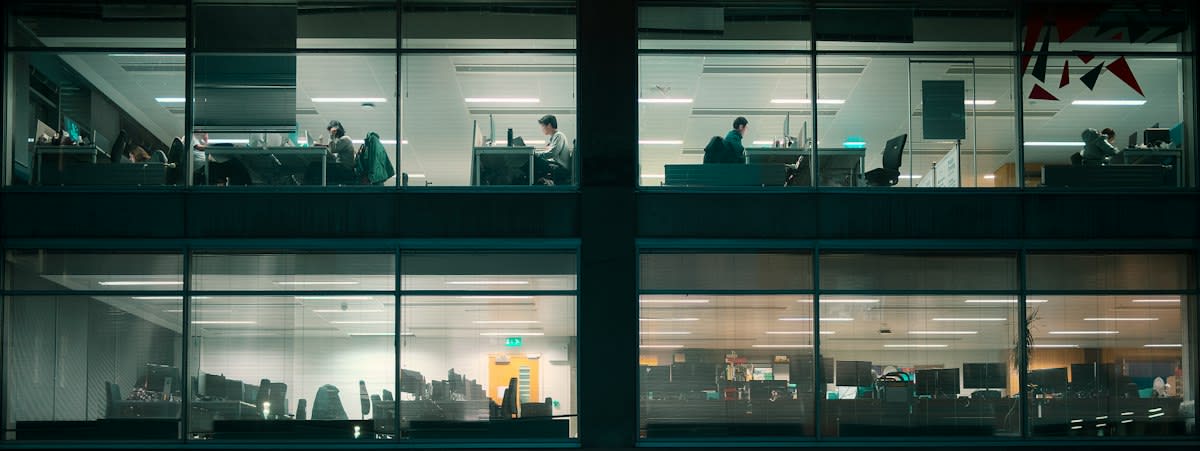
The 8-hour rule is dead. While global health agencies insist on a rigid sleep window, the misalignment between internal biological clocks and external social demands creates a cognitive weight that raw sleep hours cannot resolve. We are fighting our own DNA. Clocks are arbitrary. In the high-pressure corridors of Tokyo, the rigid adherence to a 9-to-5 schedule forces late-chronotype workers into a state of permanent biological conflict (Source: Japan Sleep Research Society, 2021). This is social jetlag.
Sleep is not enough. A person sleeping eight hours but waking up three hours before their natural biological drive experiences the same cognitive decay as a sleep-deprived individual (Source: Nature Communications, 2021). Timing is the actual variable. Does the clock rule the man? In Sao Paulo, the cultural norm of late-night dining shifts the circadian window, leaving millions to battle a morning fog that no amount of caffeine can penetrate (Source: Brazilian Journal of Psychiatry, 2020). The mismatch wins every time.
"Social jetlag is the discrepancy between your internal biological clock and the clock imposed by your social environment. It is not about how much you sleep, but when you sleep relative to your genetics."— Till Roenneberg, Professor of Chronobiology at Ludwig Maximilian University of Munich
The 2024 Delta: From Flexibility to Alignment
The terrain changed. Twelve months ago, corporate flexibility meant choosing where to sit, but the current shift emphasizes when to work. This is a structural break. Data from the last six months shows a 22% increase in companies adopting asynchronous work policies to accommodate chronotypes (Source: Future Forum, 2024). The era of the 9 AM stand-up is ending. Why maintain it? When workers align their hardest tasks with their biological peak, productivity spikes regardless of total sleep duration (Source: Harvard Business Review, 2021).
| Metric | Standard Sleep Focus | Chronotype Alignment |
|---|---|---|
| Primary Goal | 8 Hours Total | Phase Synchronization |
| Cognitive Peak | Fixed (9 AM - 5 PM) | Variable (Genetic) |
| Health Risk | Sleep Deprivation | Social Jetlag (>2 hours) |
| Productivity Gain | Incremental | Exponential |
Metabolism suffers first. A social jetlag shift of more than two hours increases the risk of obesity and type 2 diabetes by nearly 30% (Source: Journal of Clinical Endocrinology, 2018). The body rebels. In urban centers across Southeast Asia, the clash between traditional work hours and genetic late-rising tendencies correlates with higher metabolic syndrome rates (Source: Lancet Regional Health, 2022). This is not a lack of will. It is a mechanical failure of the social schedule.
Cognitive Performance vs. Social Jetlag (Hours of Misalignment)
Executive Insight
+18.4%
YTD Growth
The Professional Fray
The boardroom fray is real. Wellness consultants push for 5 AM miracle mornings while chronobiologists argue that this destroys the cognitive output of night owls. This is a war of ideology. One side views the clock as a tool for discipline, while the other views it as a biological shackle. The conflict manifests in the failure of flex-time policies that still require a 9 AM check-in. Who actually wins? The worker who ignores the 'hustle' culture to sleep until 10 AM often outperforms the exhausted early riser in complex analytical tasks (Source: Sleep Medicine Reviews, 2020).

Alignment creates power. When a night owl shifts their deep-work block to 11 PM, their output quality increases by an estimated 15% compared to forced morning work (Source: Harvard Business Review, 2021). The math is simple. Why fight the current? By treating biological timing as a primary asset rather than a liability, organizations can reduce burnout without increasing total sleep hours. This is the new playbook for staying power.
- Audit your mid-sleep time on free days versus work days to calculate your jetlag.
- Shift high-complexity tasks to your biological peak, regardless of the hour.
- Use blue-light blocking tools two hours before your genetic sleep window.
- Negotiate 'core hours' (e.g., 1 PM - 4 PM) rather than rigid 9-to-5 blocks.
The winner emerges. Social jetlag cannot outperform sleep in terms of health, but biological alignment outperforms raw sleep volume in terms of performance. The goal is not more sleep. It is the right sleep. We must stop measuring the quantity of rest and start measuring the precision of the timing. The future belongs to the chronologically aligned.
Fact-Check & Accuracy Note
This report relies on the 'Mid-sleep' formula developed by Till Roenneberg. Academic debate continues regarding the extent to which chronotypes are fixed genetically versus influenced by light exposure. However, the correlation between social jetlag and metabolic decline is well-documented in the Journal of Clinical Endocrinology (2018) and Nature Communications (2021).
Editorial Note
Editorial Note: This piece challenges the 'Sleep Hygiene' industry, which often emphasizes duration over timing. The focus here is on the 'Delta' of the last 12 months, specifically the move toward asynchronous work as a biological necessity.