
The Myth of the Clean Home
Cleanliness is a trap. When urban centers in newly developed nations adopt extreme hygiene protocols, they accidentally cultivate a soil where Inflammatory Bowel Disease thrives due to a lack of early childhood pathogen exposure (Source: JOGH, 2026). The immune system becomes bored. This biological vacuum forces the body to hunt for enemies where none exist, transforming the gut into a battlefield of self-destruction (Source: JOGH, 2026). We trade germs for chronic illness.
Wealth breeds sickness. In high-income urban areas, the perceived safety of a sterile environment creates a brittle internal ecology that cannot handle minor stressors (Source: JOGH, 2026). This is the hygiene hypothesis in action. It suggests that individuals who avoid common pathogens during their formative years fail to calibrate their immune responses, leading to a higher prevalence of IBD in developed regions compared to rural, low-income areas (Source: JOGH, 2026). Nature demands a certain level of dirt.
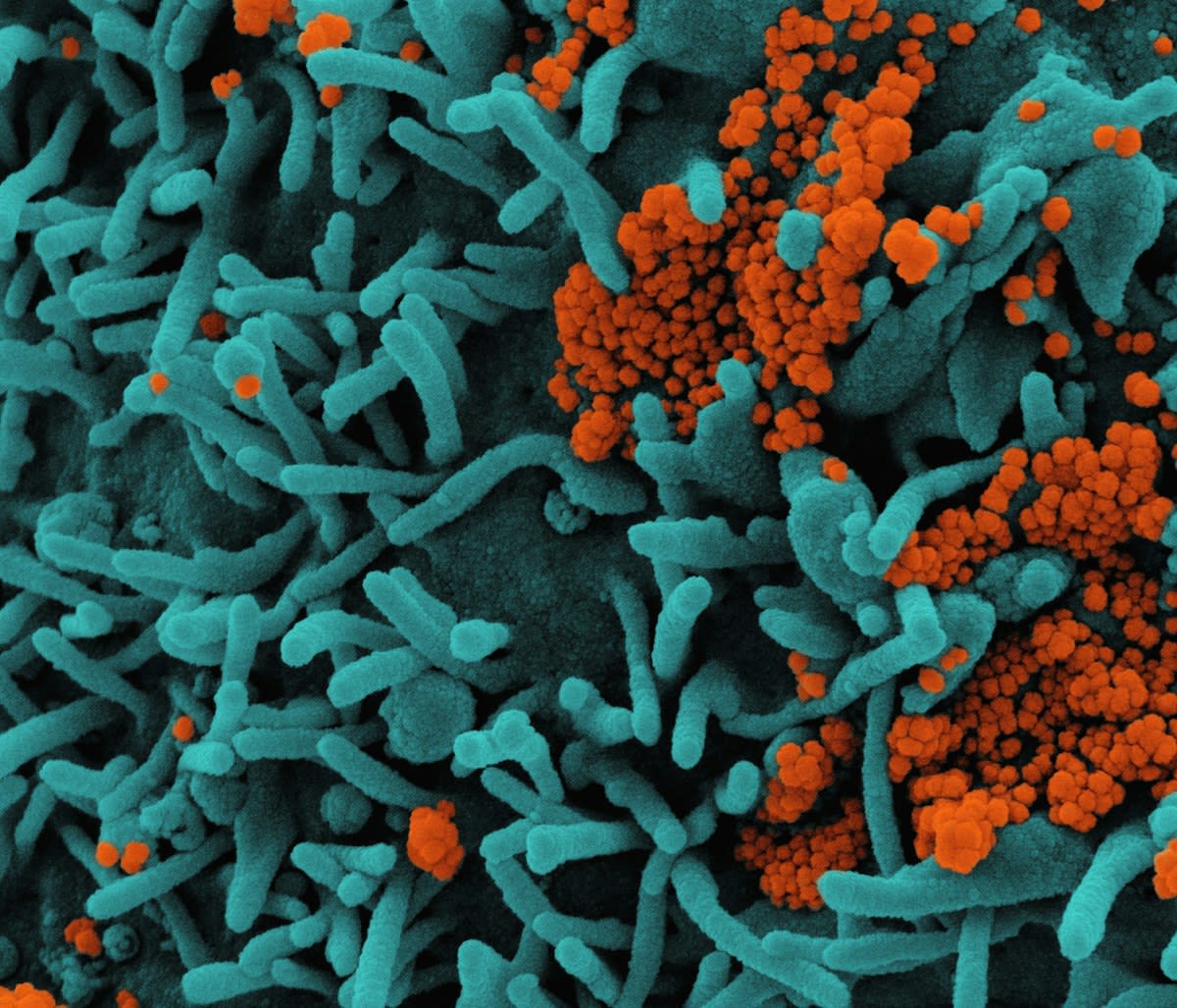
Is purity actually poison? Higher socioeconomic status facilitates a lifestyle that removes the very challenges the human body requires to remain stable (Source: JOGH, 2026). We see this manifest in the way SES shapes risk through a series of intermediate variables, including dietary choices and the avoidance of natural microbial exposure (Source: JOGH, 2026). The cost of comfort is autoimmune failure.
The Invisible Architects of Metabolism
Archaea are essential. Once dismissed as relics of extreme environments, these organisms are now recognized as widespread colonizers of the mammalian host with critical roles in gut metabolism (Source: Nature Reviews Microbiology, 2026). They manage the gas. Specifically, methanogenic archaea engage in microbial syntrophy, acting as the waste management system for the bacteriome to ensure efficient energy extraction from food (Source: Nature Reviews Microbiology, 2026). Without them, the system stalls.
"Archaea are a fundamental yet historically overlooked part of the mammalian microbiome."— Christine Moissl-Eichinger, Nature Reviews Microbiology
Microbes define us. The diversity of the gut microbiome varies systematically across different dietary patterns, physical activity levels, and disease categories like Type 2 Diabetes and IBD (Source: Nature Medicine, 2026). We are not individuals. We are walking ecosystems where the Shannon diversity index serves as a marker for whether our internal terrain is thriving or collapsing (Source: Nature Medicine, 2026). Low diversity equals high risk.
Diet drives diversity. Analysis of the microbiome-mediated axes reveals that alcohol intake, coffee, fruits, and dairy significantly influence Bray-Curtis distances, which measure the difference between microbial communities (Source: Nature Medicine, 2026). These lifestyle factors act as the primary levers. They determine whether the gut remains a diverse forest or becomes a monoculture of disease-prone bacteria (Source: Nature Medicine, 2026). Choice dictates health.
| Variable | High SES / Urban Impact | Low SES / Rural Impact | Immune Outcome |
|---|---|---|---|
| Pathogen Exposure | Reduced childhood exposure | Frequent natural exposure | Risk of IBD (High SES) |
| Microbial Diversity | Lower Shannon Index | Higher Shannon Index | Metabolic Stability |
| Lifestyle Axis | Processed diet / Low activity | Whole foods / High activity | T2D and IBD Susceptibility |
| Archaeome Status | Potentially depleted | Diverse methanogens | Gut Metabolic Efficiency |
Complexity is the cure. The interaction between the host and the archaeome creates a functional profile that dictates how we process nutrients and resist inflammation (Source: Nature Reviews Microbiology, 2026). We cannot simplify this. Trying to treat IBD or Diabetes without addressing the total microbial load is like trying to fix a forest by painting the leaves (Source: Nature Medicine, 2026). The root is missing.
The Lung-Mouth Pipeline
Oral health matters. New data suggests a link between oral hygiene scores and the microbiological findings in patients undergoing bronchoscopies for non-infectious reasons (Source: Cureus, 2026). Bacteria migrate downward. Higher oral hygiene scores were associated with lower adjusted odds of oral flora isolation in the lungs, with an aOR of 0.853 (Source: Cureus, 2026). The mouth seeds the lung.
Stats hide nuances. While the relative risk of flora isolation dropped by approximately 15% with better oral hygiene, the p-value of 0.094 indicates that this result did not reach statistical significance (Source: Cureus, 2026). It is a hint. This finding remains exploratory and hypothesis-generating, suggesting that while the mouth influences the lungs, the grip of the immune system on the lower respiratory tract is more complex (Source: Cureus, 2026). We lack definitive proof.

Focus on the whole. The connection between oral flora and MAC infections remains limited, but the trend suggests a holistic migratory path for microbes (Source: Cureus, 2026). We cannot isolate organs. The body operates as a unified web where the hygiene of one portal affects the sterility of another (Source: Cureus, 2026). Everything is connected.
The Practitioner's Friction
Clinicians are fighting. In the halls of modern hospitals, a quiet war rages between the old guard of sterile fields and the new wave of microbiome ecologists. The old guard demands zero colony forming units to prevent sepsis, while the ecologists argue that this scorched-earth approach leaves patients vulnerable to opportunistic pathogens once they leave the ward. It is a fundamental disagreement over what 'clean' actually means. One side sees a void as safety; the other sees it as a vulnerability.
Protocol is a playbook. Most medical training emphasizes the elimination of microbes, yet the data on IBD and the archaeome suggests that elimination is the problem (Source: JOGH, 2026; Nature Reviews Microbiology, 2026). We teach doctors to kill. Then we wonder why the patients' immune systems start killing the patients. The contradiction is glaring.
Fact-Check & Accuracy Note
The Cureus (2026) study on oral hygiene and bronchoscopic findings reports an adjusted odds ratio (aOR) of 0.853. However, with a p-value of 0.094, it fails the standard threshold for statistical significance (p < 0.05). This means the observed 15% reduction in flora isolation could be due to chance. Academics debate whether 'hypothesis-generating' data should influence clinical practice or remain purely theoretical.
Adaptation is the way. We must shift from a model of sterilization to a model of curated diversity. By integrating the knowledge of the mammalian archaeome and the impacts of SES on IBD, we can move toward a medicine that fosters beneficial colonization (Source: Nature Reviews Microbiology, 2026; JOGH, 2026). This is the new goal. We must learn to be dirty again.