AAP Invokes 1984 Riots In Attack On Rahul Gandhi After His 'Drinking' Jab At Bhagwant Mann
Source Entity
NDTV News Search Records Found 1000
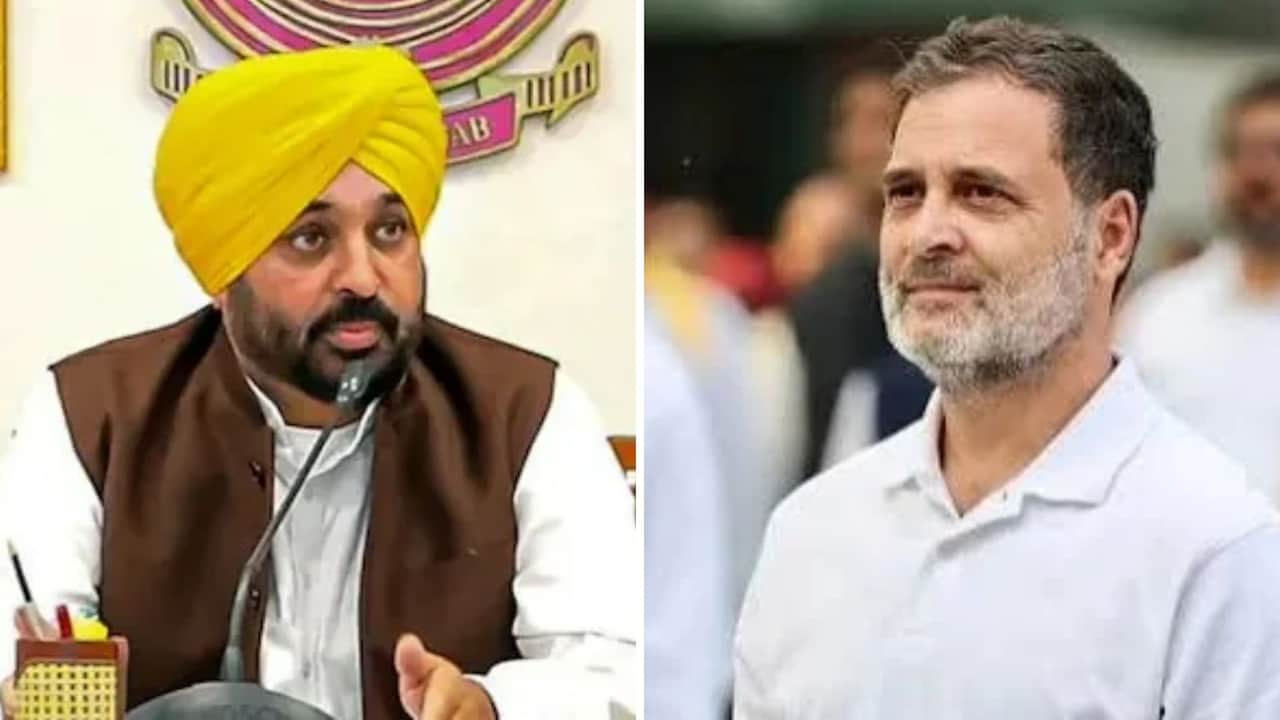
The Aam Aadmi Party has responded sharply to Rahul Gandhi's recent criticism of Punjab CM Bhagwant Mann. The AAP leadership invoked the 1984 anti-Sikh riots to counter Gandhi's remarks regarding Mann's alleged drinking habits.
Political Tensions Escalate in Punjab
The recent exchange between the Indian National Congress and the Aam Aadmi Party (AAP) has signaled a significant cooling of relations between the two opposition forces. The controversy was ignited when Congress leader Rahul Gandhi directed a pointed critique toward Punjab Chief Minister Bhagwant Mann during a public rally in Sangrur. Gandhi’s comments, which specifically targeted Mann’s alleged drinking habits, have been interpreted by the AAP as a low-blow personal attack rather than a critique of governance.
AAP’s Strategic Retaliation
In a swift and aggressive response, the Aam Aadmi Party chose to move beyond mere denials, opting instead to invoke the specter of the 1984 anti-Sikh riots to discredit the Congress party. By linking Rahul Gandhi’s remarks to the historical trauma of 1984, the AAP is attempting to reframe the narrative from one of personal conduct to one of institutional culpability. This rhetorical shift is a calculated move to mobilize sentiment among the party's core support base in Punjab, where the legacy of 1984 remains a sensitive and potent political issue.
The Impact on Opposition Unity
This confrontation raises critical questions regarding the viability of opposition unity, particularly in the context of the INDIA bloc. While both parties have sought to align against the ruling dispensation at the national level, their fierce rivalry in Punjab continues to act as a major stumbling block. The Sangrur incident demonstrates that local political compulsions often override national-level strategic cooperation, making it difficult for the two parties to present a unified front during electoral campaigns.
Historical Context and Political Symbolism
The invocation of the 1984 riots is rarely accidental in Punjabi politics. It serves as a powerful instrument to remind voters of the Congress party's historical baggage in the state. By weaponizing this history in response to Gandhi’s personal jabs, the AAP is signaling that it will not tolerate criticism that undermines the office of the Chief Minister, effectively drawing a red line that forces Congress to account for its historical grievances rather than focusing on current administrative failures.
Future Trends in Regional Dynamics
Looking ahead, this escalation suggests that the political climate in Punjab will likely remain volatile. As both parties vie for dominance in the state, personal attacks are becoming an increasingly common feature of their discourse. For the AAP, maintaining the image of Bhagwant Mann is paramount, and they have shown a willingness to deploy high-stakes historical narratives to defend him. Conversely, the Congress party’s attempt to highlight perceived leadership flaws suggests that they believe the CM’s personal reputation is a vulnerability they can exploit to regain lost ground.
Conclusion
The clash in Sangrur serves as a microcosm of the broader tensions defining the Indian political landscape. While the immediate trigger was a jab at personal habits, the reaction highlights the deep-seated historical and ideological divides that prevent a seamless coalition. As these parties continue to trade barbs, the electorate is left to navigate a landscape where historical trauma and contemporary governance discourse are inextricably linked.
Verification Required?