CM must stop claiming credit for BBMB verdict: Jai Ram
Source Entity
Latest News: Todays Latest News Headlines from India & World | Hindustan Times
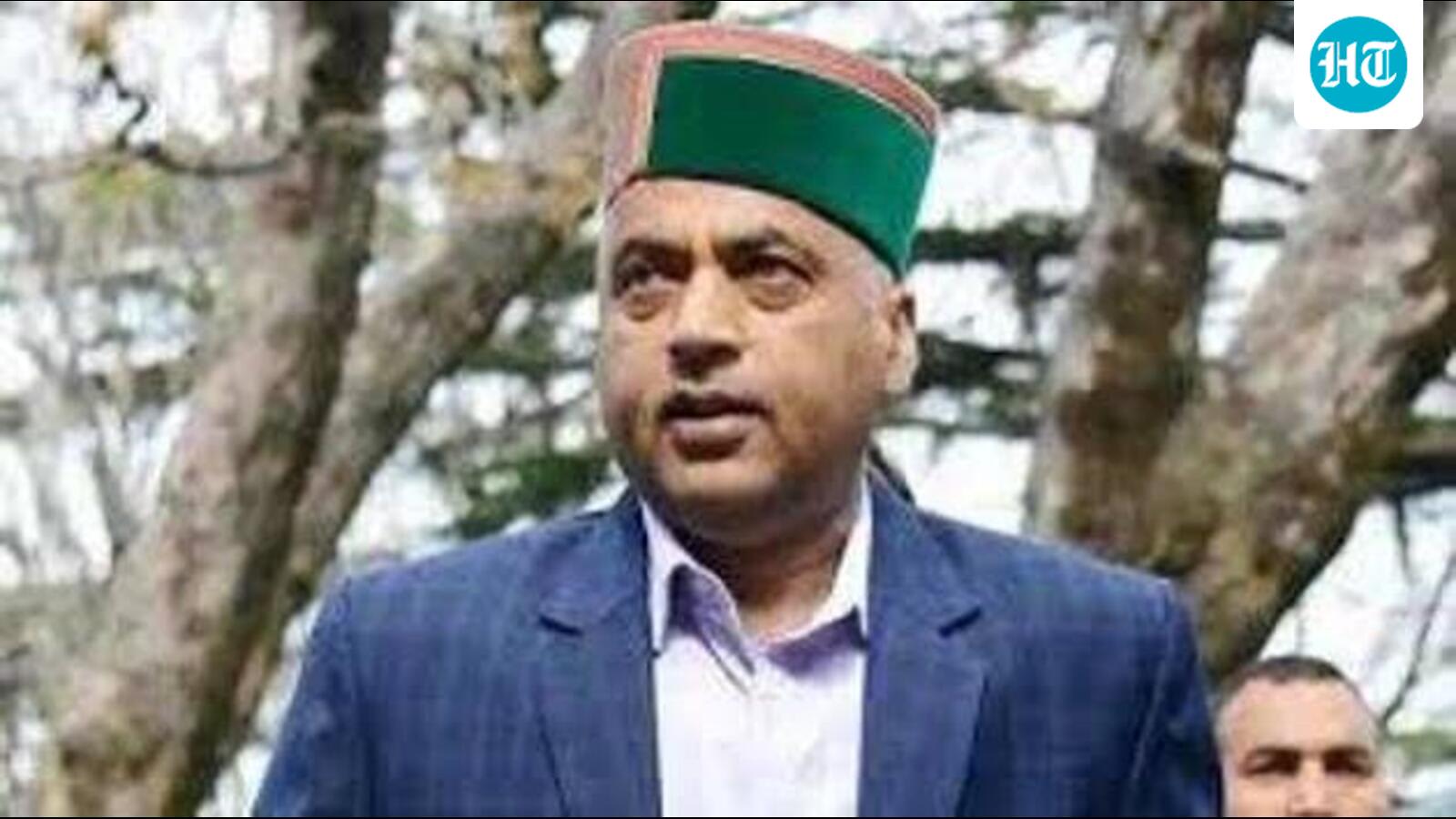
The Supreme Court's verdict on Himachal Pradesh's share in BBMB arrears has ignited a political clash between CM Sukhvinder Singh Sukhu and former CM Jai Ram Thakur. While Sukhu credits his government's 'tough' negotiation stance, Thakur emphasizes that the victory is the culmination of three decades of collective legal effort.
The BBMB Legal Battle: A Political Tug-of-War
The recent Supreme Court verdict regarding Himachal Pradesh’s rightful share in the Bhakra Beas Management Board (BBMB) arrears has triggered a significant political confrontation in the state. While the judgment marks a pivotal moment for the state's economic interests, it has simultaneously become a battleground for political credit between the incumbent Chief Minister, Sukhvinder Singh Sukhu, and the Leader of the Opposition, Jai Ram Thakur.
Historical Context and Legal Struggle
The dispute over Himachal Pradesh’s share in the BBMB is deeply rooted in the 1966 reorganisation of Punjab. For nearly three decades, the state has been engaged in a complex legal struggle to secure its dues. Former Chief Minister Jai Ram Thakur has been quick to frame the recent Supreme Court victory as the result of a long-term, multi-generational effort. He argues that the verdict is not the product of any single administration but rather the culmination of consistent judicial intervention and the support of successive state and central governments over the last thirty years.
The 'Tough Stance' Argument
Conversely, Chief Minister Sukhvinder Singh Sukhu has attributed the breakthrough to the proactive political will of his administration. According to the CM, the breakthrough occurred because his government adopted a rigid stance during negotiations regarding the Kishau Dam project. Sukhu claims that he explicitly linked the progress of the 440-MW Kishau Dam to the resolution of the long-pending BBMB dues, effectively using the state's leverage to force a resolution. He pointedly noted that while a decree had been passed years ago, the case stagnated for 15 years because previous governments failed to file necessary responses in a timely manner.
Conflicting Narratives of Governance
The narrative clash underscores a broader trend in Indian state politics where judicial wins are increasingly utilized to bolster the legitimacy of the incumbent government. Sukhu’s assertion that his government prioritized the fight immediately upon taking office in 2022 serves to contrast his administration with his predecessors. By highlighting the failure to process legal replies in the past, he seeks to position his government as more decisive and results-oriented.
Implications for Future Infrastructure
The resolution of the BBMB arrears case is not merely a symbolic victory; it has tangible economic implications for Himachal Pradesh. By successfully linking this issue to the Kishau Dam project, the current government has set a precedent for how it intends to handle inter-state power and infrastructure disputes. The assurance from the Haryana government to file an affidavit in the Supreme Court following these negotiations demonstrates how regional power dynamics are shifting based on these newly asserted state rights.
Conclusion
Ultimately, the BBMB verdict represents a significant milestone for Himachal Pradesh’s fiscal health, yet the political fallout reveals deep divisions in how credit is claimed for long-term policy successes. While Jai Ram Thakur emphasizes the institutional continuity of the legal battle, Sukhvinder Singh Sukhu emphasizes the efficacy of aggressive, high-stakes negotiation. As the state moves forward, the ability of the government to turn these legal gains into concrete economic development will likely be the true test of this victory.
Verification Required?