
Cleanliness is a lie. While we scrub our surfaces and fluoridate our reservoirs to eliminate perceived threats, we ignore the biological necessity of environmental collision that shapes our genomic survival. Our bodies forget how to fight. Sterility kills strength. When we look at the Mahakumbh event in India, we see that aquatic microbes facing urban runoff and sewage actually develop multidrug resistance efflux pumps to survive. Nature demands a struggle.
Safety is a cage. We have built a global culture that treats every microbe as a predator to be eradicated rather than a teacher that trains our immune systems. This is a mistake. By removing the stressors that once defined our species, we are creating a biological void where the body no longer knows how to adapt. Do we actually want a world without germs? The data suggests that the cost of this purity is a brittle biological state.
The Sangam Case: Adaptation Through Contamination
Dirt is medicine. In the Sangam water during the Mahakumbh event, the presence of urban runoff and sewage creates a genomic pressure that forces microbes to adapt or perish. Chaos builds the code. Researchers analyzing the river Ganga found that constrained anthropogenic disturbance, including agricultural and industry inputs, actually drives the prevalence of multidrug resistance efflux pumps (Source: Frontiers in Microbiology, 2026). This is not a failure of the system. It is a masterclass in survival.
Metrics reveal truth. The feasibility assessment of environmental quality monitoring in Sangam reported significant changes in Biochemical Oxygen Demand (BOD), Chemical Oxygen Demand (COD), Dissolved Oxygen (DO), Turbidity, pH, and Hardness (Source: Frontiers in Microbiology, 2026). These variables are not just pollutants. They are the catalysts for genomic durability in aquatic communities. Without these stressors, the microbial world would lose its capacity to evolve against new threats.
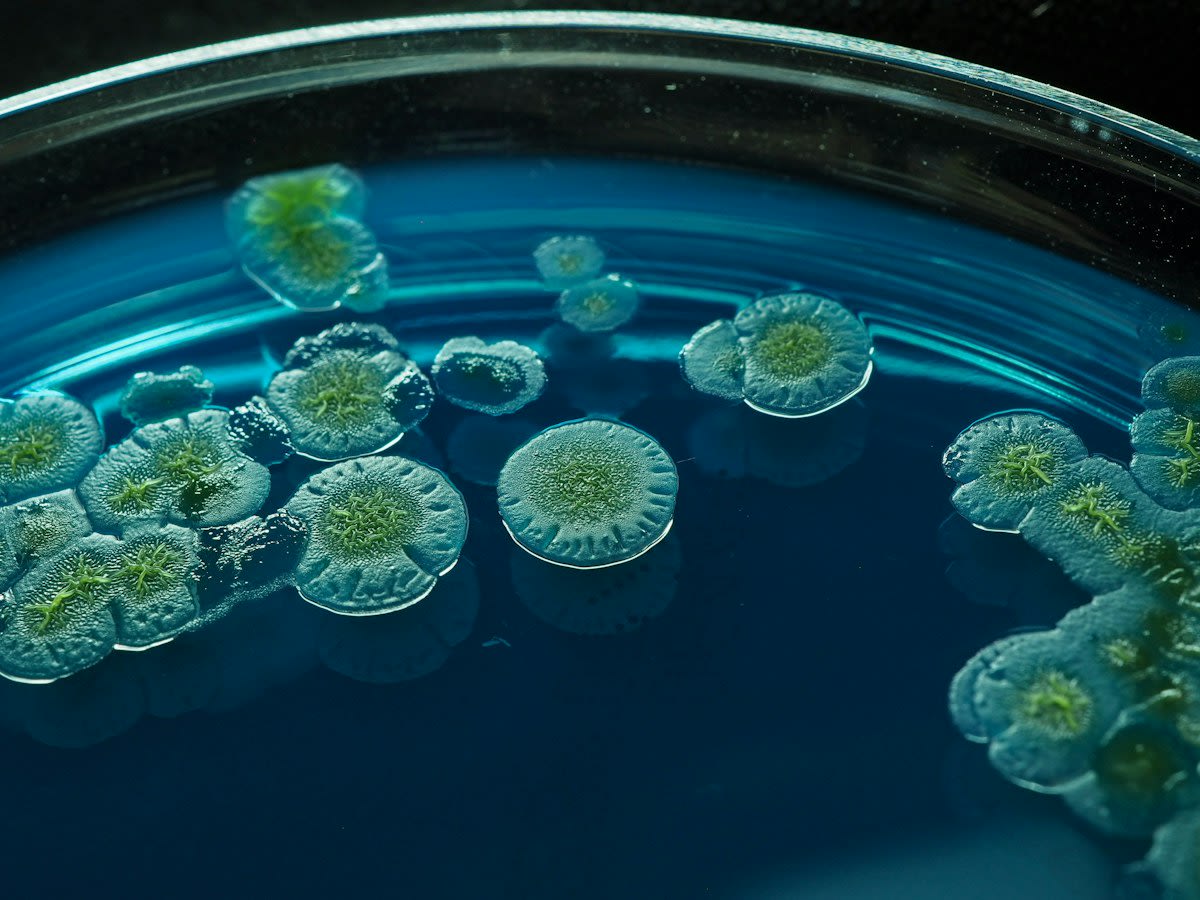
Control is a myth. While some fear the toxicity of the Ganges, the genomic evidence shows that these microbes possess a unique staying power derived from their hostile terrain. We call it pollution. To a microbe, it is a training ground. The collision between urban waste and natural water systems forces a genetic upgrade that sterile environments simply cannot provide.
The Fluoride Contrast: Stability in Sterility
Water is regulated. In Ireland, the state has spent decades ensuring that drinking water is fluoridated to protect dental health across the entire population. This is the default. A study analyzing data from the Irish Longitudinal Study on Ageing (TILDA) tracked approximately 2,500 older adults to see if this lifelong exposure impacted brain function (Source: Journal of Dental Research, 2026). The results were surprisingly neutral.
"Our findings provide reassurance that lifetime exposure to fluoridated drinking water at the levels used in Ireland is not associated with poorer cognitive function in older adults."— Vinay Sharma, Public Health Researcher at Trinity College Dublin
Safety has limits. While the TILDA study showed no statistical association between cumulative fluoride intake and performance on dementia screening tests, it did not prove that fluoride is harmless (Source: ScienceAlert, 2026). It only proved that the expected harm was not found. We are operating in a state of negative proof. We assume that because we haven't seen a crash, the system is healthy.
Measuring the Biological Cost of Aging
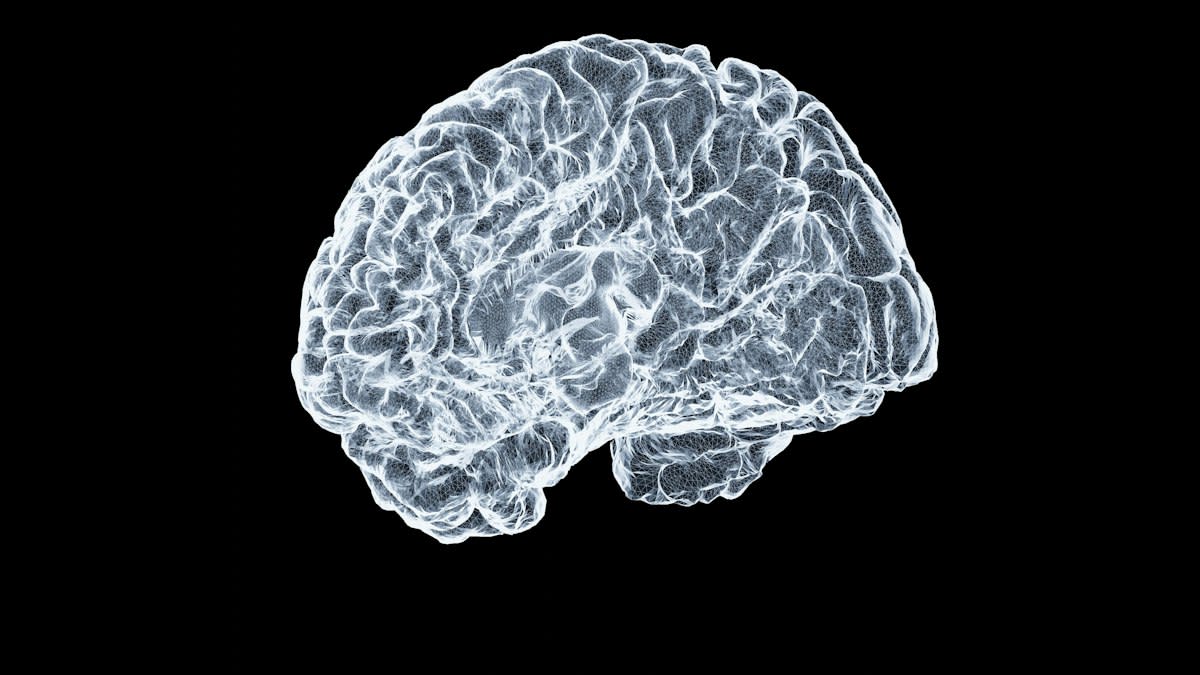
Brains hold records. A new biomarker called DunedinPACNI uses magnetic resonance imaging (MRI) to estimate the pace of physiological aging from a single midlife brain scan. This is a mirror. Researchers at the University of Pittsburgh validated this model across two independent cohorts, the Adult Health and Behavior (AHAB) study and the Neurobiology of Adult Health (NOAH) study (Source: npj Aging, 2026). They found that brain structure reflects multisystem biological decay.
Aging is accelerated. The DunedinPACNI model links midlife brain structure with changes in 19 different measures of physiological health (Source: npj Aging, 2026). This means our internal environment leaves a physical mark on our neural architecture. We cannot hide from our habits. The sterile life we lead may not be showing up in dementia tests yet, but it is written in the pace of our biological aging.
Biology needs stress. We see this in the NCERA-101 growth facilities, where scientists study plant defense and microbial climate legacies in controlled environments. Control is sterile. The studies published in 2025-2026 highlight how plants and insects react when their natural stressors are removed or manipulated (Source: NCERA-101 Annual Report, 2026). When the challenge disappears, the defense mechanism withers.
The Industry Divide: The War Over Waste
The internal war rages. Public health bureaucrats in Dublin prioritize the elimination of dental decay through fluoridation, while environmental biologists in India argue that contaminated water is a training ground for microbial survival. This is not a polite debate. It is a collision of ideologies where one side sees a pathogen to be killed and the other sees a genetic tool to be studied. Practitioners in the field know that the safe water we drink is a biological vacuum.
| Environment Type | Primary Stressor/Intervention | Biological Outcome | Source |
|---|---|---|---|
| Disturbed Aquatic (Sangam) | Urban Runoff / Sewage | Genomic Adaptation (MDREPs) | Frontiers in Microbiology, 2026 |
| Regulated Public Water (Ireland) | Community Fluoridation | Cognitive Stability (No Decline) | Journal of Dental Research, 2026 |
| Controlled Growth (NCERA) | Environmental Manipulation | Plant Defense Alteration | NCERA-101 Report, 2026 |
| Midlife Human (Pittsburgh) | Physiological Aging | Structural Brain Changes | npj Aging, 2026 |
Adaptation is key. We must stop viewing the environment as a source of infection and start viewing it as a source of information. The genomic resilience found in the Ganges is a blueprint for survival. We are trading our long-term durability for short-term comfort. This is a bad trade.
Opportunity lies here. By integrating the lessons of the Sangam microbes with the precision of the DunedinPACNI brain scans, we can find a middle ground. We do not need to live in sewage. We simply need to stop fearing the dirt. The goal is a calculated exposure that maintains our biological edge without compromising our health.
Fact-Check & Accuracy Note
The data regarding fluoridation in Ireland (TILDA study) focuses on cognitive decline in adults aged 65+. Academic debate continues regarding whether the absence of evidence for harm constitutes evidence of absolute safety, particularly concerning non-cognitive neurological effects.
Editorial Note
This analysis adopts a contrarian view of hygiene. While public health guidelines recommend minimizing exposure to pathogens to prevent acute disease, this article emphasizes the genomic and physiological costs of extreme sterility based on environmental microbiology data.