
The Great Multitasking Lie
We have been sold a corporate fantasy: the idea that the ability to juggle a dozen open tabs, a pinging Slack channel, and a high-stakes conference call is a superpower. In reality, this is not multitasking; it is rapid task-switching. Every time you pivot from a complex report to a quick email, your brain pays a 'switching tax' in the form of lost time and depleted glucose. This cognitive friction doesn't just slow you down; it erodes the quality of your output. Why do we continue to reward the appearance of busyness over the reality of depth?
From a practitioner's perspective, I have seen this play out in the boardrooms of London and the tech hubs of Singapore. There is a persistent, internal debate among operational leads: do we prioritize 'responsiveness' or 'results'? The responsiveness trap creates an environment where employees feel a psychological mandate to reply instantly, effectively bankrupting their ability to perform deep, analytical work. On the ground, this looks like a team that is 'agile' in name but paralyzed in execution, spending more energy managing the flow of communication than solving the actual problems at hand.
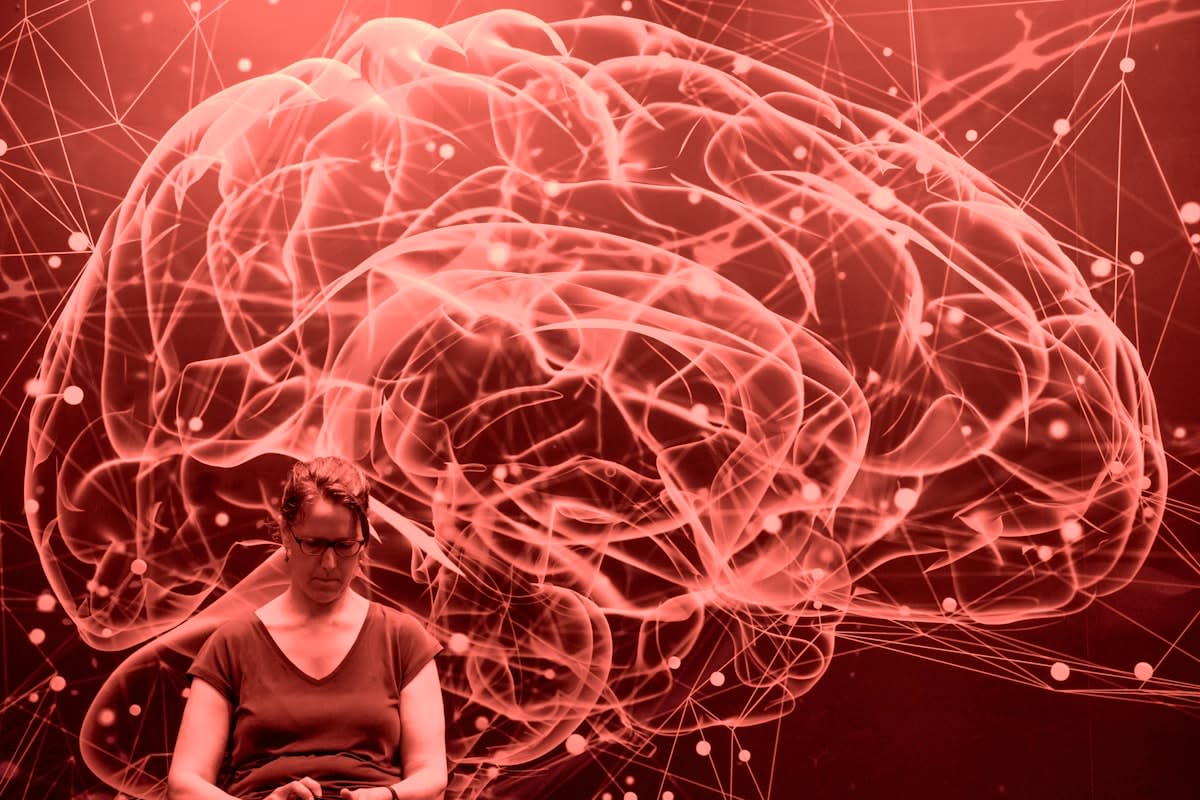
This systemic failure is not a lack of willpower, but a misunderstanding of cognitive architecture. When we engage in micro-tasking, we aren't expanding our capacity; we are slicing our attention into thinner and thinner slivers. The result is a state of chronic mental fatigue that mimics burnout but is actually a result of inefficient energy allocation. To fix this, we must stop looking for 'hacks' and start redesigning our cognitive infrastructure.
The Architecture of Attention and the Golden Hour
The path to reclaiming focus begins with the ruthless protection of 'golden hours.' This is the window of time where your cognitive sharpness is at its peak. According to research highlighted by Daniel Pink, the most effective way to utilize this window is to avoid the temptation of easy wins. He references Kellogg-affiliated research on ER doctors, which found that defaulting to easy cases felt productive in the moment but actually hindered overall performance. Conversely, tackling the hardest tasks first accelerated learning and improved long-term outcomes (Source: Daniel Pink, 2026).
When we batch small tasks—like emails or administrative chores—we stop the constant bleeding of attention. Single-tasking is the strategic antidote to the switching tax. By blocking out uninterrupted periods, such as 90-minute deep-work sessions, practitioners have reported doubling their output while simultaneously reducing stress (Source: Instagram/Productivity Analysis, 2026). This isn't about working more; it is about working with a higher concentration of intent.
"Some of the attention patterns that make ADHD challenging may also help spark creativity by allowing the brain to explore more ideas and unexpected connections."— Khalil, Researcher cited in Science Daily
Interestingly, the very 'defocused attention' that is often stigmatized in ADHD can be a hidden engine for creativity. Research suggests that the neural networks involved in attention overlap significantly with those involved in creative synthesis (Source: Science Daily, 2026). This suggests that the goal should not be a robotic, linear focus for everyone, but rather a managed flow where defocused exploration is channeled into creative activities like art, music, or dance to strengthen self-control systems.
This nuance is critical: the objective is not to eliminate the wandering mind, but to prevent the wandering mind from being hijacked by digital notifications. There is a vast difference between a creative daydream and a notification-driven distraction. One builds new connections; the other destroys them.
Cognitive Reserve: The Long-Term Asset
As we age, the ability to withstand the switching tax depends heavily on our 'cognitive reserve.' This is the brain's capacity to improvise and find alternate ways of getting a job done. Recent studies indicate that individuals with higher cognitive reserve perform significantly better on language and information processing tasks as they grow older (Source: Newsweek, 2026). This reserve acts as a buffer, allowing the brain to cope with age-related changes and maintain efficiency.
The research also reveals a fascinating intersection between emotion and cognition. Older adults were found to retrieve words associated with positive emotions more easily than those linked to negative emotions, suggesting that emotional content can make cognitive processing more efficient (Source: Newsweek, 2026). This implies that the environment in which we work—the emotional tone of our workplace—directly impacts our cognitive efficiency.
| Metric | Micro-Tasking (Fragmented) | Single-Tasking (Focused) | Creative Defocus (Managed) |
|---|---|---|---|
| Cognitive Load | High (Constant Switching) | Low (Sustained Flow) | Moderate (Exploratory) |
| Output Quality | Superficial/Error-Prone | Deep/Analytical | Novel/Innovative |
| Energy Drain | Rapid Depletion | Sustainable | Variable/Energizing |
| Primary Goal | Responsiveness | Completion | Synthesis |
If we view our focus as a finite resource, then micro-tasking is an unsustainable loan with a predatory interest rate. By investing in our cognitive reserve through lifelong learning and emotional regulation, we build a more resilient mental architecture that can withstand the pressures of a fragmented digital world.
Psychological Capital as a Competitive Edge
To scale these individual wins to an organizational level, we must shift our focus toward 'Psychological Capital' or PsyCap. This concept represents an organizational asset that influences how individuals and teams perform under pressure (Source: HR Executive, 2026). PsyCap is not about soft skills; it is about the hard reality of mental resilience and the ability to maintain performance when the environment becomes chaotic.
Organizations that leverage PsyCap move away from the culture of the 'urgent' and toward a culture of the 'important.' This involves systemic changes: banning internal emails during deep-work blocks, redefining performance metrics to reward output over activity, and encouraging the 'defocused attention' necessary for innovation. When PsyCap is high, the switching tax is mitigated because the team has the psychological safety to disconnect and the discipline to focus.

The shift toward PsyCap is a global imperative. In an economy where AI can handle the routine micro-tasks, the only remaining human competitive advantage is the ability to synthesize complex information and think deeply. Those who continue to bankrupt their focus through micro-tasking will find themselves obsolete, while those who master their attention will command a premium.
Fact-Check & Accuracy Note
Key claims regarding cognitive reserve and emotional efficiency are sourced from Newsweek (2026). Data regarding ADHD and creative neural networks are attributed to Science Daily (2026). The concept of Psychological Capital is sourced from HR Executive (2026). The ER doctor performance data is attributed to Daniel Pink's synthesis of Kellogg-affiliated research. Ongoing debate exists regarding the exact percentage of the population that can effectively leverage 'defocused attention' without pharmacological support.