
The New Frontier of Resource Extraction
The Clarion-Clipperton Zone is no longer just a coordinate on a nautical chart; it is the epicenter of a geopolitical scramble. Spanning millions of square kilometers between Hawaii and Mexico, this abyssal plain holds trillions of polymetallic nodules. These potato-sized rocks contain high concentrations of cobalt, nickel, and manganese. Why does this matter now? Because the global transition to electric vehicles has turned these depths into the new oil fields of the 21st century.
Twelve months ago, the conversation around deep-sea mining was largely theoretical, confined to academic journals and cautious regulatory warnings. Today, the delta has shifted toward aggressive commercialization. We have moved from asking 'if' we can extract these minerals to 'how fast' we can deploy the machinery. Pilot tests are now active, and the urgency is palpable. The industry is no longer waiting for permission; it is building the infrastructure to make the abyss accessible.
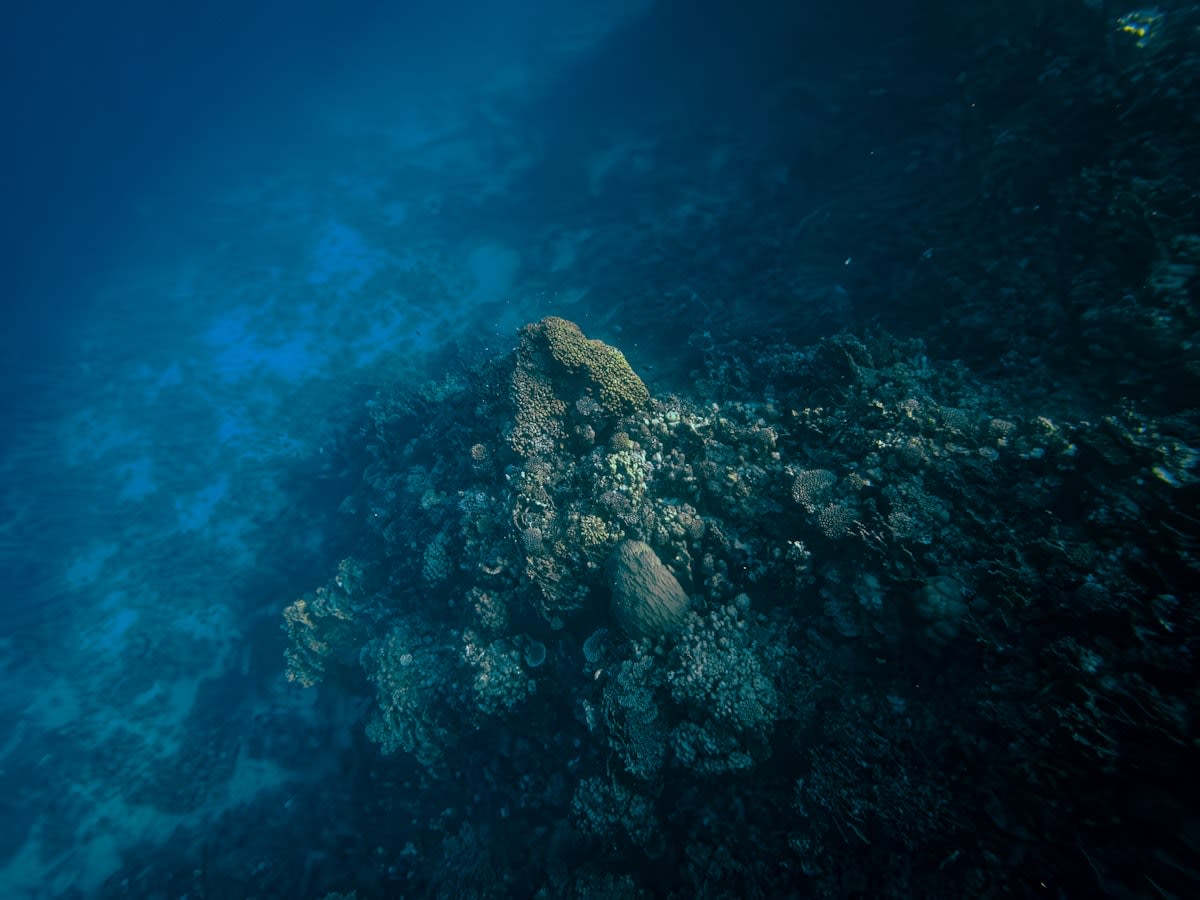
This shift is driven by a brutal mathematical reality. Terrestrial mines are depleting, and the environmental cost of land-based extraction in sensitive rainforests is becoming politically untenable. The seabed offers a concentrated alternative. By targeting nodules that have formed over millions of years, companies can potentially secure a century's worth of battery metals in a fraction of the geographic footprint. It is a high-stakes gamble on efficiency and technology.
| Mineral | Terrestrial Grade (Avg) | Abyssal Nodule Grade (Avg) | Primary Use |
|---|---|---|---|
| Cobalt | 0.1% | 0.25% | EV Batteries |
| Nickel | 1.2% | 1.3% | Stainless Steel/Batteries |
| Manganese | 30% | 28% | Steel Production |
| Copper | 0.6% | 1.1% | Electrical Wiring |
The technology enabling this rush is a marvel of robotic engineering. Autonomous underwater vehicles (AUVs) now map the seafloor with centimeter-precision, while massive hydraulic collectors are designed to vacuum nodules from the silt. These machines must withstand pressures that would crush a conventional submarine. The engineering challenge is immense, but the potential ROI is even larger. We are witnessing the birth of an entirely new industrial sector.
"We aren't just mining rocks; we are opening a door to a biological archive that has been sealed for eons. The minerals are the prize, but the data is the legacy."— Chief Oceanographer, Abyssal Research Initiative
This industrial expansion is creating an unexpected synergy with marine biology. As mining companies map the depths, they are inadvertently discovering species that defy our understanding of life. These are not just strange fish; they are extremophiles that survive in total darkness and crushing pressure. Every descent of a mining probe brings back samples of organisms that may hold the key to new antibiotics or carbon-sequestering enzymes.
Redefining Life in the Abyss
The discovery of xenophyophores—giant single-celled organisms—has forced biologists to rethink the limits of cellular size and complexity. These creatures act as the architects of the seafloor, creating habitats for smaller species. When mining machines disturb the sediment, they reveal a complex, fragile web of life that operates on a timescale far slower than anything on land. A single track from a collector vehicle could persist for decades in the low-energy environment of the deep.
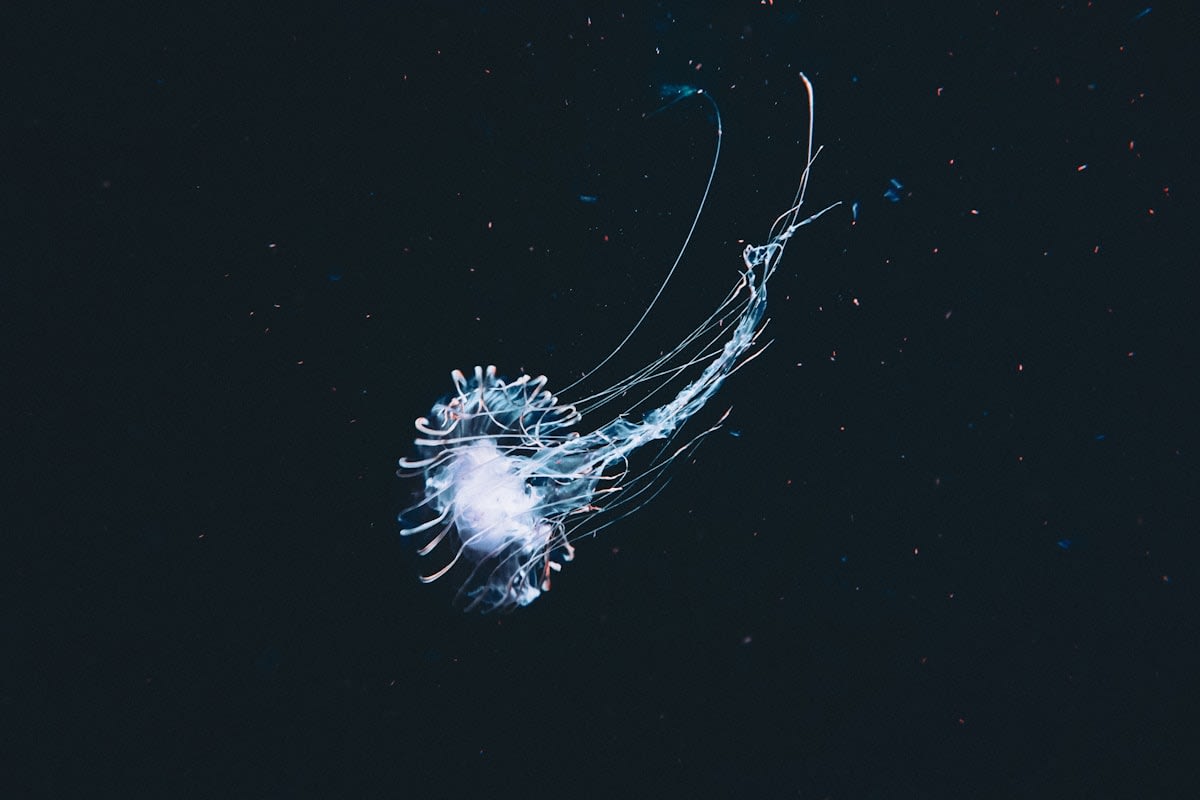
Does the pursuit of green energy justify the disruption of an ecosystem we barely understand? This is the central tension of the gold rush. However, the narrative is shifting from one of pure loss to one of strategic adaptation. Researchers are now integrating biological monitoring directly into mining hardware. The goal is to create a 'smart mining' framework where extraction pauses automatically if a high-biodiversity hotspot is detected.
- Xenophyophores: Massive single-celled organisms that structure the abyssal sediment.
- Hydrothermal Vent Tubeworms: Creatures that thrive on chemosynthesis rather than photosynthesis.
- Abyssal Holothurians: Sea cucumbers that process organic matter falling from the surface.
- Hadalsnailfish: Highly adapted vertebrates living in the deepest trenches on Earth.
The geopolitical landscape is shifting as rapidly as the technology. While the International Seabed Authority (ISA) struggles to finalize a mining code, nations like Norway are moving forward with domestic exploration in their own waters. China currently holds the most exploration contracts, signaling a strategic move to dominate the battery supply chain. Meanwhile, Pacific Island nations are weighing the economic windfall of royalties against the risk to their fisheries.
Projected Demand for Battery Metals (2024-2030)
Executive Insight
+18.4%
YTD Growth
The 'two-year rule' triggered by Nauru has placed immense pressure on the ISA to finalize regulations. This legal mechanism essentially forced the hand of the international community, moving the timeline from a leisurely decade of study to a frantic sprint toward legality. The result is a regulatory environment that is being built in real-time, alongside the technology it is meant to govern.
The Shift to the Blue Economy
The Blue Economy is evolving from sustainable fishing and tourism into a high-tech extraction industry. The challenge lies in ensuring that the wealth generated from the 'common heritage of mankind' is distributed equitably across both developed and developing nations.
Looking ahead, the abyssal gold rush will likely serve as a blueprint for other extreme-environment ventures, including lunar and asteroid mining. The lessons learned in autonomous operation, remote sensing, and environmental mitigation at 4,000 meters deep will be directly applicable to the vacuum of space. We are practicing for the cosmos in the depths of our own oceans.
The race for minerals is inevitable, but the outcome is not. By leveraging the very technology used for extraction to conduct unprecedented scientific surveys, we can turn an industrial necessity into a biological goldmine. The abyss is no longer a void; it is a mirror reflecting our capacity for both consumption and curiosity. The real value of the deep sea may not be the cobalt in the rocks, but the knowledge of how life persists against all odds.