
The Biological Necessity of Erasure
Human cognition relies on the ability to discard. Forgetting is not a glitch in the system; it is a critical filtration process that allows the brain to prioritize relevant information over noise. When we forget the mundane details of a Tuesday three years ago, we create the mental space necessary for synthesis and abstract thought. This biological erasure provides a psychological safety net, allowing individuals to evolve, change their minds, and outgrow their past versions without the weight of a permanent ledger.
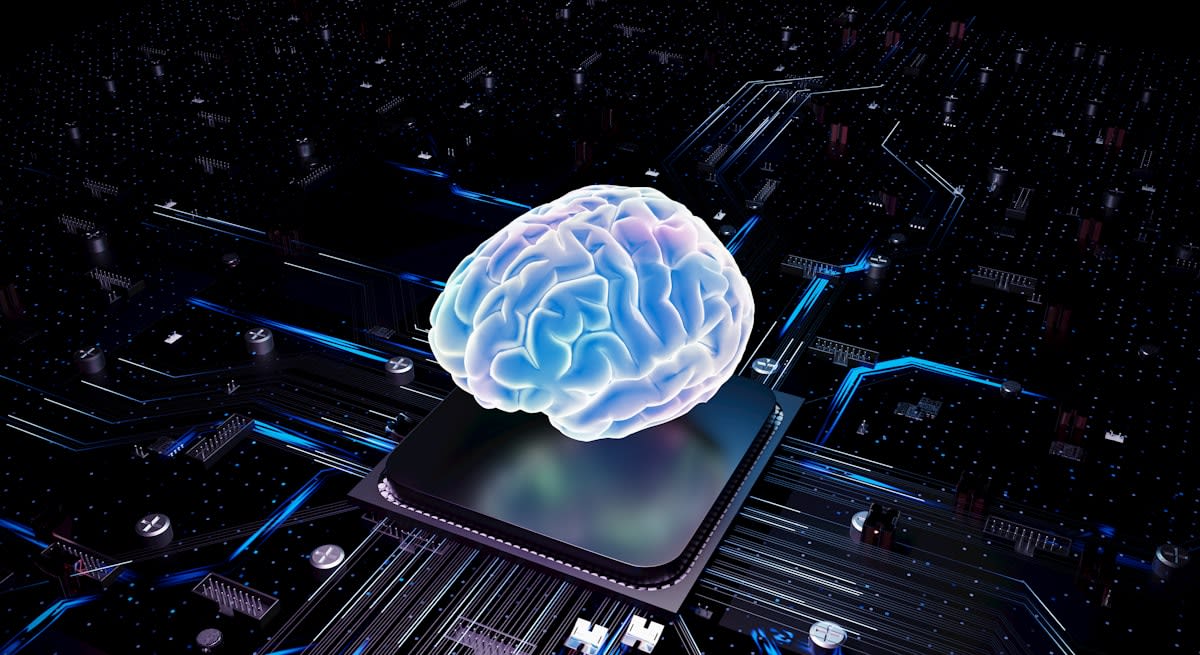
Digital permanence flips this script entirely. We have moved from an era of organic decay to one of absolute retention. Every clumsy thought, every adolescent mistake, and every outdated opinion is now etched into a silicon substrate that does not know how to fade. This shift creates a systemic tension between our biological need to evolve and a digital environment that demands consistency. We are the first generation of humans who cannot truly leave their past behind.
"The tragedy of the digital age is not that we remember too much, but that we are no longer allowed to forget."— Strategic Analysis on Cognitive Architecture
Consider the global variance in how this permanence is managed. In the European Union, the Right to be Forgotten represents a legal attempt to simulate biological forgetting. However, law is a blunt instrument compared to the nuance of neural pruning. While a search engine might delist a link, the data persists in archives, caches, and the memories of those who saw it. The legal framework treats forgetting as a privacy right, but the real issue is psychological: the loss of the freedom to be a different person tomorrow than you were today.
The Performance Trap: Spontaneity in the Age of the Archive
Spontaneity requires a lack of surveillance. To act spontaneously is to act without a calculated awareness of how that action will be viewed by a future audience. When the record is permanent, every action becomes a performance. We are no longer living in the moment; we are curating a legacy in real-time. This shift transforms the nature of human interaction from an organic exchange into a strategic deployment of image.
This phenomenon is visible across diverse cultural landscapes. In high-surveillance digital economies like South Korea, the pressure to maintain a flawless digital persona can lead to extreme social anxiety and a rigid adherence to perceived norms. In the West, the 'cancel culture' mechanism acts as a decentralized auditing system, where a decade-old post is used to invalidate a current identity. In both cases, the result is the same: a systemic decline in intellectual risk-taking. People stop experimenting with ideas because the cost of being wrong is now permanent.
Concept: The Digital Shadow
The Digital Shadow is the gap between who we are and the data-driven caricature the internet maintains of us. The wider this gap, the more we perform to close it, killing genuine spontaneity in the process.
Why does this matter for the future of innovation? Innovation is born from the freedom to fail spectacularly and then forget the embarrassment to try again. If every failure is archived and searchable, the psychological barrier to entry for radical experimentation rises. We are witnessing the rise of a 'safe' culture—one where the goal is not to be groundbreaking, but to be unassailable. The strategic cost of this shift is a stagnation of creative volatility.
| Feature | Organic Memory (Biological) | Digital Permanence (Silicon) |
|---|---|---|
| Retention Logic | Selective/Priority-based | Absolute/Comprehensive |
| Error Correction | Contextual Reframing | Immutable Log |
| Impact on Identity | Dynamic Evolution | Static Archiving |
| Psychological State | Spontaneous/Present | Performative/Future-aware |
| Risk Tolerance | High (Failure is forgotten) | Low (Failure is indexed) |
The data in the table above highlights a fundamental misalignment. Our brains are designed for a world of whispers and fading echoes, yet we live in a world of shouts and permanent recordings. This misalignment creates a cognitive load that manifests as chronic low-level stress. We are constantly auditing our own lives, wondering which current action will become a future liability.
The Erosion of the Experimental Phase
Adolescence and young adulthood were historically the 'experimental phases' of human development. These were years of trying on different identities, testing social boundaries, and making mistakes that vanished into the ether of time. Today, that phase is being compressed or eliminated. A 15-year-old's digital footprint can now dictate their professional opportunities at 25. The 'sandbox' of youth has been replaced by a glass house.
This creates a paradoxical effect: we are seeing an increase in outward conformity paired with an increase in internal fragmentation. When the public self must be curated to avoid permanent stains, the private self becomes a hidden bunker. This fragmentation prevents the integration of experience that is necessary for emotional maturity. If you cannot openly fail, you cannot openly learn.

We must ask: what happens to a society that loses its capacity for grace? Grace is essentially the social application of forgetting. It is the decision to overlook a past transgression to allow for current growth. Digital permanence removes the possibility of grace by providing a perfect memory. When the evidence is always available, the incentive to forgive vanishes, replaced by the incentive to prosecute.
Estimated Impact of Digital Footprint on Risk Aversion
Executive Insight
+18.4%
YTD Growth
The upward trajectory of risk aversion is not a coincidence. As the density of data increases, the window for spontaneity shrinks. We are moving toward a state of 'predictive conformity,' where individuals preemptively align their behavior with the most acceptable average to avoid future digital audits. This is the quiet death of the eccentric, the rebel, and the pioneer.
Adapting to the Permanent Record
The solution is not a futile attempt to delete the internet, but a systemic shift in how we value the record. We need to move from a culture of 'gotcha' to a culture of 'context.' This requires a societal agreement that a digital record is a snapshot, not a definition. We must intentionally build spaces—both digital and physical—where the record is explicitly temporary. Ephemeral communication is not just a feature of apps like Snapchat; it is a psychological necessity for maintaining human authenticity.
Resilience in the age of permanence comes from embracing the tension. The most successful individuals of the next decade will not be those with the cleanest records, but those with the highest capacity for transparency and ownership of their evolution. By openly acknowledging the gap between their past and present selves, they reclaim the narrative from the archive. They transform the permanent record from a shackle into a map of growth.
Ultimately, the end of forgetting is a challenge to our definition of humanity. If we are merely the sum of our data points, we are machines. If we are the process of changing, forgetting, and becoming, we are human. The fight for spontaneity is a fight for the right to be inconsistent, to be wrong, and to eventually be better. The future belongs to those who can find a way to be spontaneous in a world that never forgets.