
We have long treated aging as a medical failure, a slow-motion collapse of biological systems that we must desperately arrest. This perspective is fundamentally flawed. What if the breakdown of the human body is not a glitch in the system, but the price of admission for our survival? Evolution does not optimize for eternal life; it optimizes for reproductive success. The biological machinery that allows us to thrive, grow, and reproduce in our youth is often the very same machinery that betrays us in our later decades. This is not a tragedy of nature, but a strategic arbitrage.
This systemic trade-off is known as antagonistic pleiotropy. The core logic is brutal: a genetic trait that provides a significant advantage early in life will be selected for, even if it causes catastrophic failure later. Why? Because by the time the negative effects manifest, the organism has already passed its genes to the next generation. Evolution is blind to the needs of the elderly because the elderly are biologically redundant. We are living out a contract signed by our ancestors, where the currency was immediate vitality traded for long-term stability.
The Genetic Price of Youth
The evidence for this biological bargain is not theoretical; it is written in our polymorphic disease alleles. Research published in August 2026 in Frontiers in Genetics highlights a widespread pattern of antagonistic pleiotropy across various genetic markers. By examining data from over 275,000 individuals, researchers found consistent evidence that certain genetic variations provide a reproductive or survival edge in youth while increasing disease susceptibility in old age. This is not a localized phenomenon but a systemic feature of human genetics.
Consider the specific roles of genes like ApoE, BRCA1/2, and AKAP. These are not simply 'bad genes' that cause disease. Instead, they often function as double-edged swords. In the context of a young, developing organism, these alleles might enhance immune response or cellular growth, ensuring the individual reaches reproductive maturity. However, as the organism ages, these same mechanisms can trigger oncogenesis or neurodegeneration. We are essentially borrowing health from our future selves to pay for the urgency of the present.
The Scale of Selection
The study of 275,000 individuals proves that senescence-based antagonistic pleiotropy is a dominant force in shaping the human genome, suggesting that many 'disease genes' were actually 'survival genes' for our ancestors.
Does this mean we are doomed to a predetermined decline? Not necessarily. The realization that our bodies are programmed for this trade-off shifts the goalpost from 'stopping aging' to 'optimizing the bargain.' If we understand which genetic triggers are responsible for the late-stage breakdown, we can potentially decouple the early-life benefit from the late-life cost. The challenge lies in the fact that these genes are often integrated into the most fundamental processes of our biology.
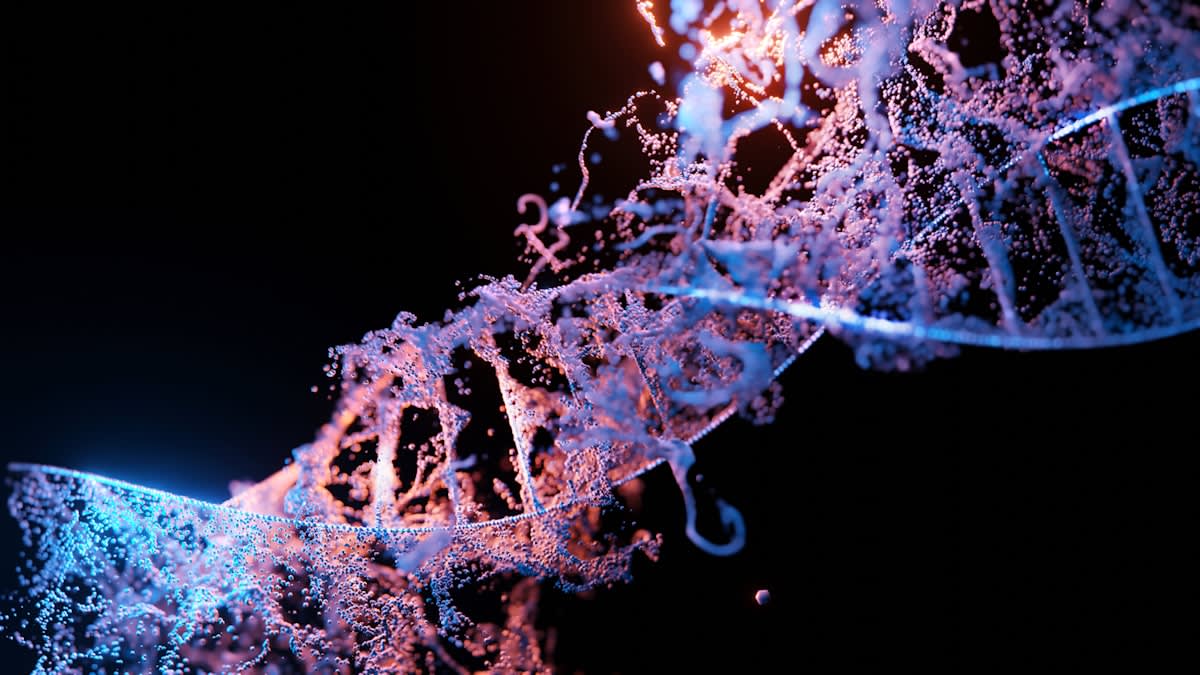
This genetic tension suggests a broader systemic shift in how we view pathology. Instead of viewing a disease allele as a mutation to be erased, we should view it as a remnant of a successful evolutionary strategy. The very genes that might predispose a population to certain age-related conditions may have been the ones that allowed that population to survive famine, plague, or extreme environmental shifts in the past.
Resilience Over Prevention: The Shark Paradigm
If the human model is one of trade-offs, the animal kingdom offers an alternative: the model of extreme resilience. Recent research led by Dr. Elena Chiavacci has uncovered a startling paradox in the longest-living vertebrate on Earth—a shark capable of living for at least 272 years, with some individuals estimated to approach 400 years. Conventional wisdom suggests that such longevity would require a pristine biological state, a total absence of cellular decay. The reality is the opposite.
Upon examining the hearts of these ancient sharks, Chiavacci found widespread fibrosis, lipofuscin accumulation, and oxidative stress. In any other species, these are the classic hallmarks of heart failure and systemic decline. Yet, these sharks remained healthy and fully functional. Their secret is not that they prevent damage, but that they possess an extraordinary capacity to tolerate it. They don't stop the rust; they simply build a machine that can operate while rusted.
"Extreme longevity might stem from an extraordinary ability to tolerate cellular damage, a concept dubbed resilience, rather than actively preventing it."— Research Findings via Forbes
This discovery forces a paradigm shift in longevity science. For decades, the industry has obsessed over 'anti-aging'—the idea of eliminating oxidative stress or clearing out cellular debris. The shark's heart suggests that this is a fool's errand. The real opportunity lies in resilience: enhancing the body's ability to function despite the accumulation of damage. If we stop trying to maintain a state of perpetual youth and instead focus on damage tolerance, we change the entire trajectory of geriatric medicine.
| Approach | Primary Goal | Biological Mechanism | Outcome Perspective |
|---|---|---|---|
| Prevention Model | Eliminate Damage | Antioxidants / Cellular Clearing | Youth Preservation |
| Resilience Model | Tolerate Damage | Functional Adaptation / Robustness | Sustainable Longevity |
Why does this matter for the global population? Because the prevention model is fragile. Once a threshold of damage is reached, the system collapses. The resilience model, however, is robust. It accepts the reality of entropy and integrates it into the functional design. This shift from 'perfection' to 'persistence' is the key to surviving the biological contract we were born into.
Redefining Success: Cooperation in the Micro-World
The theme of systemic shifts extends even to the most basic level of reproduction. We often imagine fertilization as a frantic, competitive race where millions of sperm fight for a single prize. However, new research from a global collaboration involving Syracuse University, the University of Siena in Italy, and the University of Szeged in Hungary reveals a more nuanced reality. In many arthropods—including spiders, crabs, and centipedes—success depends not on competition, but on cooperation.
This phenomenon, known as sperm conjugation, involves sperm joining forces to form coordinated groups. These groups use sperm-associated material (SAM) to navigate the female reproductive tract more effectively. By working together, they increase their overall reproductive success. This suggests that evolution frequently selects for cooperative behaviors over individual competition when the environmental hurdles are sufficiently high.
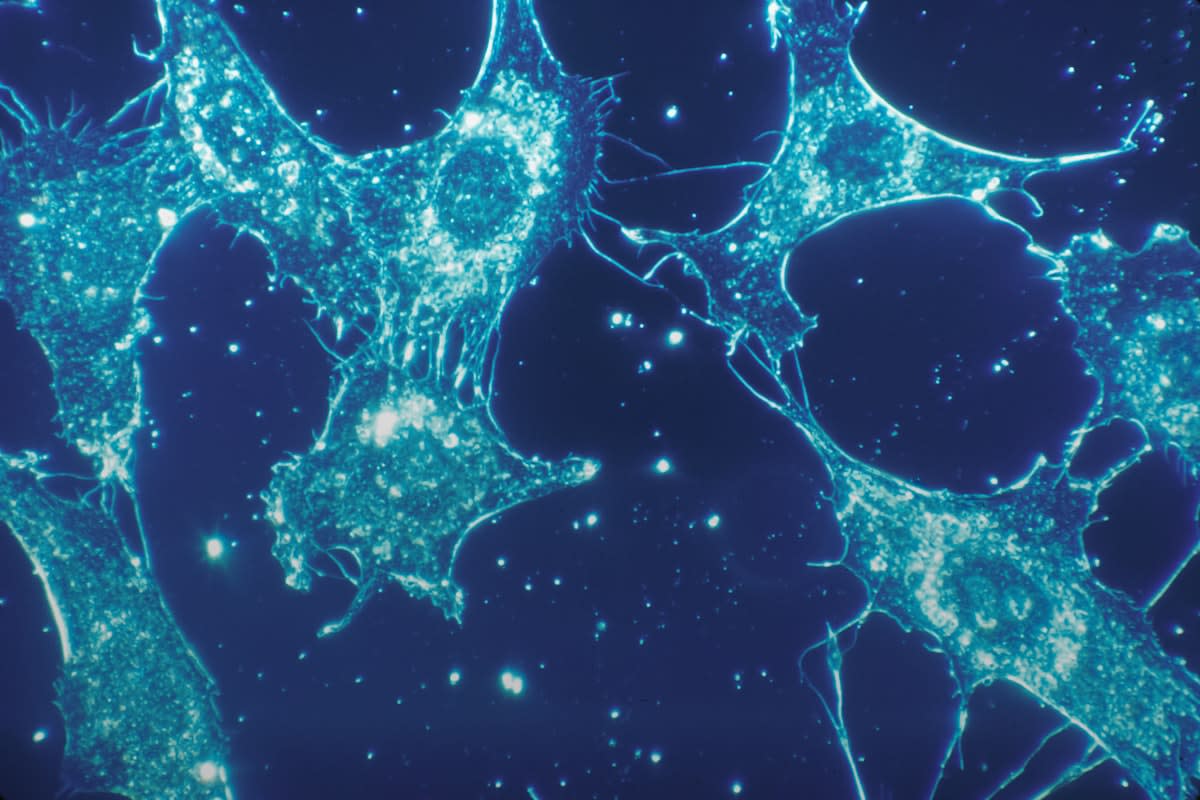
While human sperm do not form these same cooperative structures, the broader principle is a critical piece of the evolutionary puzzle. It proves that the 'survival of the fittest' is often misinterpreted as the 'survival of the most aggressive.' In reality, the 'fittest' are often those who can best coordinate their resources to overcome systemic barriers. Whether it is sperm in a crab or cells in a human heart, the ability to function as a collective is a primary driver of success.
When we connect these dots—the genetic trade-offs of pleiotropy, the damage-tolerance of the Greenland shark, and the cooperative strategies of arthropods—a clear picture emerges. Nature does not strive for an ideal, static state of health. It strives for a dynamic equilibrium. We are not breaking down because of a flaw; we are breaking down because we are optimized for a world that values the immediate over the eternal.
The path forward is not to fight our biology, but to negotiate with it. By embracing the resilience model and understanding the cooperative nature of our cellular systems, we can move beyond the fear of aging. The goal is not to live forever in a state of artificial youth, but to maintain function and purpose even as the biological contract reaches its final chapters. Resilience is the only true hedge against entropy.