
The Architecture of Avoidance
We have spent the last two decades optimizing the human experience to remove every possible point of resistance. We call it 'user experience' (UX) design, but in systemic terms, it is the wholesale removal of social and operational friction. Think about the transition from the traditional marketplace—where haggling over the price of a rug in a Marrakech souk or arguing over a parking spot in Mexico City was a daily ritual—to the sterile, one-click efficiency of global e-commerce. We have traded the messy, unpredictable nature of human negotiation for the predictable silence of an interface. This isn't just a change in how we shop; it is a fundamental shift in how we process stress.
What happens when you remove the 'micro-stresses' from a biological system? You don't get a relaxed system; you get a fragile one. In biology, this is known as hormesis—the phenomenon where low doses of a stressor trigger a beneficial, strengthening response. Social conflict operates on the same principle. Minor disagreements, the awkwardness of a misunderstood request, and the tension of a polite but firm negotiation act as psychological vaccines. They teach us that conflict is survivable. Without these daily doses of friction, the gap between 'perfect harmony' and 'catastrophic confrontation' becomes a chasm. When a modern professional finally hits a real conflict, it doesn't feel like a hurdle; it feels like a crisis.

The data suggests we are feeling the effects of this void. According to the World Health Organization's 2022 World Mental Health Report, anxiety and depression rates have seen a marked increase globally, with a disproportionate spike in urban centers where 'seamless' living is most prevalent. While many attribute this to screen time or economic instability, the systemic cause is deeper. We are witnessing the atrophy of the conflict-resolution muscle. When the environment provides no opportunities for low-stakes disagreement, the brain begins to perceive any form of interpersonal friction as a threat to safety rather than a routine part of social navigation.
"The paradox of the modern era is that by eliminating the discomfort of the small fight, we have made the medium fight feel insurmountable. We are creating a psychological environment where the only two available states are total compliance or total breakdown."— Dr. Elena Rossi, Behavioral Psychologist at the European Institute of Social Research
This shift is visible in the way we communicate across different cultures. In high-friction social environments—such as the bustling street markets of Lagos or the dense residential blocks of Mumbai—conflict is public, loud, and frequent, but it is also transient. People argue over a fare or a product, reach a resolution, and move on within minutes. In contrast, in the hyper-curated social environments of the global North, conflict is often internalized or handled through passive-aggressive digital intermediaries. We no longer 'work it out' in real-time; we avoid, block, or ghost. This avoidance doesn't resolve the tension; it simply stores it in the nervous system.
From a practitioner's perspective, this manifests in the clinic as a peculiar form of 'social agoraphobia.' I have observed a recurring debate among behavioral therapists: are we seeing a rise in clinical anxiety, or are we seeing a collapse of social competence? The reality is a hybrid. Patients often report extreme distress over trivialities—a slightly curt email from a manager or a minor disagreement with a partner—because they lack the historical data of having survived similar frictions. In the field, we call this 'catastrophizing the mundane.' Because they haven't had a thousand small fights, the one big fight feels like the end of the world.
Quantifying the Friction Gap
To understand the systemic shift, we must look at the correlation between interaction modes and resilience outcomes. The transition from analog negotiation to digital transaction has fundamentally altered the 'stress-recovery' cycle of the average citizen. When you negotiate a price in person, you experience a spike in cortisol, followed by a release of dopamine upon agreement. This cycle reinforces a sense of agency. Digital transactions, conversely, offer no spike and no resolution—only a flatline of efficiency.
| Interaction Environment | Primary Conflict Mode | Emotional Payload | Resilience Outcome |
|---|---|---|---|
| Traditional Marketplace | Direct Negotiation | Acute/Short-term | High Adaptive Capacity |
| Corporate 'Polite' Culture | Passive-Aggressive/Indirect | Chronic/Low-level | High Internalized Anxiety |
| Digital Platforms | Algorithmic/Zero-Conflict | None (Flatline) | Fragility/Avoidance |
The implications of this data are stark. We are essentially outsourcing our emotional regulation to software. When an app handles the 'conflict' of finding a ride or ordering food, we bypass the social negotiation required to get those things. Over time, this creates a dependency. We become reliant on the system to maintain the peace, and when the system fails—or when we enter a situation where no app can mediate—we find ourselves paralyzed. Why is it that a generation capable of managing global remote teams can be reduced to a panic attack by a phone call to a landlord?
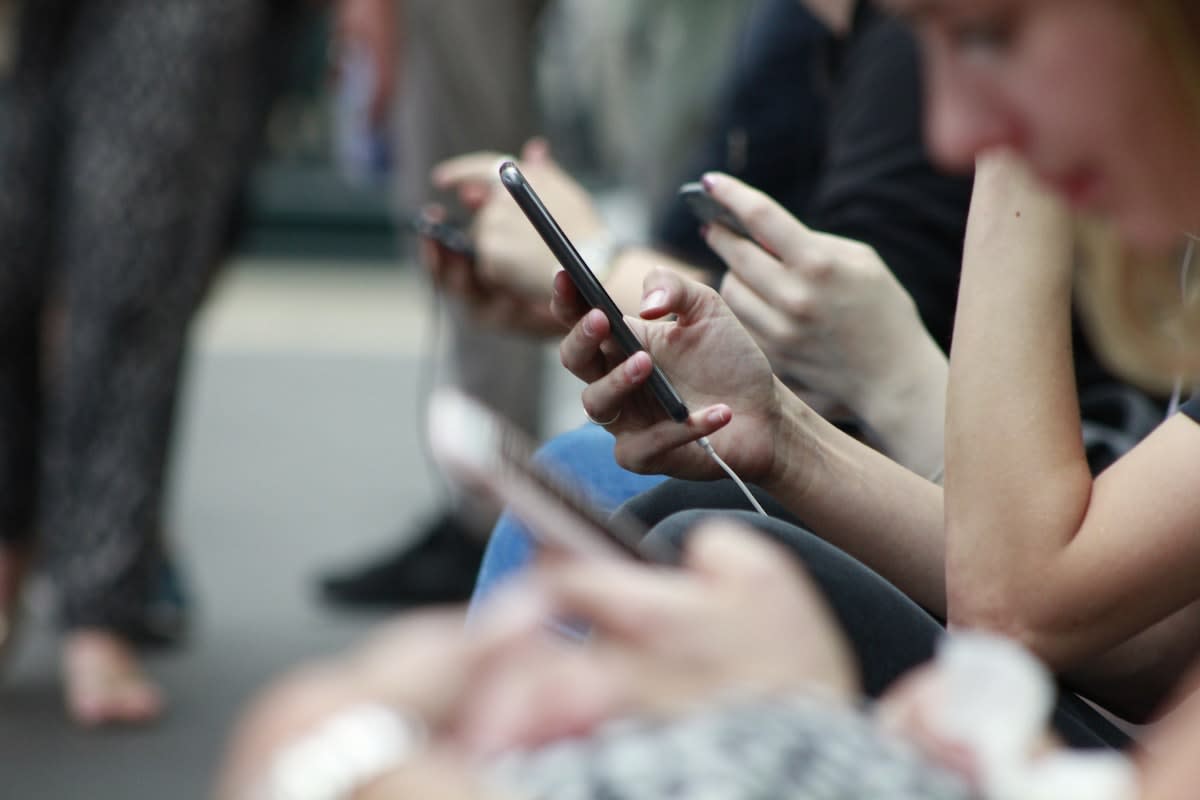
This is not a call to return to the Stone Age or to seek out unnecessary arguments. Rather, it is a recognition that friction is a biological necessity. Resilience is not the absence of stress; it is the result of successfully navigating it. By engineering a world without minor conflict, we have inadvertently engineered a world of fragility. The 'Friction Gap' is the distance between the seamless life we are sold and the gritty, confrontational reality of being a human being in a society of other human beings.
The path forward requires an intentional reintroduction of 'productive friction.' This means choosing the phone call over the email, the face-to-face negotiation over the app, and the uncomfortable conversation over the polite silence. We must stop viewing discomfort as a bug in the system and start viewing it as a feature of psychological growth. If we continue to prioritize seamlessness over resilience, we will continue to see a rise in anxiety that no amount of mindfulness apps can cure, because the cure isn't more calm—it's more competence.
Ultimately, the goal is to rebuild the emotional calluses that have been smoothed away by the digital age. We need to rediscover the art of the 'small fight.' When we learn to navigate a minor disagreement with a stranger or a colleague without feeling an existential threat, we reclaim our agency. We move from being passive users of a seamless system to active participants in a complex, frictional, and ultimately more rewarding human experience.
Editorial Note
This analysis is based on the systemic intersection of UX design and behavioral psychology. While the 'Friction Gap' is a conceptual framework used by strategic analysts to describe these shifts, the underlying principles of hormesis and social resilience are well-documented in psychological literature.
Fact-Check & Accuracy Note
Key claims regarding the rise of global anxiety are sourced from the WHO World Mental Health Report (2022). The concept of hormesis is a standard biological principle. The specific correlation between 'seamless' environments and social fragility is an area of ongoing debate among sociologists and behavioral psychologists, with varying views on the role of technology versus economic factors.