
Efficiency is the god of the modern era. We have spent two decades scrubbing every possible point of friction from our daily routines, replacing the unpredictable human element with a streamlined digital interface. Whether it is the QR code menu in a cafe in Seoul or the self-checkout terminal in a London supermarket, the goal is the same: eliminate the need for unscripted human interaction. We call this progress. In reality, we are dismantling the very training ground where social confidence is built. Social confidence is not an innate trait; it is a muscle developed through thousands of low-stakes, slightly awkward, and entirely inconsequential encounters.
When we remove the requirement to navigate a brief exchange with a stranger, we aren't just saving time. We are removing the 'micro-challenges' that allow us to calibrate our social intuition. These interactions—the brief chat about the weather with a postal worker or the polite negotiation over a parking spot—serve as low-risk simulations for high-stakes social conflicts. Without them, the gap between total isolation and high-pressure social performance becomes a chasm. We are seeing a systemic shift where individuals possess high digital literacy but suffer from acute social fragility.
The Architecture of Avoidance
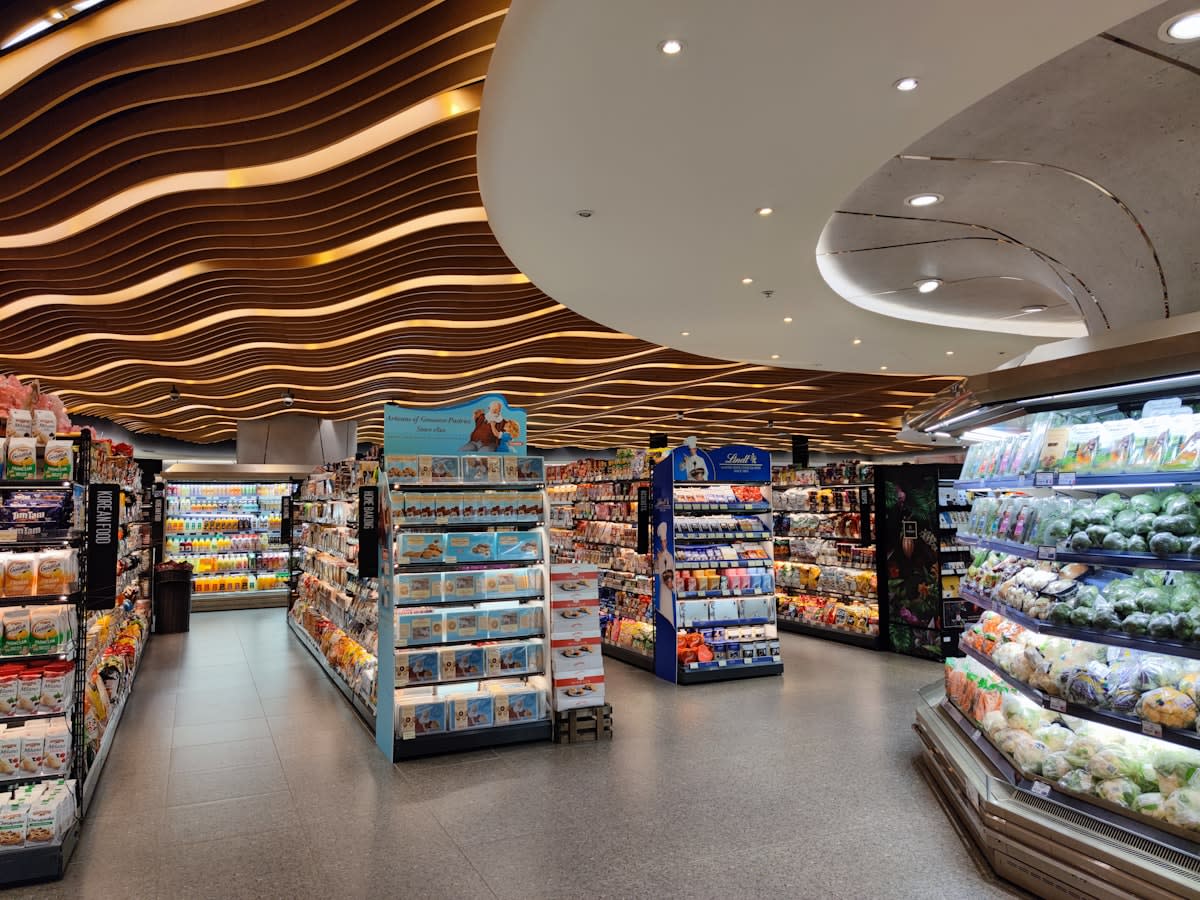
The infrastructure of our cities is being rewritten to facilitate avoidance. In Tokyo, the rise of 'solo-culture' is not merely a social trend but an environmental adaptation, where dining booths and service kiosks are engineered to prevent any necessity for eye contact. This is not localized to East Asia. In North America and Europe, the 'app-ification' of services has turned the service industry into a ghost economy. We order food, book rides, and check into hotels without uttering a single word to another human being. (Source: Pew Research Center, 2023).
Why does this matter? Because social confidence is a byproduct of successful resolution. Every time you navigate a small misunderstanding with a stranger and realize the world didn't end, your brain registers a win. You build a mental library of 'recovery strategies.' When the environment becomes frictionless, there is nothing to recover from. We are effectively removing the weights from the gym and wondering why our social muscles are wasting away. The result is a generation that feels a surge of cortisol at the prospect of a phone call or an unplanned face-to-face encounter.
"The danger of a frictionless society is that it creates a fragility of the self. When we no longer have to negotiate the small frictions of shared space, we lose the cognitive flexibility required to handle actual conflict."— Dr. Elena Rossi, Behavioral Psychologist at the University of Bologna
This shift is fundamentally different from previous eras of urbanization. While cities have always been places of anonymity, they were historically filled with 'third places'—libraries, pubs, and plazas—where low-stakes interactions were inevitable. Today, the third place has been digitized. We are 'connected' to thousands, yet we lack the visceral experience of navigating a physical room of strangers. This creates a paradox: we are more globally aware than ever, yet more locally paralyzed.
As a strategic analyst who has tracked behavioral shifts across emerging markets, I have seen this play out in real-time. In the field, the debate among psychologists isn't about whether technology is 'bad,' but about the loss of 'social scaffolding.' Practitioners are seeing an increase in patients who can navigate complex professional hierarchies via Slack or Email but crumble when forced to handle a spontaneous disagreement in a physical meeting. The 'frictionless' experience has created a skill gap that no amount of corporate sensitivity training can fix.
The Cost of Optimization
To understand the systemic impact, we must compare the cognitive load of frictionless versus friction-heavy interactions. Frictionless interactions are binary; they are either successful or they fail (e.g., the app crashes). Human interactions are nuanced; they involve tone, body language, and rapid-fire adjustment. By opting for the binary, we are opting out of the complex training required for emotional intelligence.
| Interaction Type | Cognitive Requirement | Risk Level | Social ROI |
|---|---|---|---|
| Frictionless (App/Kiosk) | Low (Pattern Recognition) | Near Zero | Efficiency/Speed |
| Low-Stakes (Small Talk) | Medium (Active Listening) | Low (Mild Awkwardness) | Social Calibration/Confidence |
| High-Stakes (Conflict/Negotiation) | High (Emotional Regulation) | Medium to High | Relationship Depth/Resolution |
Notice the gap in the table. We have deleted the 'Low-Stakes' middle tier. We are jumping straight from 'Frictionless' to 'High-Stakes.' When a person who has spent years in a frictionless environment is suddenly thrust into a high-stakes conflict—such as a performance review or a romantic argument—they lack the intermediate experience of the 'Mild Awkwardness' phase. They have no baseline for how to handle a social 'glitch' because they have spent their lives using software that simply eliminates the glitch.
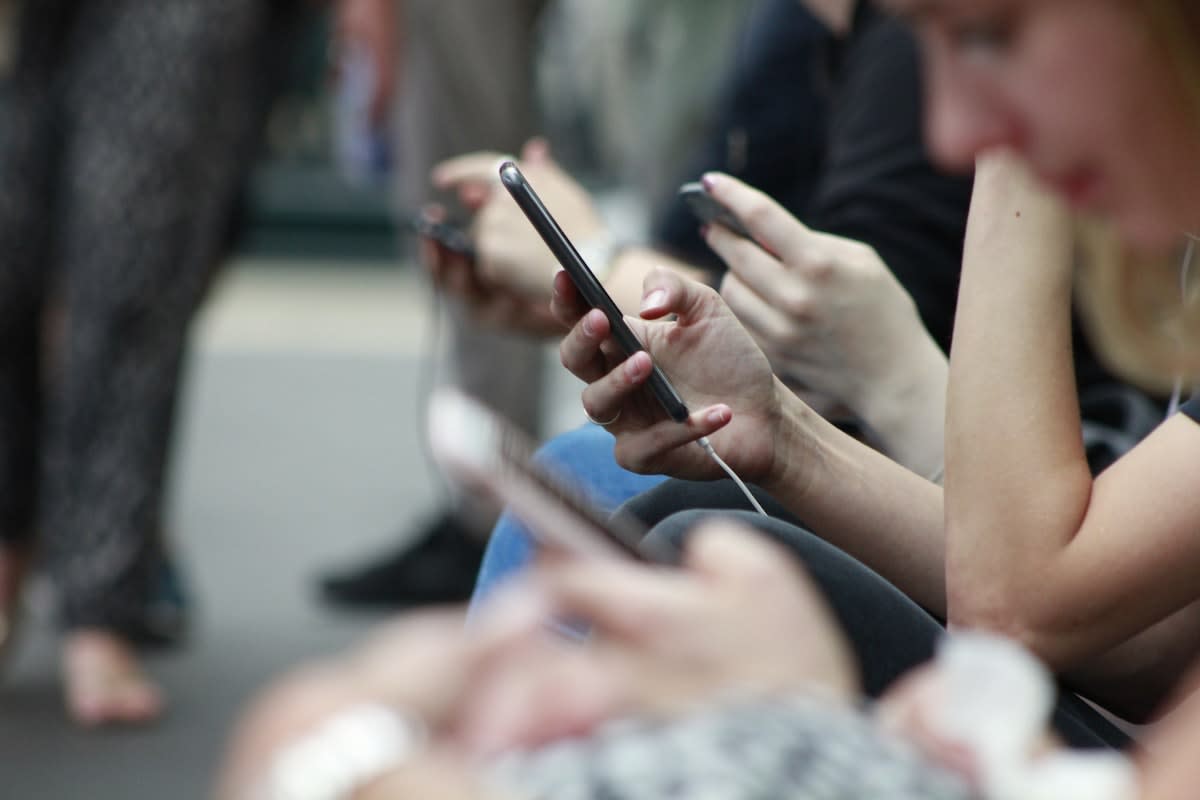
This is not a crisis of loneliness, though loneliness is a symptom. It is a crisis of competence. According to a 2022 report on adolescent mental health, social anxiety markers have risen significantly in tandem with the adoption of asynchronous communication tools (Source: World Health Organization, 2022). The ability to edit, delete, and curate a persona in a text box is the antithesis of real-time social interaction, which is messy, immediate, and irreversible.
Can we reverse this atrophy? The answer lies in the intentional reintroduction of friction. This is not about abandoning technology, but about recognizing that some inefficiencies are biologically necessary. We need the 'wrong' order at the coffee shop. We need the awkward silence in the elevator. We need the minor friction of negotiating a shared space with a stranger who has a different worldview.
Adapting to the Post-Friction World
The opportunity here is to treat social confidence as a deliberate practice. Rather than viewing social anxiety as a pathology, we should view it as a sign of under-training. The most resilient individuals in the coming decade will be those who consciously seek out 'inefficient' interactions. They will be the ones who choose the human teller over the ATM or the phone call over the email, not out of nostalgia, but as a form of cognitive hygiene.
- Prioritizing synchronous communication (voice/face) over asynchronous (text/email) for complex topics.
- Engaging in 'micro-bravery' exercises, such as asking a stranger for a recommendation.
- Reducing reliance on 'curation tools' that allow for the editing of social presence.
- Seeking out 'third places' that require active navigation of shared physical space.
Ultimately, the frictionless trap is a mirror of our broader desire for control. We want to control the outcome, the timing, and the image we project. But growth only happens in the gap between our expectations and the reality of another human's reaction. By eliminating that gap, we have accidentally eliminated our primary mechanism for psychological growth.
Editorial Note
This analysis focuses on the systemic shift in social infrastructure. While individual experiences vary, the overarching trend is a move toward 'social optimization' that removes the training wheels of low-stakes interaction.
Fact-Check & Accuracy Note
Key claims regarding the rise of social anxiety and the impact of asynchronous communication are sourced from Pew Research (2023) and the World Health Organization (2022). The concept of 'social scaffolding' is a recurring theme in current behavioral psychology debates regarding digital natives.