
The Great Metabolic Migration
Twelve months ago, the Continuous Glucose Monitor (CGM) was viewed almost exclusively as a life-saving medical tool for those managing insulin-dependent diabetes. Today, it has morphed into the ultimate status symbol for the biohacking elite and the health-conscious middle class. This is not a slow evolution; it is a migration. We are seeing a fundamental shift where the 'healthy' person no longer trusts their feeling of satiety or a generic food pyramid, but instead demands a real-time data stream of their internal biochemistry. Why the sudden urgency? The allure lies in the immediate feedback loop—the ability to see exactly how a sourdough slice or a stressful boardroom meeting spikes blood sugar in seconds.
This trend is gaining traction across diverse urban hubs, from the high-performance circles of Singapore to the longevity clinics of London and the wellness retreats of Los Angeles. The driver is a growing distrust of one-size-fits-all nutritional advice. People have realized that a banana might cause a massive glucose spike in one person while barely registering in another. By quantifying this individuality, the CGM transforms the act of eating from a guessing game into a precision science. The market for these devices is reflecting this surge, with the global CGM market projected to reach approximately $15.5 billion by 2030 (Source: Grand View Research, 2023).
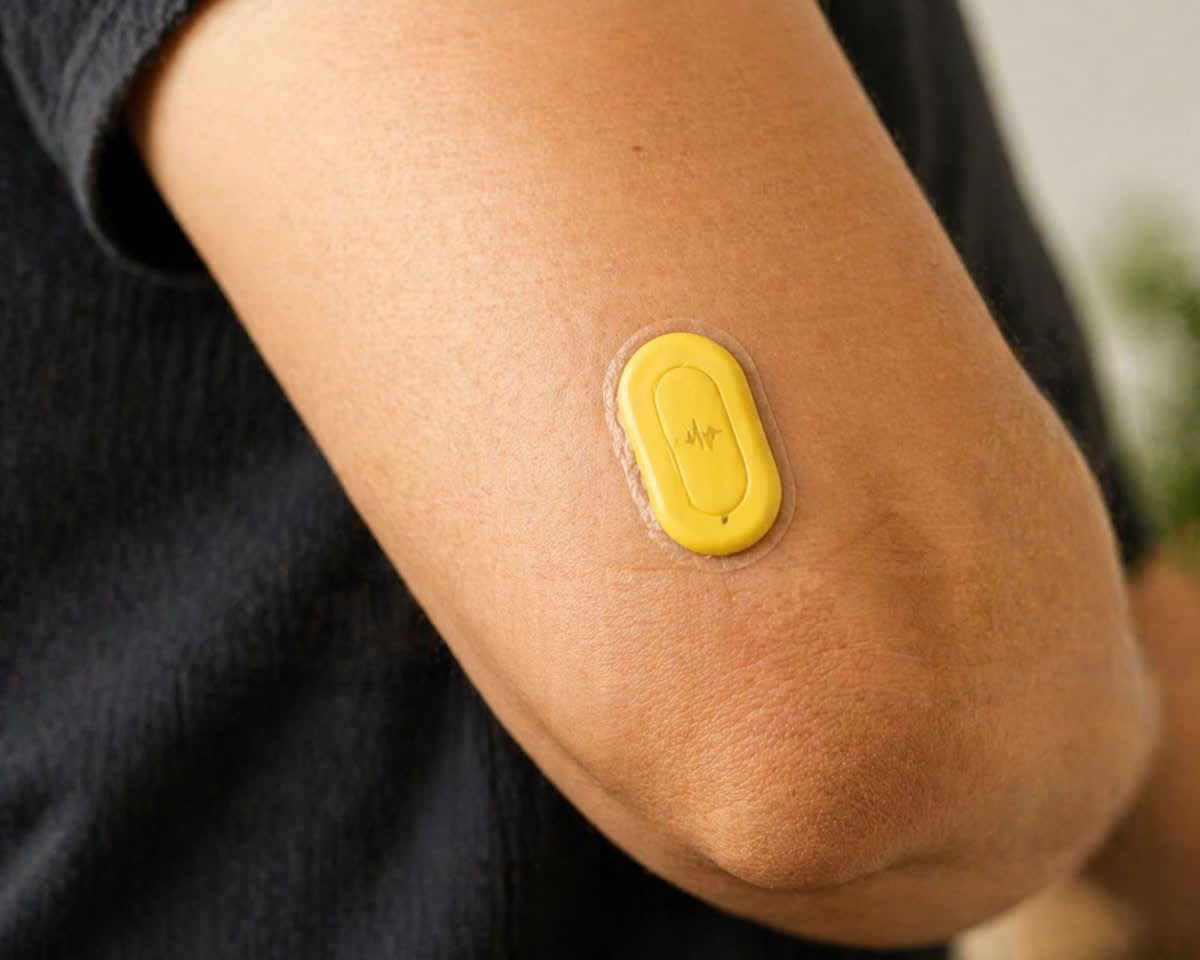
Compare the landscape of early 2023 to today, and the 'Delta' is staggering. A year ago, accessing a CGM without a prescription was a logistical hurdle involving gray-market imports or expensive concierge doctors. Now, consumer-facing platforms like Levels and Nutrisense have streamlined the pipeline, pairing the hardware with software that translates raw medical data into actionable lifestyle insights. They have successfully rebranded a medical device as a 'metabolic dashboard.' This shift has moved the conversation from 'avoiding hyperglycemia' to 'optimizing glycemic variability,' a nuance that appeals to the modern obsession with peak performance.
"The democratization of glucose data is a double-edged sword. While it empowers the individual to understand their metabolic health, we risk creating a generation of 'data-anxious' consumers who view a natural post-meal rise in glucose as a failure rather than a biological function."— Dr. Sarah Jenkins, Metabolic Health Researcher at the Global Health Institute
Is this the dawn of personalized medicine or merely the latest iteration of health anxiety? The tension is palpable. On one hand, we have the ability to identify pre-diabetic trends years before a fasting glucose test would trigger an alarm. On the other, we see healthy individuals obsessing over 'flatlining' their curves, potentially ignoring the broader context of nutrition and mental well-being. The goal has shifted from health maintenance to a relentless pursuit of metabolic perfection, often driven by algorithms that don't account for the psychological cost of constant monitoring.
| Feature | Traditional Clinical Use | Modern Wellness Use |
|---|---|---|
| Primary Goal | Glycemic Control / Survival | Performance / Longevity |
| Data Interpretation | Medical Protocol (Physician) | Pattern Recognition (App/Coach) |
| Frequency of Use | Permanent/Chronic | Intermittent 'Sprints' (e.g., 14 days) |
| Success Metric | HbA1c Reduction | Minimized Glucose Spikes |
Walk into any endocrinology clinic today and you will hear the same friction. Doctors are staring at patients who aren't diabetic but have brought in a 14-day glucose map of their morning oatmeal spikes. The debate isn't about whether the data is accurate—it's about whether the patient has the psychological maturity to handle it without spiraling into food anxiety. We are seeing a clash between the clinical gold standard of A1c tests and the chaotic, real-time volatility of the CGM. It is a wild west of interpretation where the wellness coach's 'hack' often contradicts the physician's 'protocol,' leaving the patient caught in the middle of a data war.
The Feedback Loop Obsession
The psychology driving the Glucose Gold Rush is rooted in the dopamine hit of quantification. For decades, health was an invisible metric; you felt 'good' or 'bad.' Now, health is a line graph. When a user sees their glucose spike after a high-carb meal and then sees it drop after a ten-minute walk, the behavior is reinforced instantly. This is the 'gamification' of biology. It is far more effective than a doctor telling a patient to 'exercise more' during a fifteen-minute appointment every six months. The immediacy of the data creates a powerful incentive for behavioral change that traditional medicine has struggled to achieve.
However, this obsession with the 'spike' ignores the complexity of human metabolism. Glucose is fuel, not a poison. The healthy body is designed to handle fluctuations. The danger arises when the 'healthy' user begins to treat a normal physiological response as a medical emergency. This has led to a rise in what some practitioners call 'orthorexia 2.0,' where the fear of the spike outweighs the nutritional value of the food. We are witnessing a transition where the device, intended to provide freedom from guesswork, becomes a digital leash that dictates every bite of food.
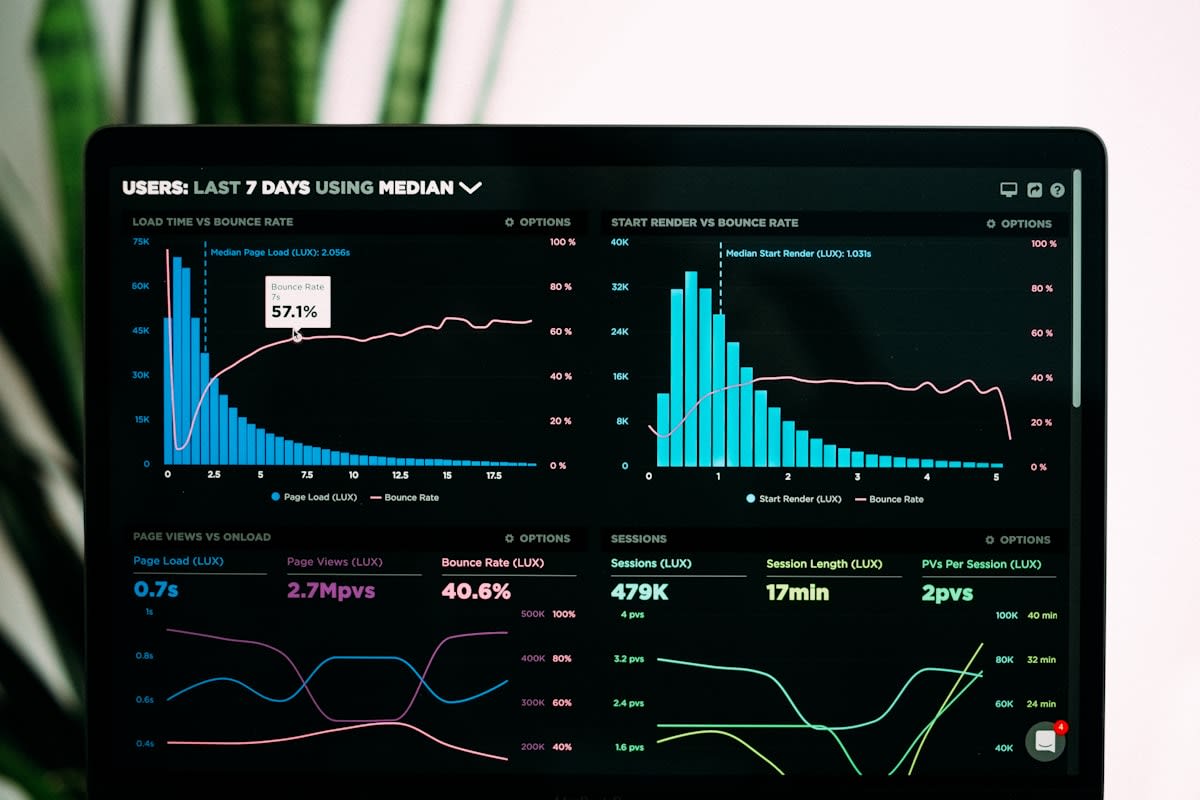
The global scale of this shift is evident in the changing demographics of device buyers. While the International Diabetes Federation noted that approximately 537 million adults were living with diabetes in 2021 (Source: IDF Diabetes Atlas, 2021), the growth in CGM sales is now outpacing the growth of diagnosed diabetes cases in several developed markets. This suggests that the 'wellness' segment is no longer a niche; it is becoming a primary driver of hardware innovation. Companies are now designing sensors that are smaller, longer-lasting, and more integrated with other wearables like the Oura ring or Apple Watch.
Editorial Note: The AI Convergence
The integration of CGM data with AI is the next frontier. We are moving toward 'predictive metabolism,' where an app won't just tell you that your sugar is spiking, but will warn you 30 minutes in advance based on your sleep quality and calendar events.
Beyond the Spike: The Systemic Implication
If millions of healthy people start optimizing their glucose, the ripple effects will hit the food industry next. We are already seeing a pivot toward 'glucose-friendly' labeling and the rise of ingredients designed to blunt the glycemic response, such as apple cider vinegar or specific fiber blends. The food industry is reacting to a consumer base that can now 'prove' a product causes a spike in real-time. This creates a powerful market incentive for companies to reformulate products not just for calories, but for metabolic impact.
The ultimate opportunity here is the transition from reactive to proactive healthcare. By identifying 'metabolic inflexibility'—the body's inability to switch efficiently between burning carbs and fats—before it becomes Type 2 diabetes, we could potentially save healthcare systems billions in long-term chronic care costs. The challenge is ensuring this technology doesn't remain a luxury for the wealthy, creating a 'metabolic divide' where only the affluent have the tools to prevent chronic disease.
As we look forward, the Glucose Gold Rush represents a broader desire for agency over our own biology. We are no longer content with being passive recipients of medical advice; we want to be the lead investigators of our own health. Whether this leads to a healthier global population or a collective obsession with numbers remains to be seen. What is certain is that the seal has been broken. The bloodstream is now a readable map, and once people have seen the data, they cannot go back to guessing.
Fact-Check & Accuracy Note
Key claims regarding market valuation are sourced from Grand View Research (2023). Diabetes prevalence data is attributed to the IDF Diabetes Atlas (2021). The distinction between clinical and wellness use reflects ongoing debates in endocrinology circles regarding 'data anxiety' and 'orthorexia,' though large-scale peer-reviewed studies on the psychological impact of non-diabetic CGM use are still emerging.