You know the feeling. It is 2:30 PM, and suddenly your focus evaporates. The words on the screen blur, your decision-making slows to a crawl, and the only thing your brain craves is caffeine or a sugary snack to survive the afternoon. This isn't a lack of willpower or a sign of aging; it is a biological reaction to a glucose spike and the subsequent crash. When you consume carbohydrates or sugars on an empty stomach, they hit your bloodstream with overwhelming speed, triggering a massive insulin response that sweeps your blood sugar low—too low for your brain to function optimally.
The solution isn't necessarily about what you eat, but when you eat it. By altering the sequence of food entering your stomach, you create a biological buffer that slows down the absorption of glucose. This simple shift in habit transforms your meal from a metabolic rollercoaster into a steady stream of energy. We are talking about the difference between a jagged peak of energy followed by a cliff-dive and a gentle, rolling hill of cognitive clarity.
Prerequisites for Glucose Management
Before implementing the sequence, you need a basic grasp of how your body processes fuel. Your brain runs on glucose, but it hates volatility. When glucose levels spike rapidly, the pancreas releases insulin to move that sugar into your cells. If the spike is too high, the insulin response is often over-aggressive, leading to reactive hypoglycemia (Source: American Diabetes Association, 2023). To prevent this, you must understand the three primary components of your plate: fiber (vegetables), proteins and fats (meat, tofu, nuts), and starches and sugars (bread, rice, fruit, desserts).
- Fiber: The 'net' that slows glucose absorption (e.g., leafy greens, broccoli, chia seeds).
- Proteins & Fats: The 'stabilizers' that slow gastric emptying (e.g., salmon, eggs, avocado, legumes).
- Starches & Sugars: The 'fast fuel' that causes the spike (e.g., white rice, pasta, honey, fruit).
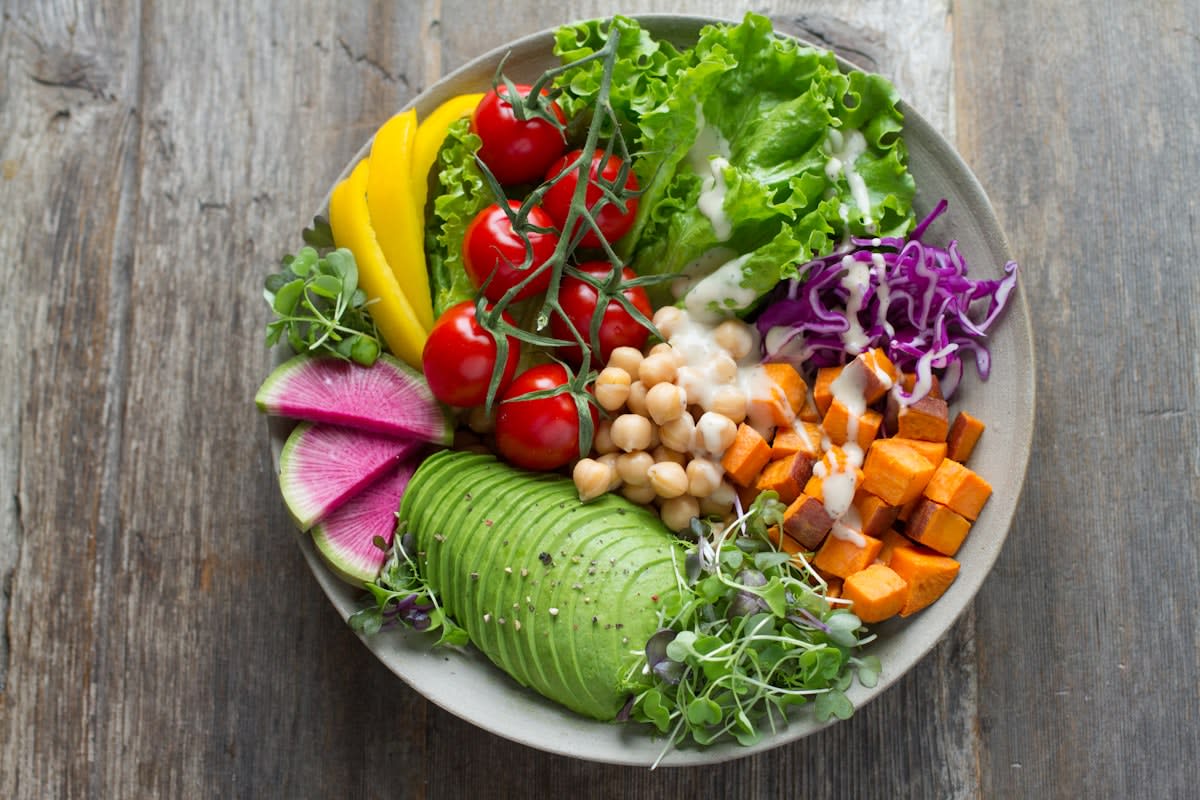
Most people do the opposite: they start with a piece of bread or a fruit smoothie, hitting an empty stomach with pure glucose. This sets the stage for the crash before the meal is even finished. The goal is to coat the small intestine with fiber and protein first, effectively creating a filter that prevents glucose from rushing into the bloodstream all at once.
The Master Sequence: A Step-by-Step Execution
- Step 1: Start with Fiber. Eat your vegetables or a salad first. This creates a viscous mesh in your intestine that slows the passage of subsequent foods.
- Step 2: Consume Proteins and Fats. Follow the fiber with your main protein source and healthy fats. This further slows down gastric emptying, ensuring that any sugars consumed later enter the blood gradually.
- Step 3: End with Starches and Sugars. Save the rice, potatoes, bread, or dessert for the end of the meal. Because of the fiber and protein 'buffer,' the glucose spike will be significantly dampened.
- Step 4: The Post-Meal Movement. Within 10 to 20 minutes of finishing, engage in light activity—a 10-minute walk or simple stretching. This allows your muscles to soak up the excess glucose without requiring a massive insulin surge.
Does this mean you have to eat your meal in disjointed stages? Not necessarily. While strict separation is most effective, simply prioritizing the order within a single plate works. If you are eating a bowl of stir-fry, eat the broccoli and peppers first, then the chicken, and finally the rice. It is a subtle shift in behavior with a disproportionate impact on your mental clarity.
"The order in which you eat your food can significantly change the glucose response of the meal, effectively flattening the curve and reducing the insulin spike that leads to fatigue."— Jessie Inchauspé, Biological Chemist and Author of Glucose Revolution
This approach is globally applicable, regardless of the cuisine. In a traditional Japanese meal, this looks like starting with the tsukemono (pickled vegetables) and sashimi before moving to the steamed rice. In a Latin American context, it means eating the avocado and salad before the tortillas or beans. The biology remains the same whether you are in Tokyo, Mexico City, or London: fiber first, carbs last.
The Practitioner's Perspective: The Ground-Level Debate
In clinical nutrition and high-performance coaching, there is a simmering debate between the 'Calorie Counting' camp and the 'Glucose Management' camp. For decades, the focus was purely on caloric deficits and macros. However, practitioners on the ground have noticed that two people can eat the exact same 600-calorie meal—one feeling energized and the other falling into a coma—simply based on the order of consumption. The friction arises when traditional dietitians argue that total load is all that matters, while those observing real-time Continuous Glucose Monitor (CGM) data see a starkly different story: the sequence changes the metabolic outcome even when the calories are identical.
| Meal Component | Traditional Order (Carbs First) | Glucose Sequence (Fiber First) |
|---|---|---|
| Glucose Spike | High/Sharp | Low/Flattened |
| Insulin Response | Aggressive | Moderate |
| Post-Meal Energy | Crash/Brain Fog | Stable/Alert |
| Cravings (2h later) | Strong (Sugar/Carbs) | Minimal |
The real-world application of this is often harder than the theory. We live in a world of 'convenience' foods where the carb, protein, and fat are blended into a single patty or a wrap. The challenge for the practitioner is teaching clients how to 'deconstruct' these meals. I have seen high-performing executives struggle with this during business lunches; the social pressure to dive into the breadbasket is immense. The secret is a simple side salad or a handful of nuts before the main course arrives.
Common Pitfalls and How to Avoid Them
The most common mistake is the 'Healthy Smoothie' trap. Many people start their day with a blend of spinach, berries, and banana. While the ingredients are nutrient-dense, the blending process breaks down the fiber, essentially turning the drink into a liquid sugar shot that hits the bloodstream instantly. To fix this, eat a handful of raw almonds or a hard-boiled egg before your smoothie to provide the necessary protein and fat buffer.
Another pitfall is the 'Fruit as a Starter' habit. In many cultures, fruit is served first to cleanse the palate. Biologically, this is a mistake if your goal is cognitive stability. Fruit contains fructose and glucose; eating it on an empty stomach is the fastest route to a mid-morning crash. Move the fruit to the end of the meal, treating it as a dessert, and you will notice a significant difference in your focus levels.
Fact-Check & Accuracy Note
The key claims regarding glucose sequencing and the 'flattening' of the glucose curve are based on observational data from CGM (Continuous Glucose Monitor) users and nutritional studies on gastric emptying. While widely adopted in biohacking and wellness circles, the exact degree of glucose reduction varies based on individual insulin sensitivity and the specific type of fiber consumed. Ongoing research is exploring the long-term impact of sequencing on HbA1c levels.