
The Great Decoupling from the Mine
For decades, the narrative of the energy transition centered on the dirt. We looked at maps of the earth's crust, identifying where the graphite lay and who controlled the access to those deposits. But as of August 2026, that map is becoming irrelevant. A fundamental pivot is underway, shifting the center of gravity from the extraction site to the research laboratory. We are witnessing the birth of a synthetic era where the ability to manufacture carbon outweighs the ability to dig it up.
Why does this matter now? Because the fragility of global supply chains has turned battery sovereignty into a national security imperative. The reliance on specific geographic corridors for natural graphite created a bottleneck that the industry could no longer ignore. The response has not been to find more mines, but to render the mine obsolete. By leveraging artificial graphite and carbon-capture technology, nations are effectively printing their own energy security.
The Growth Delta
The shift is quantifiable. Artificial graphite exports for FY 2024-25 hit a value of ₹1299 crore, representing a staggering 605% year-on-year growth. This isn't a gradual climb; it is a vertical leap.
This 605% surge in artificial graphite exports signals a massive reallocation of capital and industrial focus. When a sector grows at this velocity, it indicates that the market has reached a tipping point of confidence in synthetic alternatives. We are no longer talking about a laboratory curiosity or a niche supplement to natural graphite. We are seeing the industrialization of a new carbon economy that prioritizes purity and predictability over raw extraction.
| Top Importing Nations | Strategic Driver |
|---|---|
| United States | Supply Chain Diversification |
| South Korea | High-Density Battery Production |
| Germany | Automotive Electrification |
| China | Industrial Scaling |
| Japan | Precision Engineering |
| Turkey | Emerging Manufacturing Hub |
The list of importing nations reveals a global consensus. From the United States to Japan and Germany, the world's industrial powerhouses are aggressively sourcing artificial graphite. This collective pivot suggests that the technical hurdles of synthetic graphite—namely cost and energy intensity—are being eclipsed by the strategic need for a stable, non-geopolitically constrained supply. These nations aren't just buying a material; they are buying insurance against supply shocks.
This shift is not happening in a vacuum. It is part of a broader ambition to build massive chemical economies. For instance, the NextGen Summit 2024 highlighted a vision to achieve a US $2 Trillion chemical economy by 2047. The graphite pivot is a primary engine for this growth, transforming the chemical sector from a provider of raw materials into a provider of high-tech, engineered solutions.
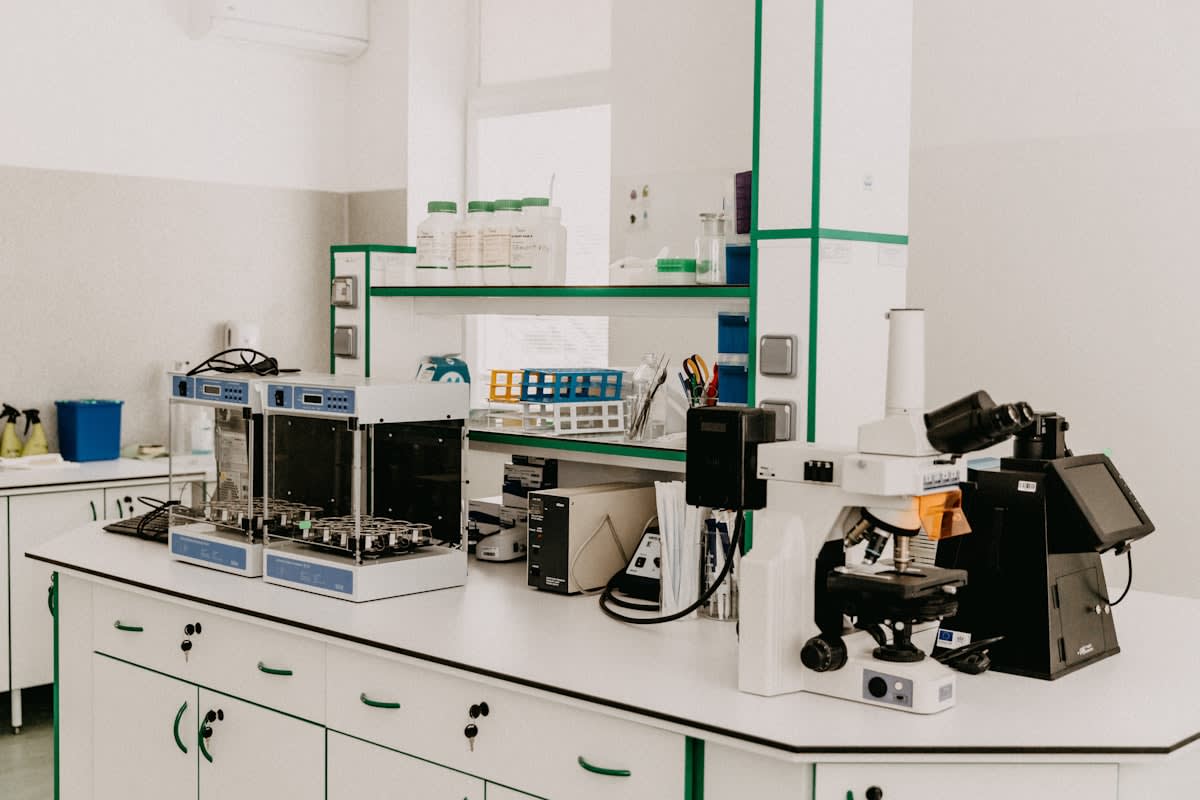
But the real disruption arrived this month. On August 5, 2026, reports emerged of a breakthrough that transforms the very nature of the carbon race. Scientists have successfully turned carbon dioxide waste into graphite. If we can move from mining carbon to capturing it from the atmosphere or industrial waste streams, the economic equation changes entirely. We are moving from a subtractive process (mining) to a circular process (capture and convert).
Solving the Molecular Mystery
For years, the conversion of CO2 into a structured, crystalline form like graphite was a theoretical goal plagued by inefficiency. The reaction was unpredictable, and the yields were too low for industrial application. However, recent observations have solved a long-standing mystery about how this reaction works at the molecular level. By understanding the precise mechanism of carbon rearrangement, researchers have unlocked the door to scalable production.
What does this mean for the average observer? It means the anode of your future electric vehicle could be made from the very emissions that previously warmed the planet. This is the ultimate resilience play. Instead of fighting over the remaining deposits of natural graphite, the industry is learning to create its own supply from the air. This turns a liability—carbon waste—into a strategic asset.
"The breakthrough observations solved a long-standing mystery about how the reaction works at the molecular level, opening a new path beyond mining."— Scientific Report, August 2026
This capability fundamentally alters the concept of battery sovereignty. Sovereignty is no longer about who owns the land; it is about who owns the intellectual property and the energy infrastructure to run these conversion labs. The power shifts from the resource-rich to the tech-rich. This creates a new hierarchy of industrial power where the ability to manipulate molecules is the ultimate currency.
We must ask: will this lead to a complete abandonment of natural graphite? Likely not in the immediate term, but the trajectory is clear. As the cost of CO2-to-graphite conversion drops and the efficiency of artificial graphite improves, the economic incentive to maintain expensive and environmentally damaging mines will evaporate. The lab is not just supplementing the mine; it is replacing it.
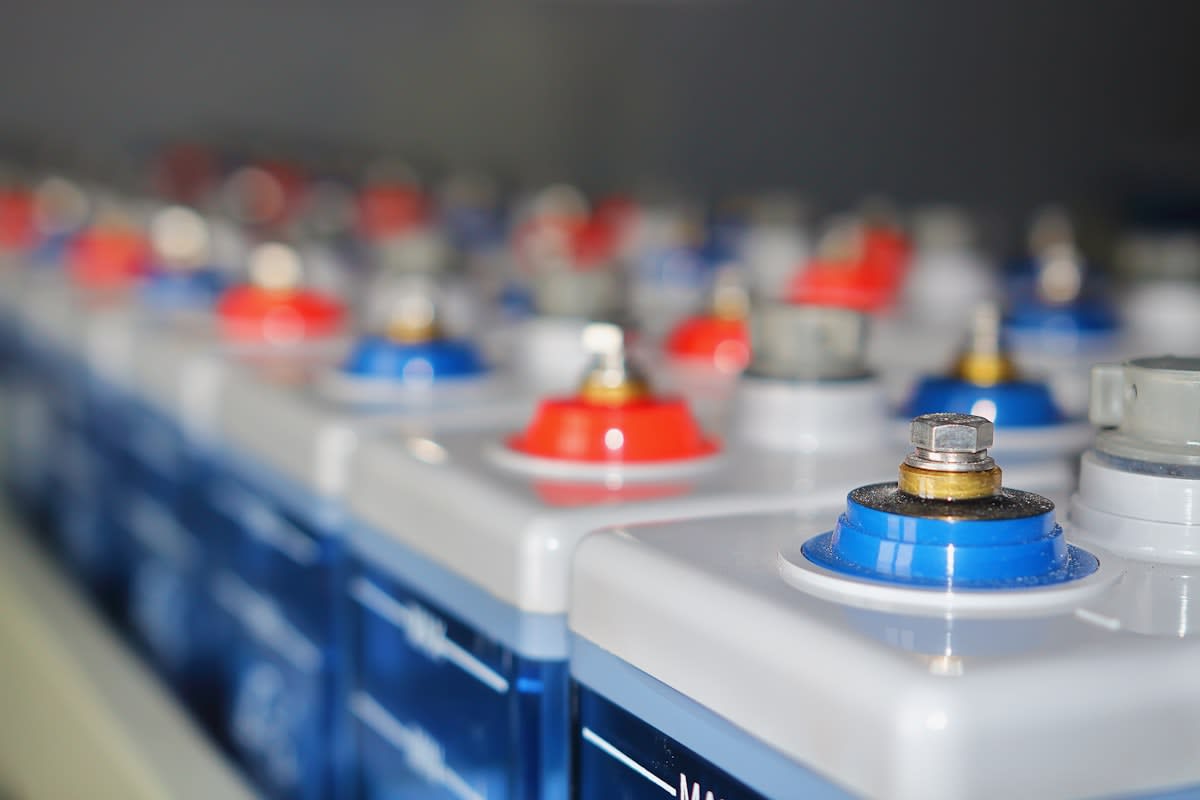
The geopolitical implications are profound. When you look at the top importers—US, South Korea, Germany, China, Japan—you see a circle of nations that are all racing to decouple their energy futures from volatile mining regions. The 605% growth in artificial graphite exports is the first concrete evidence that this decoupling is working. The world is building a synthetic shield against supply chain weaponization.
Ultimately, this is a story of adaptation. The industry faced a choice: accept the constraints of geology or invent a new way forward. By choosing the latter, the global battery sector is not just solving a material shortage; it is pioneering a new form of industrial ecology. The race for battery sovereignty has moved into the lab, and the winners will be those who can master the alchemy of carbon.
Growth of Artificial Graphite Export Value (FY 2024-25)
Executive Insight
+18.4%
YTD Growth
As we look toward 2047 and the goal of a multi-trillion dollar chemical economy, the graphite pivot serves as the blueprint. It demonstrates that the path to growth is not through more extraction, but through more intelligence. The transition from mines to labs is more than a technical shift; it is a philosophical one, marking the end of the extractive age and the beginning of the synthetic age.