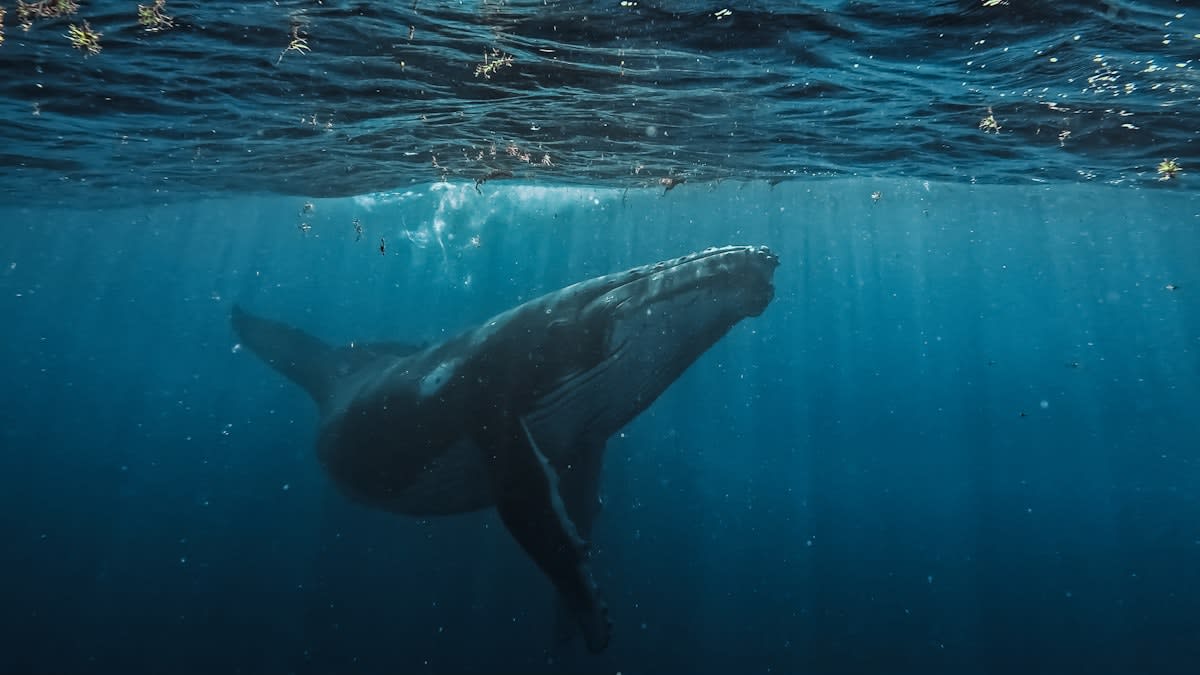
The ocean is not a silent void; it is a dense, vibrating medium where sound travels four times faster than it does through air. For millions of years, marine organisms have treated the acoustic landscape as their primary sensory map, using it to hunt, mate, and navigate the featureless depths. However, we have introduced a systemic disruption: a persistent, low-frequency hum generated by global commerce, military dominance, and resource extraction. This is the bio-acoustic fog. Rather than viewing this as a simple environmental tragedy, we must recognize it as a powerful evolutionary catalyst that is forcing a rapid realignment of marine biological signatures.
Most environmental discourse focuses on the immediate trauma of noise—the stranded whale or the disoriented dolphin. This perspective is too narrow. The real story lies in the long-term systemic shift. When the ambient noise floor of the ocean rises, the acoustic space available for communication shrinks. This is not just a nuisance; it is a compression of the biological bandwidth. Species are now competing for the remaining 'quiet' frequencies, leading to a high-stakes game of acoustic musical chairs where only the most adaptable survive. We are witnessing a real-time redesign of the ocean's sonic architecture.
The Mechanics of Acoustic Masking
Acoustic masking occurs when anthropogenic noise overlaps with the frequencies used by marine life, effectively blurring the signal. Imagine trying to have a whispered conversation in the middle of a jet engine test. For a blue whale, whose low-frequency calls can travel across entire ocean basins, the roar of a container ship is not just loud—it is an erasure of their social network. When these signals are masked, the energetic cost of communication spikes. Animals must either shout louder, change their pitch, or wait for gaps in the noise, all of which deplete critical caloric reserves.
This masking is not uniform across the globe. In the North Atlantic, the density of shipping lanes creates a permanent wall of sound. In the Arctic, the sudden influx of ice-breaking vessels and seismic surveys for oil and gas has introduced noise into an environment that was historically characterized by the rhythmic cracking of ice. The biological response varies by region, but the systemic trend is clear: marine life is being pushed out of its ancestral frequency bands. This creates a fragmented acoustic landscape where populations become isolated not by physical barriers, but by sonic ones.
"We are no longer looking at a localized pollution problem. We are observing a global shift in the sensory ecology of the planet. The ocean is being rewritten in a key that many species cannot sing in."— Dr. Elena Vance, Marine Bio-Acoustics Analyst
Does this inevitably lead to extinction? Not necessarily. The contrarian view suggests that this pressure is accelerating a form of forced evolution. Some species are exhibiting the Lombard effect—the instinctive increase in vocal effort to be heard over noise. While this is a short-term fix, the long-term adaptation is more profound. We are seeing evidence of species shifting their fundamental frequencies upward to escape the low-frequency rumble of shipping, effectively migrating to a different part of the sonic spectrum to find clarity.
Systemic Impacts Across the Frequency Spectrum
| Noise Source | Frequency Range | Primary Biological Impact | Adaptive Response |
|---|---|---|---|
| Commercial Shipping | 10 Hz - 1 kHz | Masking of baleen whale calls | Frequency shifting / Increased amplitude |
| Military Sonar | 1 kHz - 10 kHz | Behavioral panic / Deep-diving | Avoidance of high-risk zones |
| Seismic Surveys | 10 Hz - 250 Hz | Hearing threshold shifts | Temporal shifts in foraging |
| Offshore Wind Construction | 100 Hz - 2 kHz | Disruption of fish spawning | Migration to peripheral habitats |
The table above illustrates a critical point: the noise is not a monolithic entity. It is a complex tapestry of overlapping frequencies. The systemic danger arises when these sources synchronize. For instance, a shipping lane that coincides with a seismic survey zone creates a 'dead zone' for communication. In these areas, the ambient noise level has increased by an estimated 20 to 30 decibels over the last half-century. This is not a linear increase; it is an exponential surge in acoustic clutter that leaves no room for biological error.
Consider the case of the North Atlantic Right Whale. These animals rely on low-frequency contact calls to maintain social bonds. As shipping noise encroaches on their frequency, the whales have been forced to increase the pitch of their calls. While this allows them to be heard, it comes with a trade-off. Higher frequency sounds do not travel as far as lower ones. By adapting to be heard over the noise, they have inadvertently shrunk their communication range, effectively isolating individuals and reducing the efficiency of mating searches.
Strategic Insight
The 'Acoustic Niche' hypothesis suggests that species evolve to occupy specific frequency bands to avoid competition. Anthropogenic noise is essentially 'squatting' on the most valuable acoustic real estate, forcing wildlife into suboptimal bands.
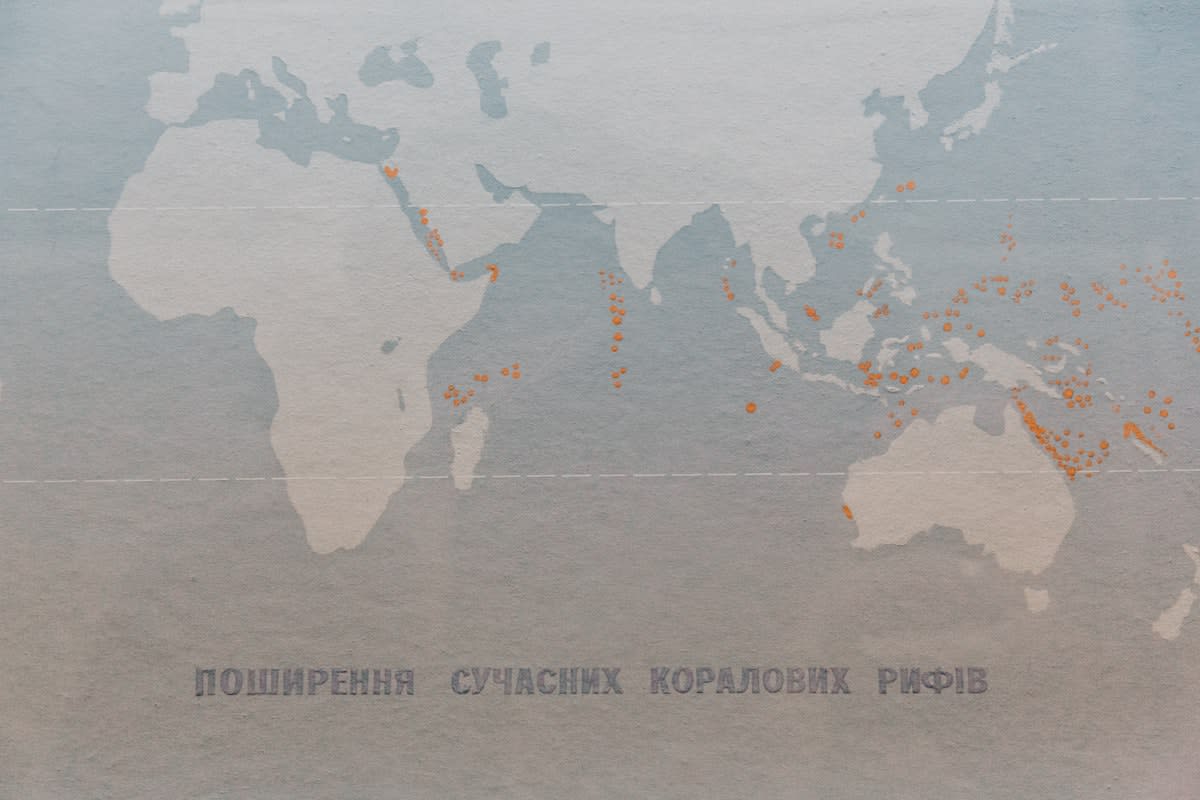
This shift is not limited to mammals. Invertebrates and fish, often overlooked in the noise debate, are equally affected. Many reef fish rely on the 'soundscape' of the coral reef to navigate toward healthy habitats. When industrial noise washes over a reef, the larvae cannot hear the biological cues of their home. This disrupts the recruitment process, leading to a decline in reef resilience. The noise is not just masking sound; it is breaking the invisible threads that connect larval fish to their ancestral homes.
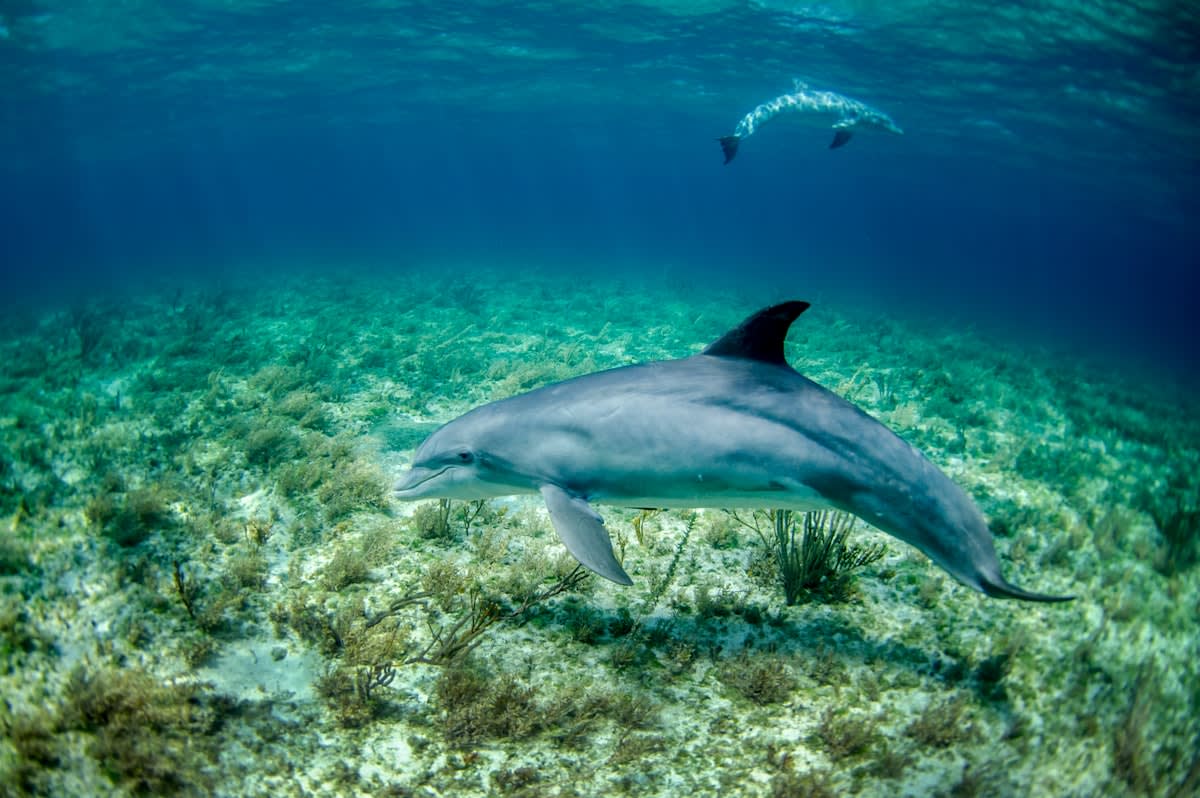
We must ask: is this a path to extinction or a catalyst for a new kind of resilience? History shows that species under extreme pressure often find innovative solutions. Some populations of dolphins have been observed altering the timing of their clicks to coincide with gaps in sonar activity. This demonstrates a level of cognitive plasticity that suggests marine life is not just a passive victim of noise, but an active participant in its own survival strategy.
The economic drivers of this fog are undeniable. Global trade relies on the efficiency of the current shipping fleet. However, the emergence of 'Quiet Ship' technology—optimizing propeller design to reduce cavitation—offers a path toward a symbiotic relationship. If the industry shifts toward acoustic sustainability, we can expand the available bandwidth for marine life without compromising trade. The challenge is not the noise itself, but the lack of a global regulatory framework to manage the acoustic commons.
Looking ahead, the bio-acoustic fog will likely intensify as deep-sea mining becomes a commercial reality. The introduction of heavy machinery into the abyssal plains—the quietest places on Earth—will be a systemic shock unlike any other. If we do not establish 'acoustic sanctuaries'—zones where anthropogenic noise is strictly limited—we risk permanently altering the evolutionary trajectory of the deep ocean. The goal should not be total silence, which is impossible, but the preservation of acoustic diversity.
Ultimately, the story of marine noise pollution is a story of adaptation. The ocean is transitioning from a natural sonic environment to a managed one. The species that survive will be those capable of the most rapid acoustic pivots. As a global society, our role is to ensure that the 'fog' does not become a wall, leaving the inhabitants of the deep in a world where they can scream, but never be heard.