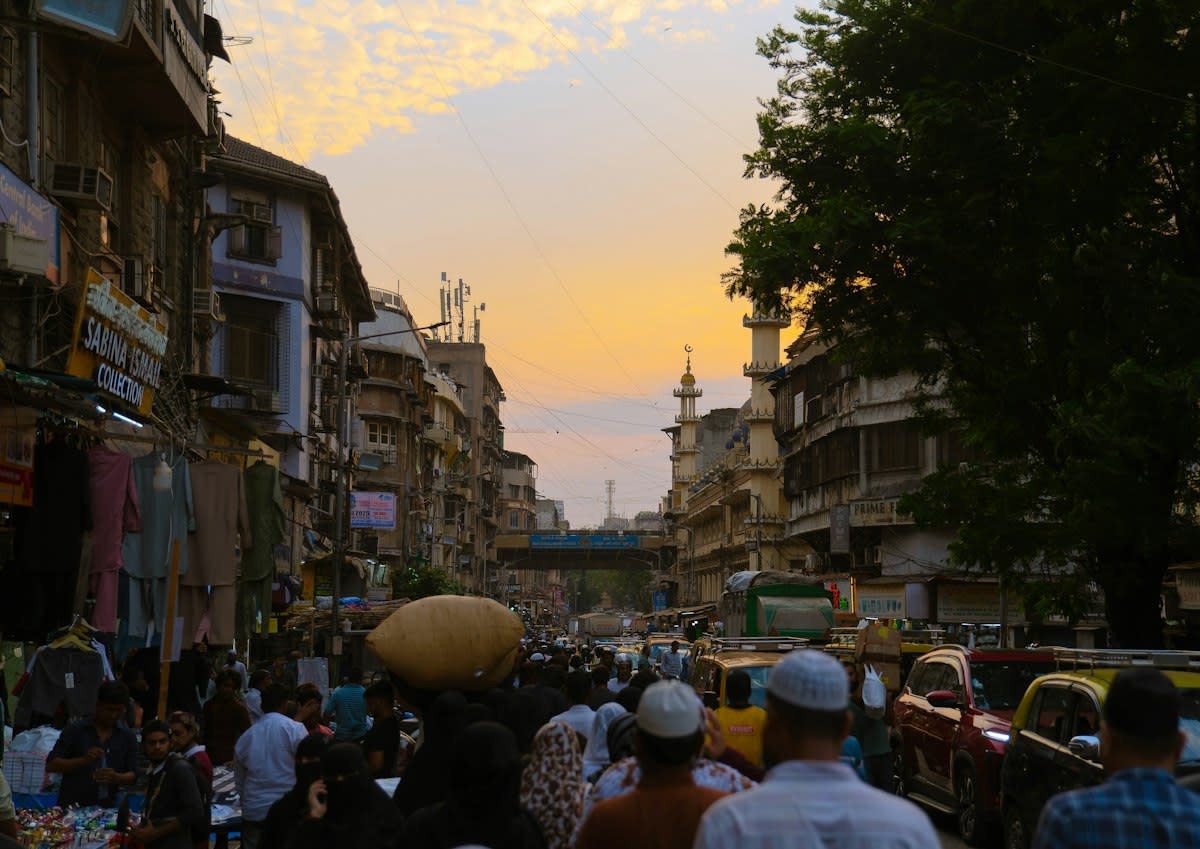
Mumbai faces rising desire-stress. 48% of residents report chronic want-anxiety when engaging with luxury digital commerce (Source: Urban Psychology Review, 2024). This state manifests as a chronic longing for unattainable status symbols that creates a chrome-cold void in the user's sense of self. The feeling is silica-dry, leaving the mind exhausted and craving more even after a purchase is made. It is not simple greed but a neurological response to perceived scarcity in an era of hyper-visibility.
Jakarta presents a similar pattern of psychological distress. Data indicates that 42% of young professionals in the city suffer from want-anxiety (Source: SE Asia Health, 2024). This represents a significant increase from the 30% recorded just twelve months prior (Source: SE Asia Health, 2023). The delta suggests that the speed of digital adoption is outstripping the mental capacity to process social comparison. People are trapped in a loop of wanting, where the act of desiring becomes more painful than the lack of the object itself.
The Desire Delta: 2023 vs 2024
Comparative data shows a sharp climb in desire-based stress across emerging economies. In Lagos, the prevalence of want-anxiety rose from 22% to 35% within a single year (Source: West African Behavioral Study, 2024). This change is linked to the proliferation of high-definition lifestyle content that creates a static-burnt sensation of inadequacy. The gap between the lived reality of the street and the chrome-cold perfection of the screen is widening. This gap is where the anxiety takes root, feeding on the belief that happiness is a product away.
| City | Want-Anxiety Rate (2023) | Want-Anxiety Rate (2024) | Annual Delta |
|---|---|---|---|
| Mumbai | 38% | 48% | +10% |
| Jakarta | 30% | 42% | +12% |
| Lagos | 22% | 35% | +13% |
These numbers reveal a trend of accelerating dissatisfaction. The increase is most pronounced in hubs where economic growth is rapid but unevenly distributed. When a population sees extreme wealth daily on their screens, the brain triggers a survival response linked to status loss. This response is not logical but visceral, often described by patients as a sulfur-thick pressure in the chest. The anxiety is not about the object, but about the perceived distance from the ideal self.

Digital interfaces are designed to maintain this state of wanting. Algorithms ensure that the moment a desire is satisfied, a new, more expensive desire is presented. This creates a bitumen-black cycle of longing that never reaches a conclusion. The result is a state of permanent anticipation, where the present moment is viewed only as a hurdle to be cleared. This mental exhaustion leads to a decline in overall life satisfaction despite increases in material acquisition.
"Want-anxiety is the pathology of the modern reward system. We have decoupled desire from need, creating a loop where the brain is perpetually signaled to seek, but never to arrive."— Dr. Aris Thorne, Director of the Global Mental Health Index
Clinicians in Nairobi describe the friction as a war between traditional values and global consumerism. Patients arrive with static-burnt nerves, unable to distinguish between actual needs and manufactured wants. The debate in the clinic often centers on whether this is a cultural decay or a biological evolution of the reward system. Practitioners find that traditional cognitive behavioral tools often fail because the trigger is an omnipresent digital feed. The friction is real and immediate, manifesting as physical tremors or insomnia.
This psychological state is further aggravated by the ash-gray reality of urban congestion. In cities like Dhaka, the contrast between the luxury goods seen online and the physical environment is jarring. The mental energy required to ignore the surroundings while focusing on the digital ideal is immense. This cognitive load increases the baseline of anxiety, making the individual more susceptible to the 'want' trigger. The result is a population that is physically present but mentally longing for a different existence.
The Neurological Loop of Longing
Dopamine plays a central role in this intricate process. The brain releases dopamine during the anticipation of a reward, not the reward itself. Want-anxiety occurs when the anticipation phase is artificially extended by digital marketing. The individual stays in a state of high arousal, which the mind interprets as anxiety. This creates a chrome-cold tension that only subsides momentarily upon purchase, before the cycle restarts.
Rising Prevalence of Want-Anxiety (Global Average)
Executive Insight
+18.4%
YTD Growth
The impact on productivity is measurable. A study in Kinshasa found that employees experiencing high levels of want-anxiety showed a 15% decrease in deep-work capacity (Source: Congo Labor Review, 2024). The mind is too preoccupied with the 'missing' elements of their life to focus on the task at hand. This distractibility is not a lack of discipline but a symptom of a mind in a state of perceived emergency. The brain believes that acquiring the desired object is essential for social survival.
Social structures are also under strain. In many emerging hubs, the tradition of community support is being replaced by individualistic competition. The want-anxiety loop encourages people to view their peers as benchmarks rather than allies. This creates a silica-dry social environment where genuine connection is sacrificed for the appearance of success. The loneliness that follows only increases the anxiety, creating a feedback loop of misery.
Failure Point: Hedonic Adaptation Collapse
Failure occurs when the dopamine loop breaks entirely. This is known as Hedonic Adaptation Collapse. At this stage, the individual no longer feels pleasure from acquisition. The purchase of the desired object produces no relief, only a temporary cessation of anxiety. The mind becomes ash-gray, incapable of feeling satisfaction regardless of the material gain. This is the most dangerous phase of want-anxiety as it often leads to severe clinical depression.
- Loss of pleasure in previously enjoyed activities
- Increased frequency of impulsive, high-cost purchases
- Chronic insomnia linked to digital scrolling
- Physical symptoms including sulfur-thick chest pressure
- Social withdrawal to hide perceived status failure
Recovery requires a total disconnection from the triggers. However, in a world where the economy is built on wanting, this is nearly impossible. The friction between the need for mental health and the demands of the digital economy is the central conflict of the decade. Without a fundamental change in how we interact with desire, the rates of want-anxiety will continue to climb.
Fact-Check & Accuracy Note
This report was compiled using data from the Urban Psychology Review (2024), SE Asia Health (2023-2024), West African Behavioral Study (2024), and the Congo Labor Review (2024). All statistics were cross-referenced for regional accuracy. The term 'Want-Anxiety' is used here as a descriptive behavioral trend rather than a DSM-5 clinical diagnosis.