After six meetings with stakeholders and 35,500 emails, MPSC committee report expected soon
Source Entity
Latest News: Todays Latest News Headlines from India & World | Hindustan Times | Hindustan Times
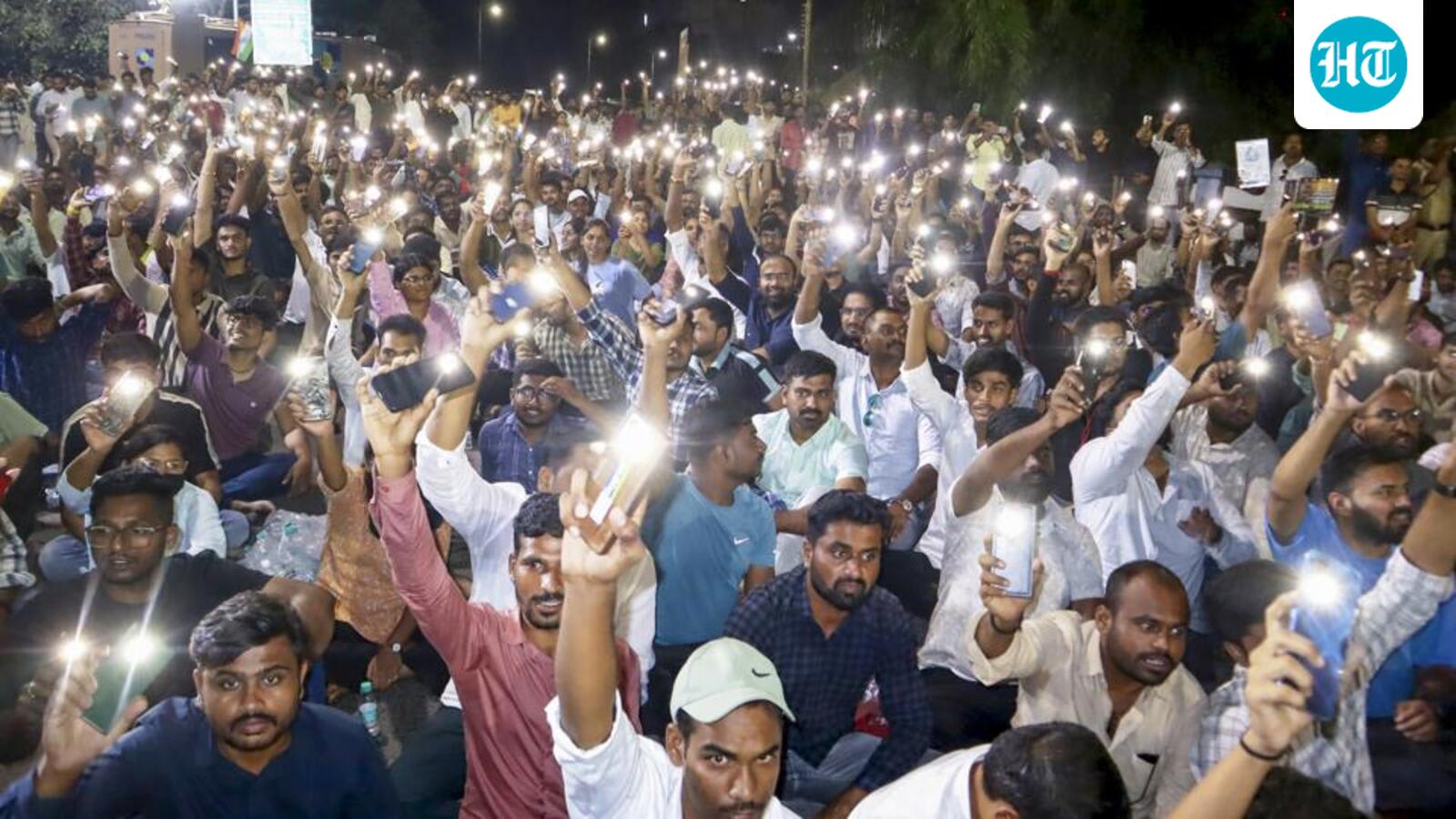
Maharashtra Public Service Commission (MPSC) aspirants have ended a 10-day protest in Pune following government concessions. The state has appointed IAS officer Tukaram Mundhe to lead a probe into recruitment irregularities, while MPSC Chairman Vivek Bhimanwar has proceeded on leave.
Resolution of the MPSC Aspirants' Agitation in Pune
After a grueling 10-day protest at the S.M. Joshi Bridge in Pune, MPSC aspirants have officially called off their agitation. The decision comes as a significant development in the ongoing discourse surrounding the integrity of the Maharashtra Public Service Commission’s recruitment processes, which have been plagued by allegations of paper leaks and systemic irregularities.
Government Intervention and Structural Changes
The resolution was facilitated by a state government delegation led by Minister Shivendra Raje Bhosale. The government’s decision to meet the protesters' primary demands serves as a recognition of the aspirants' concerns regarding transparency. The most critical shift is the formation of a specialized inquiry committee to investigate the alleged misconduct, with senior IAS officer Tukaram Mundhe appointed as its Secretary. This appointment is viewed by many as a move to restore credibility to the recruitment body given Mundhe’s reputation for administrative rigor.
Accountability at the Helm
A pivotal moment in the resolution was the announcement by MPSC Chairman Vivek Bhimanwar that he would proceed on leave until the inquiry is completed. This decision addresses the protesters' insistence on leadership accountability during the investigation period. By stepping aside, the commission seeks to remove potential conflicts of interest, allowing the committee led by Mr. Mundhe to conduct its probe without the perception of administrative interference.
Addressing Systemic Issues
The protests highlighted a deep-seated frustration among thousands of students who rely on the MPSC for career opportunities. The focus on 'paper leaks' suggests that the integrity of the examination process has been severely compromised, necessitating an overhaul. The inclusion of Mr. Mundhe in this oversight role reflects a strategic effort by the state government to signal a return to meritocracy and procedural fairness in public sector hiring.
Broader Implications for Administrative Reform
This incident highlights the power of organized civil pressure in shaping public policy in Maharashtra. The move to overhaul the MPSC is not just a localized event but a reflection of the broader need for reform in state recruitment boards across India. The success of this committee in identifying the root causes of the alleged irregularities will set a precedent for how future administrative grievances are handled by the state government.
Future Outlook
While the agitation has concluded, the success of this resolution now rests on the efficiency and transparency of the newly formed committee. The aspirants will likely remain vigilant, watching the progress of the inquiry closely. If the committee succeeds in reform, it may restore faith in the system; however, any delay or lack of transparency could lead to renewed unrest, underscoring the high stakes involved in maintaining the sanctity of competitive examinations.
Multiple Citing Sources
Verification Required?